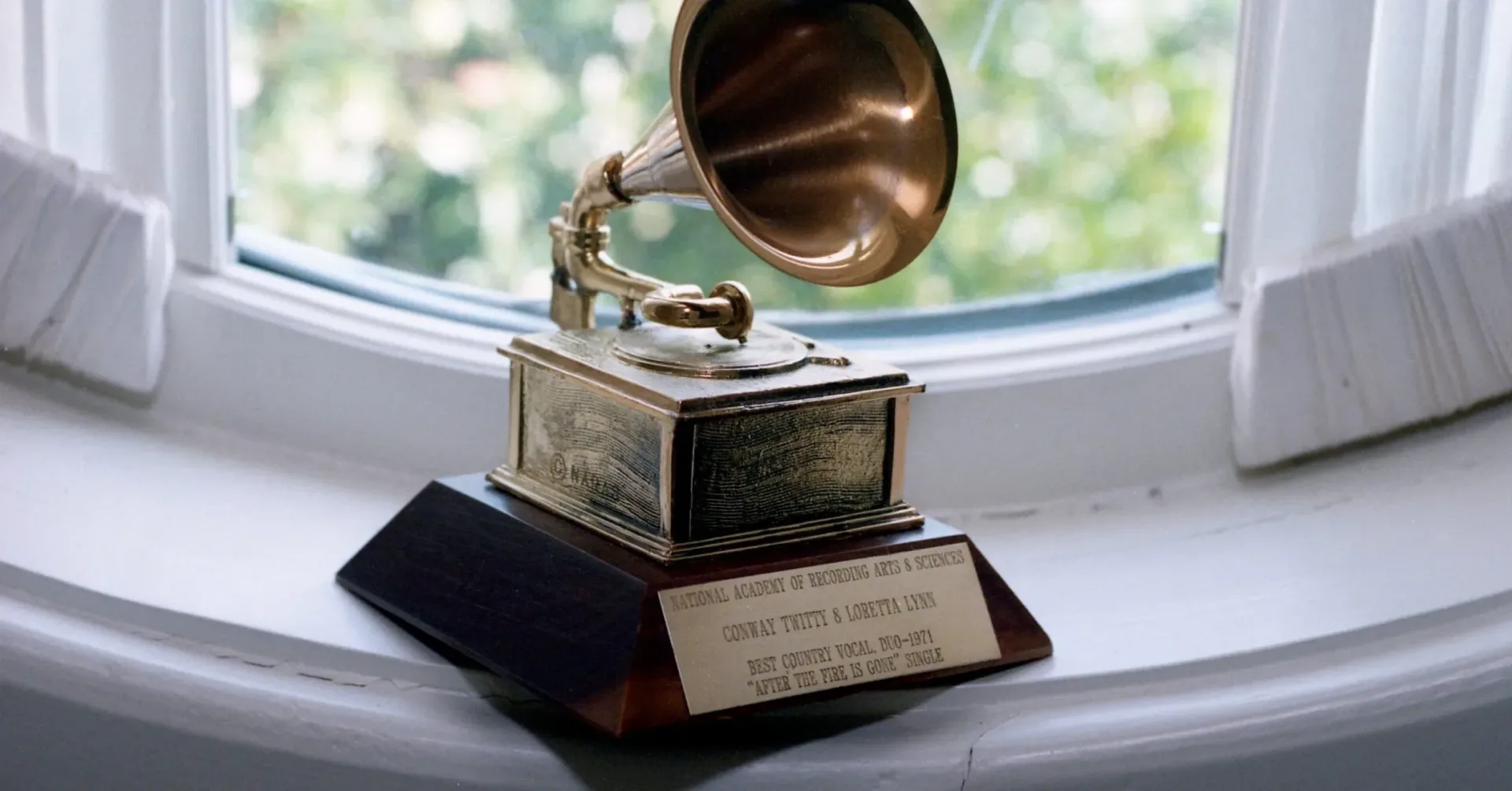
The 2027 Grammy nominations have arrived with a ballot that moves from blockbuster pop albums to orchestral game worlds without treating interactive music like an afterthought. The awards show is scheduled for February 7 at Crypto.com Arena in Los Angeles, and the score category for video games and other interactive media offers one of the clearest snapshots of how broad the ceremony’s music remit has become.
For readers who spend as much time noticing a game’s soundscape as its combat loop, the key category is Best Score Soundtrack for Video Games and Other Interactive Media. This is a composer-focused award: it recognizes the score, meaning the purpose-built instrumental music that supports a game’s setting, movement, tension and story beats, rather than a licensed-song playlist or a song simply used in a trailer.
The five nominated scores are John Paesano’s Avatar: Frontiers of Pandora – From the Ashes, Joe Henson and Alexis Le Smith’s 007: First Light, Toma Otowa’s Ghost of Yōtei, David Fleming’s Marvel’s Wolverine, and Gordy Haab’s Star Wars: Zero Company. The lineup spans an expansion, original game properties and major screen franchises adapted for interactive settings. That makes it an unusually useful category for examining not one narrow musical style, but several demands placed on game composers: sustaining a sense of place, accommodating player-controlled pacing and creating memorable thematic identities.
The five game-score nominees
- Avatar: Frontiers of Pandora – From the Ashes — John Paesano
- 007: First Light — Joe Henson and Alexis Le Smith
- Ghost of Yōtei — Toma Otowa
- Marvel’s Wolverine — David Fleming
- Star Wars: Zero Company — Gordy Haab
The nominations also create a notable overlap elsewhere on the ballot. Otowa’s Ghost of Yōtei (Original Soundtrack) appears in Best Immersive Audio Album, with Eric Schilling credited as immersive mix engineer and Kellogg Boynton, Keith Leary, Peter Scaturro and Herbert Waltl listed as immersive producers. In straightforward terms, immersive audio refers to a mix designed to place elements around a listener in a three-dimensional sound field, rather than restricting everything to conventional left-and-right stereo.
That separate nomination matters because it credits the people responsible for a particular audio presentation, not just the composer. Game music is often discussed solely in terms of melodies or genre influences, but this pairing places attention on another part of the process: how music is mixed and spatially presented. The score category recognizes Otowa’s composition for an interactive work; the immersive category recognizes the technical and production work behind a soundtrack presentation.
Why a score award is different from a soundtrack award
“Soundtrack” can mean several things in entertainment coverage, so the category names are worth reading closely. A score soundtrack concerns composed music written to accompany a work. The Grammy video-game category explicitly includes other interactive media, putting the focus on the composers named beside each nominee.
By contrast, the ballot’s Best Compilation Soundtrack for Visual Media category includes collections associated with The Devil Wears Prada 2, Stranger Things Season 5, Wicked: For Good, The Wizard of Oz at Sphere and Charli xcx’s Wuthering Heights. A compilation soundtrack generally concerns the assembled selection of recordings attached to a visual project. It is not the same thing as the original underscore a composer builds for dramatic scenes or gameplay.
This distinction is particularly useful for games. A licensed track can make a trailer or a radio station instantly memorable, but an original score has to perform more continuously. It may underscore exploration, respond to a player’s arrival in a new space, heighten a fight, or leave enough room for dialogue and environmental sound. The nomination category does not tell us the exact implementation techniques used in each game, and it should not be read as a technical breakdown of the works. It does, however, recognize the music as a major creative component of interactive media.
Franchise names, original settings and a varied creative field
There is no single aesthetic thread visible from the nominee names alone, and that is precisely what makes this group interesting. Avatar: Frontiers of Pandora – From the Ashes, 007: First Light, Marvel’s Wolverine and Star Wars: Zero Company bring the expectations that follow widely known fictional universes. Their composers work in worlds that audiences already associate with specific characters, imagery and, in some cases, long-standing musical traditions.
Ghost of Yōtei, meanwhile, gives Otowa a nomination in the game-score category and a soundtrack credit in immersive audio. It is the ballot’s clearest bridge between composition and the recorded experience of that composition outside the game itself.
None of that establishes a frontrunner; the nominations supply no voting totals, critical scores or winner projections. What they do show is that the field is not being framed as a side exhibit for games that happen to have recognizable titles. The nominated works sit in a program that also recognizes film and television scores by Ludwig Göransson, Jonny Greenwood, Daniel Pemberton and David Fleming. Fleming is therefore listed twice across score categories: for Widow’s Bay in visual media and Marvel’s Wolverine in interactive media.
For audiences, this offers a simple way to approach the category before the ceremony: listen for the identity each composer creates, then consider how that identity might support the project’s particular world. A spy story, a superhero story, science-fiction settings and a historical-action setting do not ask the same emotional questions of music. The nominees are connected by category, not by a claim that every score should pursue the same sound.
The major Grammy races
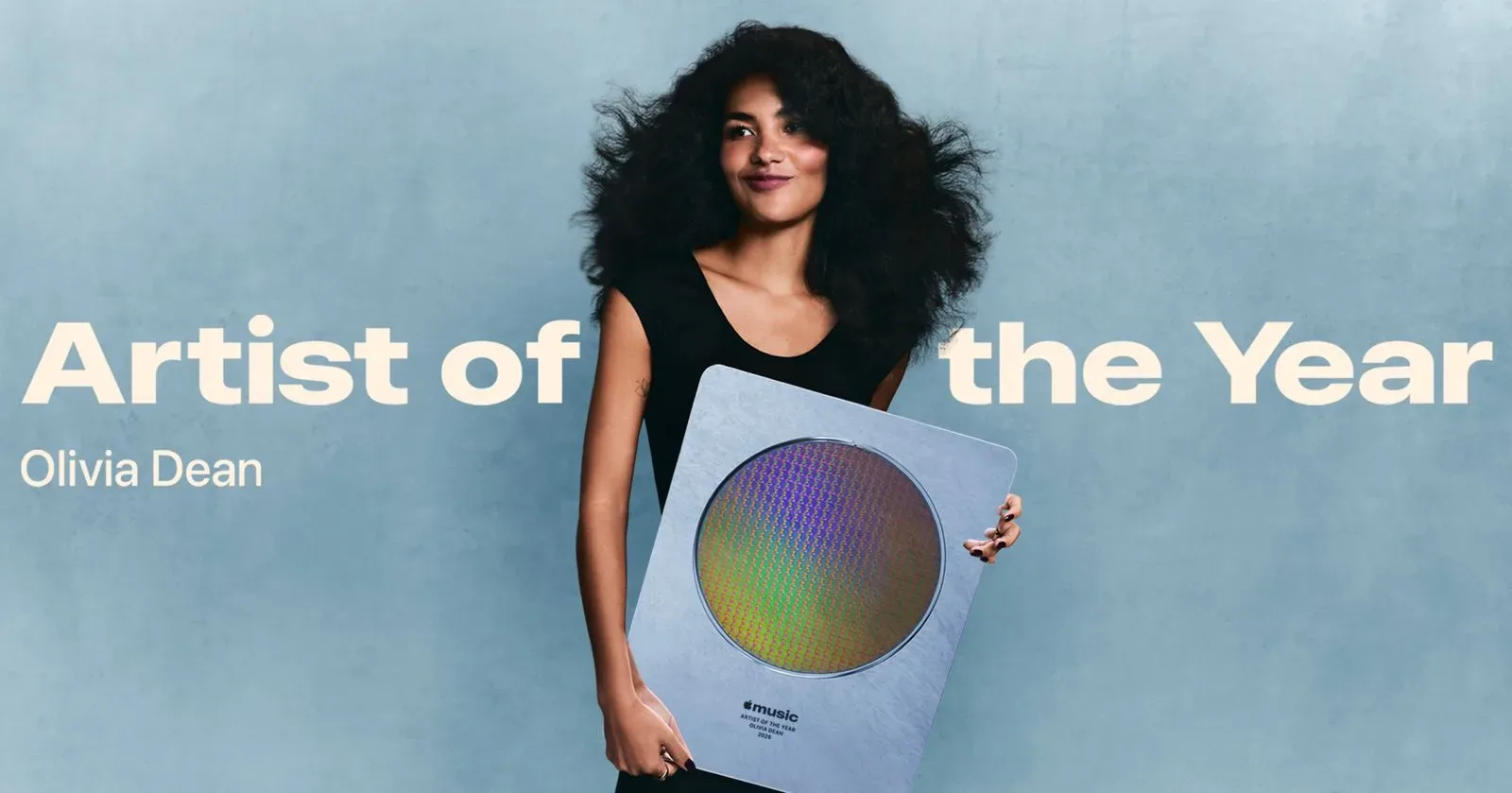
Beyond interactive media, the four general-field categories are loaded with artists who appear repeatedly across the ballot. Record of the Year nominees are Olivia Dean’s “Man I Need,” Ella Langley’s “Choosin’ Texas,” Bruno Mars’ “I Just Might,” Raye’s “Where Is My Husband!,” Olivia Rodrigo’s “The Cure,” Rosalía, Björk and Yves Tumor’s “Berghain,” Taylor Swift’s “The Fate of Ophelia,” and Tame Impala with Jennie’s “Dracula.”
Record of the Year concerns the recorded performance and production of a single, while Song of the Year-style awards on the Grammy ballot are songwriter awards. That credit distinction appears clearly throughout genre categories such as Best Rock Song, Best Rap Song, Best Country Song and Best R&B Song. In other words, a song nomination can spotlight its writers even when the public most readily identifies the work with its performer.
Album of the Year brings together Phoebe Bridgers’ Lost Weekend, Olivia Dean’s The Art of Loving, Ella Langley’s Dandelion, Bruno Mars’ The Romantic, Raye’s This Music May Contain Hope., Olivia Rodrigo’s You Seem Pretty Sad for a Girl So in Love, Rosalía’s Lux (Complete Works) and Taylor Swift’s The Life of a Showgirl.
These are not merely isolated top-category appearances. Dean is also nominated in Best Pop Solo Performance for “Man I Need,” Best Traditional Pop Vocal Performance for “A Couple Minutes,” Best Pop Vocal Album for The Art of Loving, and Best Engineered Album, Non-Classical for the same album. Raye’s nominations span pop, dance-pop, traditional pop, Record of the Year, Album of the Year, Songwriter of the Year, Non-Classical, and the arrangement and music-video fields through “Click Clack Symphony.”
Rosalía appears in Record of the Year, Album of the Year, alternative music, pop solo performance, global music performance, Latin song, music video and engineering categories. That breadth is a reminder that one album cycle can be recognized through performances, writing, recordings, visual work and technical craftsmanship rather than through one all-purpose prize.
Rap, rock, dance and the categories beyond the broadcast spotlight
The rap ballot includes Cardi B, Don Toliver, Busta Rhymes, Rapsody, Wale and Ye in Best Rap Album, while Cardi B’s “ErrTime” and Don Toliver’s “Body” also appear in Best Rap Performance. The genre’s full field is detailed in our look at how Cardi B and Don Toliver lead the 2027 Grammy rap nominations.
Rock and alternative voters have several crossover acts to weigh. Angine de Poitrine is nominated for Best New Artist, Best Rock Performance, Best Rock Album and Best Alternative Music Performance. Phoebe Bridgers lands in Album of the Year, Best Rock Performance, Best Rock Song, Best Alternative Music Performance, Best Alternative Music Album, Best Music Video and an arrangement category. Geese similarly appears in Best New Artist, rock and alternative fields.
The dance/electronic categories show Madonna, Slayyyter, Tame Impala and Tinashe across multiple entries, with Robyn and Skrillex also in Best Dance/Electronic Album. Best Remixed Recording, meanwhile, shifts the award focus toward remixers, naming Fred again.. and Tom Norris, Austin Millz, Stuart Price, Chris Lake, Boys Noize, and David Guetta with Hypaton for their work.
Then there are the categories that make the Grammys substantially larger than a handful of televised trophies: jazz, classical, folk, blues, gospel, global music, children’s music, comedy, historical releases, album notes, recording-package art and engineering. The 2027 roster includes Jon Batiste in jazz and classical fields, Cécile McLorin Salvant across multiple jazz categories, Brian Eno and Beatie Wolfe in new age/ambient/chant, and projects devoted to archival recordings by Bob Dylan, Ma Rainey, Clifton Chenier and Tomasz Stańko.
For game fans, the practical takeaway is that the interactive score category is part of this wide recognition system, not a detached game-industry award. The names on the ballot put composers beside artists and craftspeople working across albums, movies, television, live recordings, archival projects and immersive mixes. When the February 7 ceremony arrives, the biggest headlines will likely concentrate on Record of the Year, Album of the Year and major pop performances. But the game-score race has five projects worth keeping on the watchlist—and Ghost of Yōtei has a second technical-audio nomination that gives its music an additional place on the night’s expansive ballot.