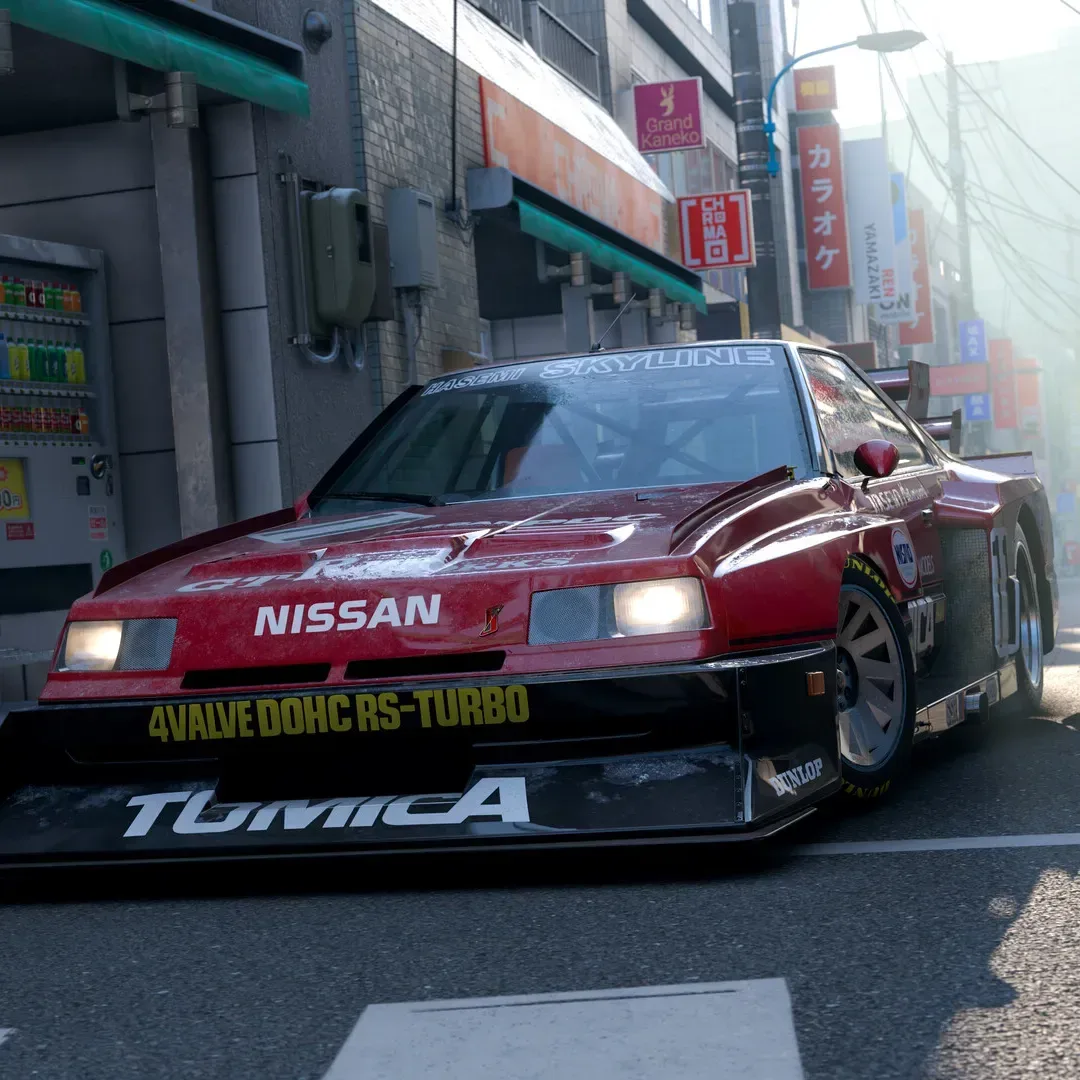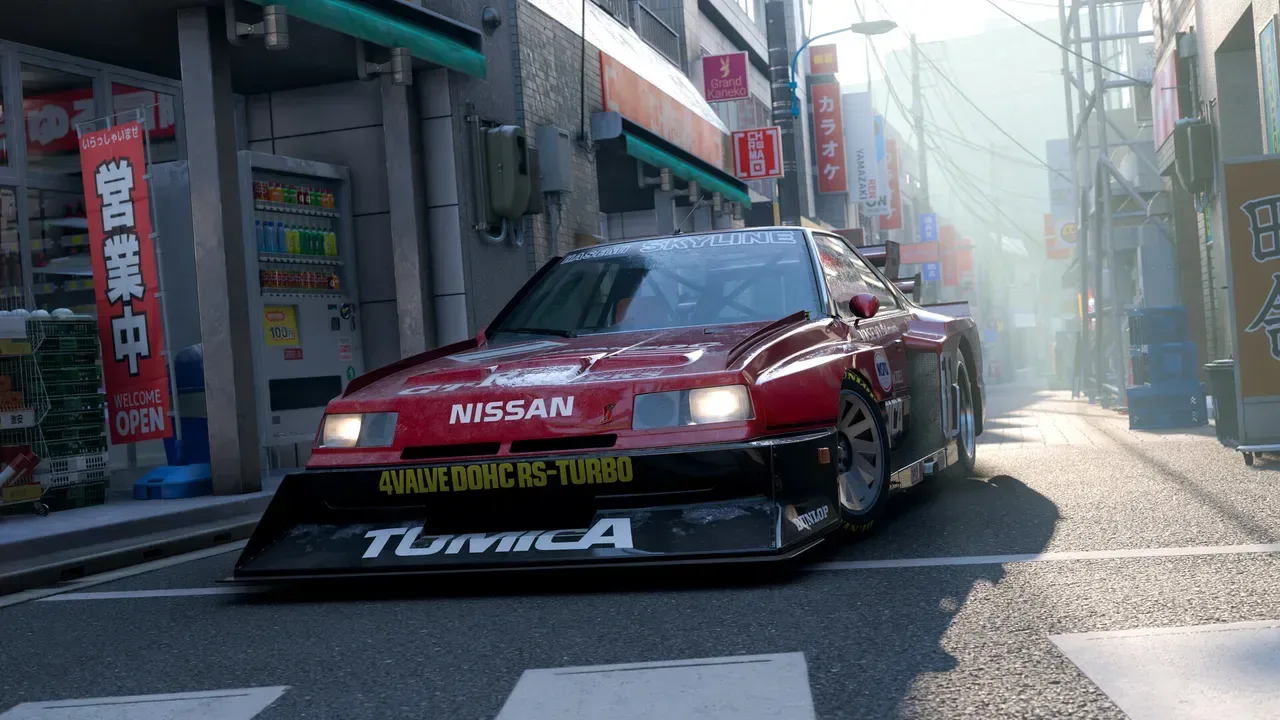
Forza Horizon 6 has clarified that Itasha-style car designs are permitted, while drawing a firm line at explicit sexual material and sexually suggestive imagery. The updated guidance is intended to address a growing dispute around moderation, especially among players sharing anime, manga and game-character liveries in the racer’s Japan setting. Yet the detail that has reassured some players has also produced a fresh objection: many still believe the criteria leave too much to individual interpretation.
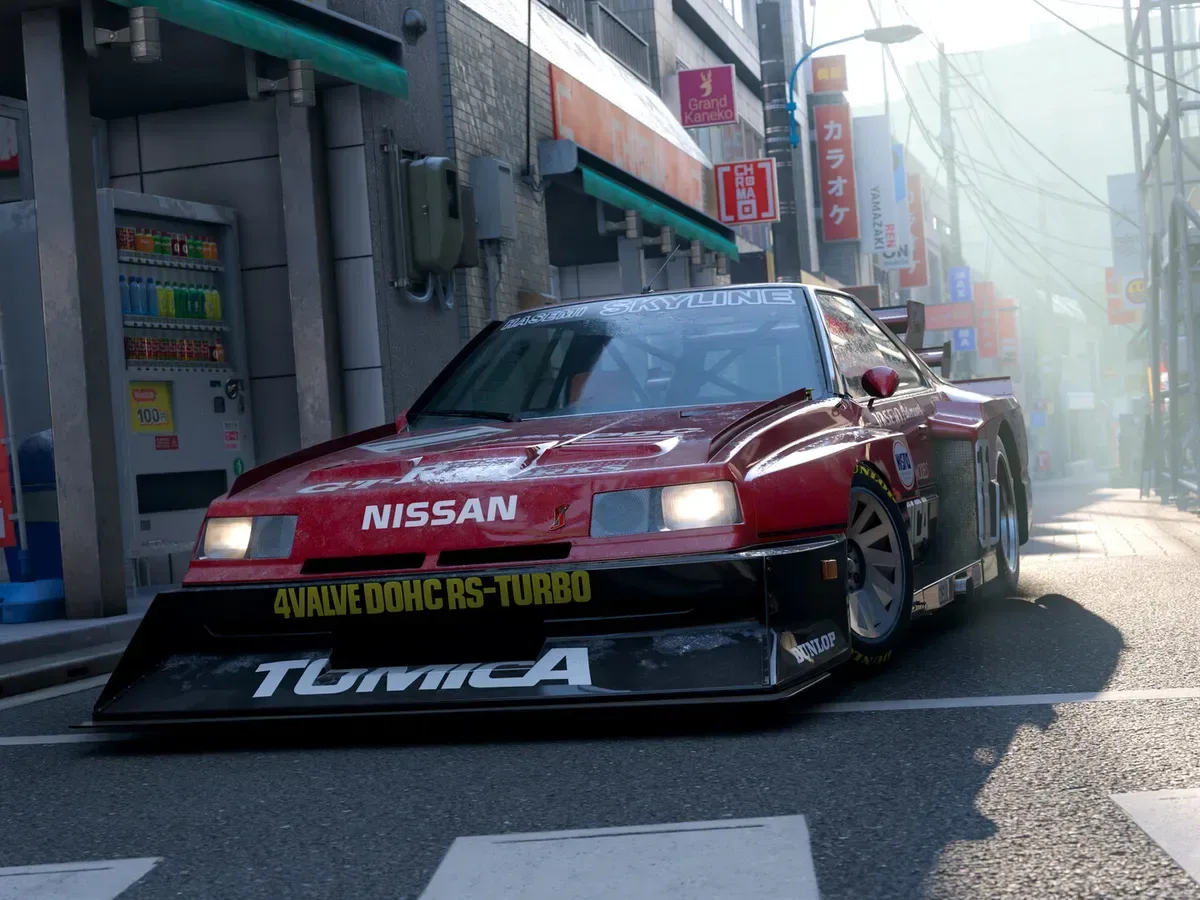
Itasha are boldly decorated vehicles, generally featuring character art from anime, manga or video games. The term literally translates to “painful car,” a self-aware reference to the designs’ deliberately loud, potentially cringe-inducing style. Outside games, the custom-car scene has roots in Japan; inside Forza Horizon 6, the vinyl editor gives players a way to bring that visual culture to digital vehicles.
That overlap is central to the backlash. A game set in a miniature interpretation of Japan initially attracted praise online for its cultural attention and its environment. But a vocal group of players now argues that the moderation system has made sharing character-based liveries feel risky. Negative comments on social platforms and Steam have described bans that they believe disproportionately affect Itasha creators, and the Japanese-language Steam review status has fallen to Mixed amid a rise in reviews that do not recommend the game.
What the updated Forza Horizon 6 rules actually say
The most important point is straightforward: Itasha itself is not prohibited. The policy explicitly permits the style. The restriction concerns the content of a particular design, not the simple fact that it depicts an anime-style character or uses an Itasha layout.
The guidance prohibits explicit sexual content and sexually suggestive content. It identifies several characteristics that can cause an image to be considered suggestive, including provocative poses, associated gestures or facial expressions, and visual emphasis on particular body parts.
That distinction matters. A character livery can be permitted even when it is highly stylized or recognizably tied to anime culture. Conversely, a livery can run afoul of policy if its composition, expression, pose or framing crosses the service’s sexual-content boundary. The policy is therefore about the presentation of the image rather than a blanket ban on the source medium or aesthetic.
In moderation language, sexually suggestive is a broader category than explicit nudity or explicit sexual content. The former can cover implication and visual context, while the latter typically refers to more overt material. That breadth is useful to a platform attempting to protect a broad audience, but it also creates the precise uncertainty players are highlighting: a creator may understand that explicit content is out of bounds while remaining unsure how a moderator will assess a borderline pose, gesture or cropped character image.
Human review, not report-count automation
Turn 10 has also directly addressed two fears circulating in the community: that an automated system makes final enforcement decisions, and that mass reporting can itself determine an outcome.
Related coverage includes Forza Horizon 6 Clarifies Itasha Rules Amid Ongoing Moderation Backlash.
Under the stated process, content reported through the game enters a queue for review by a human moderator. The number of reports does not change either a submission’s priority or its place in that queue. In practical terms, reports are a way to flag material for inspection; they are not presented as votes that can force a ban.
This does not settle every complaint about individual decisions, but it is an important correction to the idea that a large enough reporting campaign can automatically remove a livery or punish its creator. It also means the argument has shifted from whether humans are involved to whether the written standards give those humans sufficiently predictable boundaries.
That concern is familiar across online games with creative tools. A rule needs enough flexibility to cover images that cannot be exhaustively listed in advance. At the same time, creators need enough specificity to confidently decide what not to upload. The updated examples provide more direction than a generic “no inappropriate content” instruction, but they do not function as a complete visual catalogue of allowable or prohibited character art.
For players interested in how other online games are framing human-led enforcement, Joking Joystick has also covered a name-moderation policy that places disputed cases under human review. The contexts differ, but the same basic issue applies: transparency about the review process is helpful, while unclear thresholds can still undermine trust.
Warnings, suspensions and the zero-tolerance line
The potential penalty is another reason the debate has become intense. For a typical violation, the policy says a player is generally warned first. Further violations can lead to progressively longer suspensions. That is a graduated enforcement model: it is meant to give someone notice and a chance to correct their conduct before harsher penalties apply.
There is, however, a separate zero-tolerance category. A permanent ban without prior infractions may be issued when an image contains child sexual content, explicit sexual content, explicit nudity or material otherwise included in the zero-tolerance policy.
The list of extreme violations extends beyond liveries and sexual content. It includes hate speech, credible violent threats, child sexual exploitation or abusive imagery, terrorism or violent-extremism content, and sexual or nude imagery, among other serious offenses.
The distinction between a warning-track infringement and an immediate permanent ban is crucial. A player making a character-themed livery needs to understand not only that a design may be removed, but whether its elements could be interpreted as belonging to the much more serious category. The policy language gives the broad answer: explicit or zero-tolerance content can result in an immediate permanent sanction. It does not provide public examples covering every possible style of character artwork.
Some online comments have alleged that merely keeping a draft design or capturing a screenshot of another player’s prohibited car could trigger a permanent ban. Those are player allegations, not outcomes established by the published guidance described here. The clarification focuses on reported content, human review and prohibited imagery; it does not substantiate those specific screenshot or unused-draft claims.
Why anime-style imagery creates a difficult moderation question
The dispute is not simply about whether a car may feature a fictional character. It is about how a general content policy is applied to an art style where youthfulness, exaggeration and fan-service conventions can be difficult to separate cleanly at a glance.
Character artwork may use stylized proportions, distinctive facial expressions, school-inspired outfits, swimwear or poses that have particular associations within anime and manga fandom. Any of those elements can make a moderation decision more sensitive, particularly where the perceived age of a character is unclear. The available rules do not say that anime art is uniquely targeted; rather, their standards apply to the visual content of a design. But the nature of certain character depictions makes the boundary especially consequential for Itasha makers.
That is why some of the criticism is not resolved by the sentence confirming that Itasha are allowed. Players who favor a more permissive approach may see familiar fan-art poses as a normal part of the style. Moderators may instead see the same image through the policy’s emphasis on suggestive posing, gestures, facial expression or attention to body parts. Neither reaction changes the formal rule, but it illustrates why a category-level green light does not eliminate case-by-case disputes.
Imperial-flag rules are not a new Forza Horizon 6 policy
The conversation has also included objections to the prohibition of Japan’s imperial flag. That restriction is not newly created for Forza Horizon 6. Earlier entries in the series had already prohibited certain iconography, including Nazi imagery and the Confederate flag. In 2020, former Forza creative director Mike Brown discussed how an accurate depiction of Japan’s imperial flag on a car design could result in a ban, while a more abstract expression would not.
The September 24, 2026 guidance repeats the approach to banned iconography. Players may disagree with that policy, but presenting it as a sudden Forza Horizon 6-specific change would miss the franchise’s existing moderation history.
What livery creators can take from the clarification
The safest reading of the updated guidance is not that all character liveries are dangerous. It is that players should treat a livery as a public, shareable piece of user-generated content subject to review. For character-focused designs, the clearest practical risk factors described by the rules are:
- explicit sexual content or nudity;
- provocative poses and associated gestures;
- facial expressions presented in a sexually suggestive context;
- composition that concentrates attention on particular body parts;
- imagery that could fall into the zero-tolerance categories; and
- prohibited iconography, including faithful depictions covered by the policy.
Creators who want to retain the recognizable Itasha look while reducing policy risk have a relatively clear direction from those points: emphasize the vehicle, character identity, logos, color schemes and non-suggestive portraiture rather than imagery whose main visual purpose is sexualized posing or framing. That is an interpretation of the published standards, not a promise that any individual design will be approved.
Forza Horizon 6’s clarification answers two major factual questions: Itasha designs are allowed, and reported content is reviewed by people rather than ranked by report totals. The harder question remains open: whether the examples supplied are concrete enough for a community whose creativity often lives close to subjective cultural and aesthetic boundaries. The game’s positive reception for its Japanese setting gives the dispute extra weight. For many players, the livery editor is not a minor feature; it is part of how they celebrate the car culture the setting evokes.
As a result, the success of the updated rules will likely depend less on the existence of a ban policy than on consistent application, understandable decisions and whether creators come to feel they can predict the line before a car is shared.