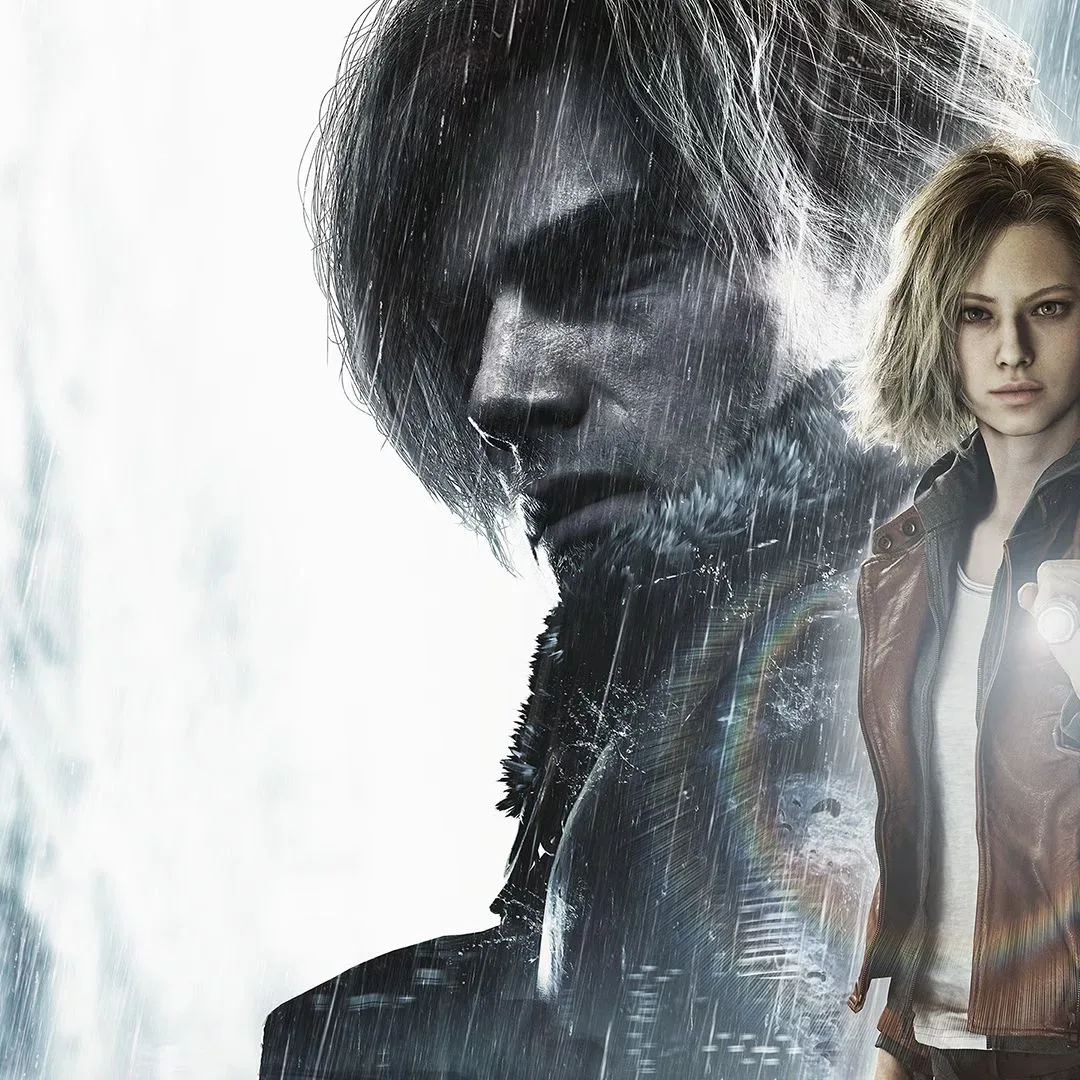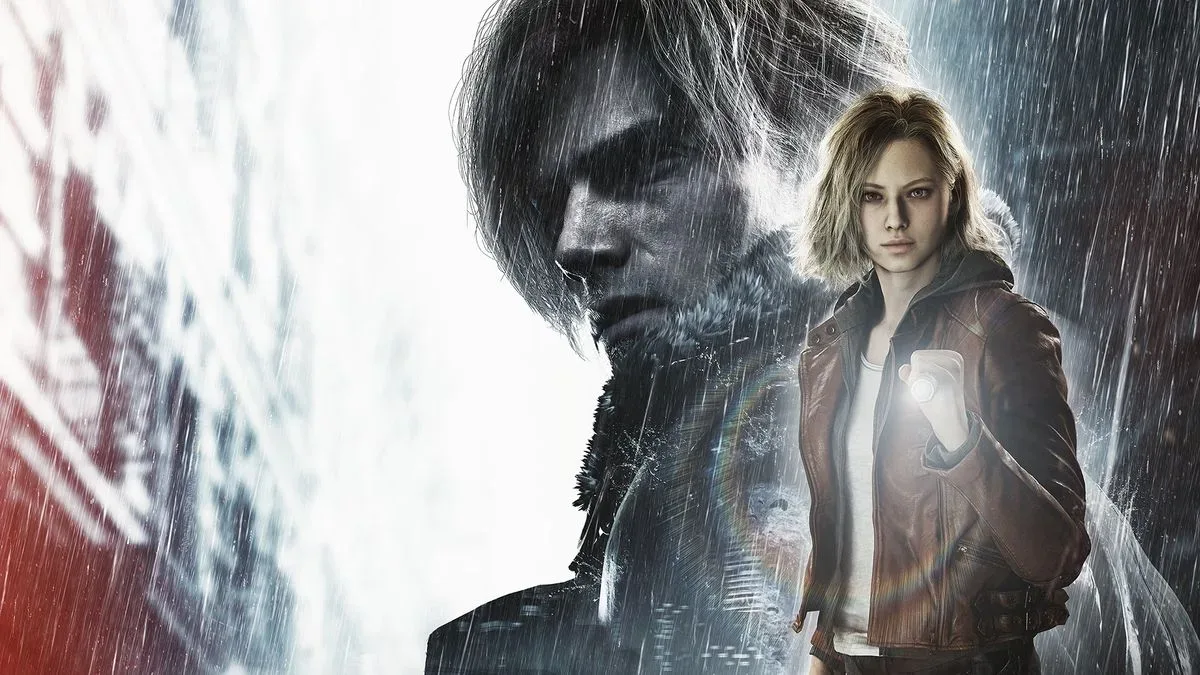

Resident Evil Requiem has won Ultimate Game of the Year at the Golden Joystick Awards 2026, taking the ceremony’s biggest individual prize amid a field of 12 nominees. The honor capped a notably successful night for the survival-horror release, which collected four awards in total.
Alongside Ultimate Game of the Year, Requiem won Console Game of the Year and Best Game Trailer for its Evil Always Has a Name promotional trailer. Angela Sant'Albano, who plays Grace Ashcroft, received Best Lead Performer. Taken together, those results put Requiem at the center of the ceremony—not merely as the winner of its headline award, but as a game recognized across performance, marketing and platform-focused categories.
A crowded Game of the Year field
Ultimate Game of the Year was not a lightly contested category. Requiem prevailed over Crimson Desert, Phantom Blade Zero, 007: First Light, Control Resonant, Pragmata, Star Wars: Galactic Racer, The Blood of Dawnwalker, Big Walk, Dispatch, Forza Horizon 6 and Pokemon Pokopia.
The lineup matters because it spans very different kinds of games and commercial profiles. There were large-scale launches in the mix, prominent franchise entries, newer properties and games described as surprise successes. A broad ballot does not make an award an objective measurement of quality—no awards program can settle that question—but it does establish the kind of competition Requiem cleared to earn the final distinction.
“Game of the Year” is also a category name that can obscure how much work a result like this represents. It is one final accolade, not a literal verdict that every player will prefer the winner to every other nominated game. In practice, the award signifies that a title had enough support to outlast a slate of peers during a particular awards cycle. For Requiem, it adds a high-profile endorsement to a year in which it had already remained present in wider Game of the Year discussion.
Four awards, and an unusual tie at the top
Requiem’s four wins were matched by Meccha Chameleon, the hide-and-seek game that secured two player-voted and two jury-voted awards. That tie makes the night more interesting than a simple tally suggests: the ceremony’s top overall honor went to Resident Evil Requiem, while another very different game reached the same four-award total through a combination of audience and jury recognition.
The distinction between player-voted and jury-voted awards is worth keeping clear. A player-voted category reflects votes cast by the participating audience. A jury-voted category is determined by a selected panel. Both are awards, but they measure different forms of support and use different decision processes. A total number of trophies therefore offers only a partial picture; it cannot tell readers whether each prize came from the same voting body or represented the same kind of category.
There is a further wrinkle in any attempt to crown a single numerical winner for the ceremony. Capcom also shared a Studio of the Year award with the teams behind Pragmata and Onimusha: Way of the Sword. It is reasonable to view that honor as additional recognition for Capcom’s wider output, but less straightforward to add it as a full extra Resident Evil Requiem award. The shared nature of the category is precisely why Requiem’s cleanest tally remains four direct wins, even if the larger Capcom result strengthens the sense of a big night around the publisher and its games.
Related coverage includes Resident Evil Requiem and Meccha Chameleon Share Golden Joystick Awards Spotlight.
What each Requiem award recognizes
- Ultimate Game of the Year: The ceremony’s principal overall game award.
- Console Game of the Year: Recognition within a platform-focused category.
- Best Game Trailer: An award for the Evil Always Has a Name trailer, recognizing how the game was presented before or around its release.
- Best Lead Performer: An individual acting award for Angela Sant'Albano’s work as Grace Ashcroft.
These categories point at separate components of how a game reaches players. The top award is the broadest acknowledgement. The console award focuses on its standing among games in that platform space. Trailer recognition is about a promotional asset rather than the full interactive work, while the lead-performer category singles out an actor’s contribution to a character and the game’s dramatic identity.
That breadth is significant for a horror game. Awards attention can concentrate in one lane: a title may be praised mostly for direction, technical craft, performance or sheer popularity. Requiem instead earned a spread of honors that includes the game itself, a leading performance and its campaign material. It does not prove unanimous agreement on every element, but it indicates that Requiem’s awards run was not confined to a single specialty category.
Why the trailer and performance wins are meaningful
The Best Game Trailer win for Evil Always Has a Name recognizes an element that is often easy to treat as separate from a game’s reception. Trailers do not demonstrate every aspect of a finished release, and an excellent trailer is not automatically proof of an excellent game. Still, trailers set expectations, establish mood and give audiences an early vocabulary for discussing a project. In a horror series, that presentation can be especially important: rhythm, menace, imagery and the suggestion of danger are central to selling the intended tone before players have control of the action.
Sant'Albano’s Best Lead Performer win puts Grace Ashcroft at the awards night’s narrative forefront. A lead-performance category is not simply a prize for dialogue delivery. In games, a lead actor’s work often has to function across long stretches of story, scenes of vulnerability or intensity, and the shifting demands of an interactive structure. The award identifies Sant'Albano’s contribution as one of the year’s standout performances, while the Ultimate Game of the Year result places that work inside a title that succeeded at the broadest level of the ceremony.
It is important, however, not to overextend what the result proves. The supplied award outcomes identify winners and categories, but they do not disclose vote margins, detailed judging notes or the precise reasons individual voters favored one nominee over another. The clearest reading is also the most useful one: Requiem won, Sant'Albano won, and the trailer won. Claims about a decisive margin or a specific single feature that clinched the award would go beyond the available record.
Requiem’s place in the 2026 awards conversation
Resident Evil Requiem launched in February and remained a Game of the Year contender through the end-of-year awards period. That timing is relevant because awards shows can sometimes be influenced by recency bias: the tendency for more recent releases to be especially vivid in voters’ minds when selections are made. Recency bias is not an accusation of bad faith and it does not mean late releases are undeserving. It describes a practical challenge in comparing games experienced months apart.
Requiem’s Ultimate Game of the Year victory suggests that its standing held over a long period rather than depending only on being the newest title in the room. Early assessments characterized it as a work that draws on the Resident Evil series’ defining ideas, combining terror with moments of wonder. The Golden Joystick result does not replace critical interpretation, nor does it provide a technical breakdown of the game’s design. It does show that the game’s position in the year’s conversation endured despite its February release date.
The next major Game of the Year contests may look different. Grand Theft Auto 6 sits on the horizon and could alter the competitive landscape for future awards. That possibility does not reduce the significance of Requiem’s achievement now; it simply illustrates why a full sweep of every large annual prize is difficult even for a game with a major early victory. Awards seasons are shaped by eligibility, release schedules, category rules and the changing mix of releases entering contention. For more on its absence from this ceremony’s field, see why GTA 6 was missing from the 2026 Golden Joystick Awards.
What the result means—and what it does not
For players deciding what to play, an Ultimate Game of the Year win is a valuable signal, not a substitute for personal taste. The label tells prospective players that Requiem was selected from a substantial group of nominated games and that it also took honors in several adjacent areas. It cannot tell an individual whether they enjoy survival horror, whether they prefer the tone of this Resident Evil entry, or whether a particular nominee better matches what they want from a game.
For Capcom, the result is part of a wider night that included shared Studio of the Year recognition with Pragmata and Onimusha: Way of the Sword. That shared award should be read as an acknowledgment of a broader slate rather than treated as a fifth standalone Requiem trophy. But it reinforces the visibility of Capcom’s games at the event, with Requiem providing the largest single headline through Ultimate Game of the Year.
Most simply, the 2026 Golden Joystick Awards produced two stories at once. Meccha Chameleon matched Resident Evil Requiem’s four-award count through player and jury victories, an impressive achievement for a game with a markedly different premise. Resident Evil Requiem, meanwhile, secured the ceremony’s most prominent individual honor and added it to awards for console game, trailer and lead performance. In an evening with no shortage of contenders, that is a clear and substantial result for Grace Ashcroft, Angela Sant'Albano and the latest Resident Evil release.