Nippon Ichi Software CEO Kenzo Saruhashi says the company is talking with Sony about the planned end of physical PlayStation game-disc manufacturing, and that those conversations leave room for the situation to change. The comments matter especially for Nippon Ichi and its subsidiary NIS America, whose physical limited editions are an important part of their business rather than a decorative extra.
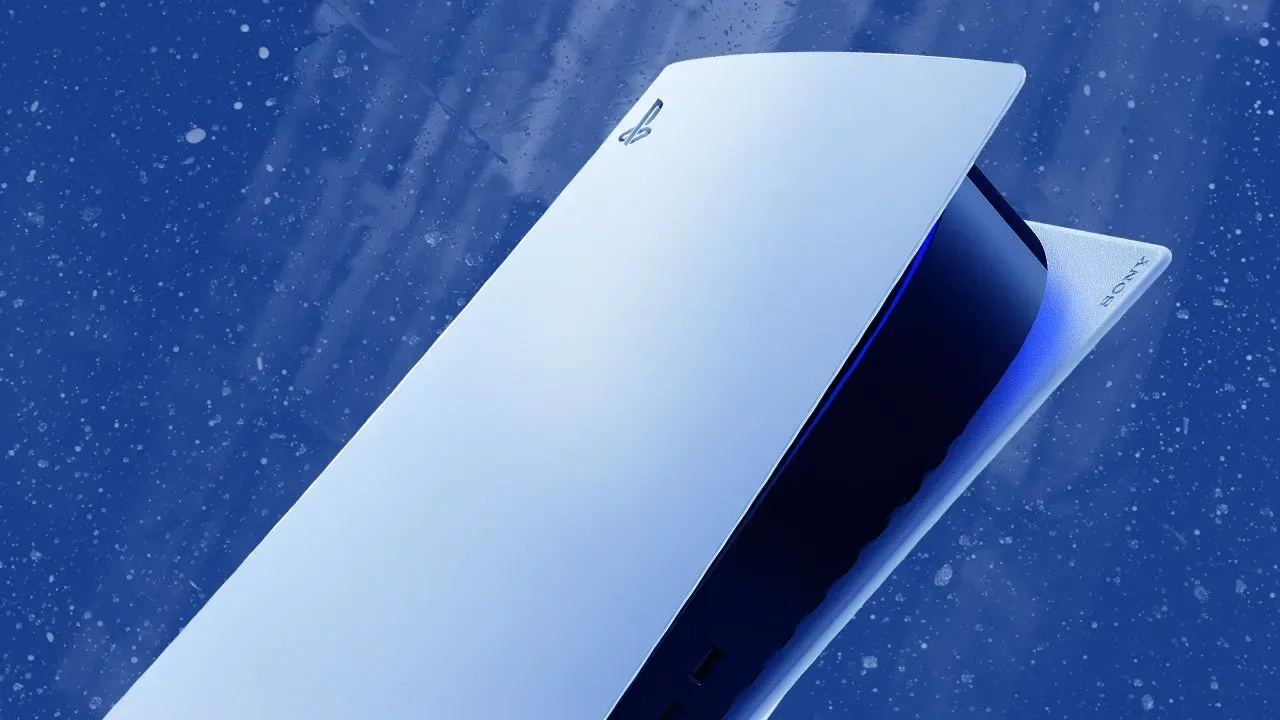
Sony’s stated plan is to discontinue manufacturing physical game discs beginning in 2028. Saruhashi did not claim to know what other publishers intend to do, nor did he present a settled replacement for discs. Instead, he described an ongoing discussion in which Sony appears to be receiving substantial customer feedback.
“In our discussions with Sony so far, I think that they’re hearing a lot of the feedback from customers,” Saruhashi said, while adding that a code-in-a-box approach remains one possible outcome rather than a confirmed one.
The key distinction is between a publisher’s desire to keep selling a special physical product and the platform holder’s control over the manufacturing route for the software disc inside it. NIS America can continue wanting to create elaborate collector-oriented packages, but the availability and format of the playable game component depend on what Sony ultimately permits after its planned manufacturing change.
Why discs are central to Nippon Ichi’s limited editions
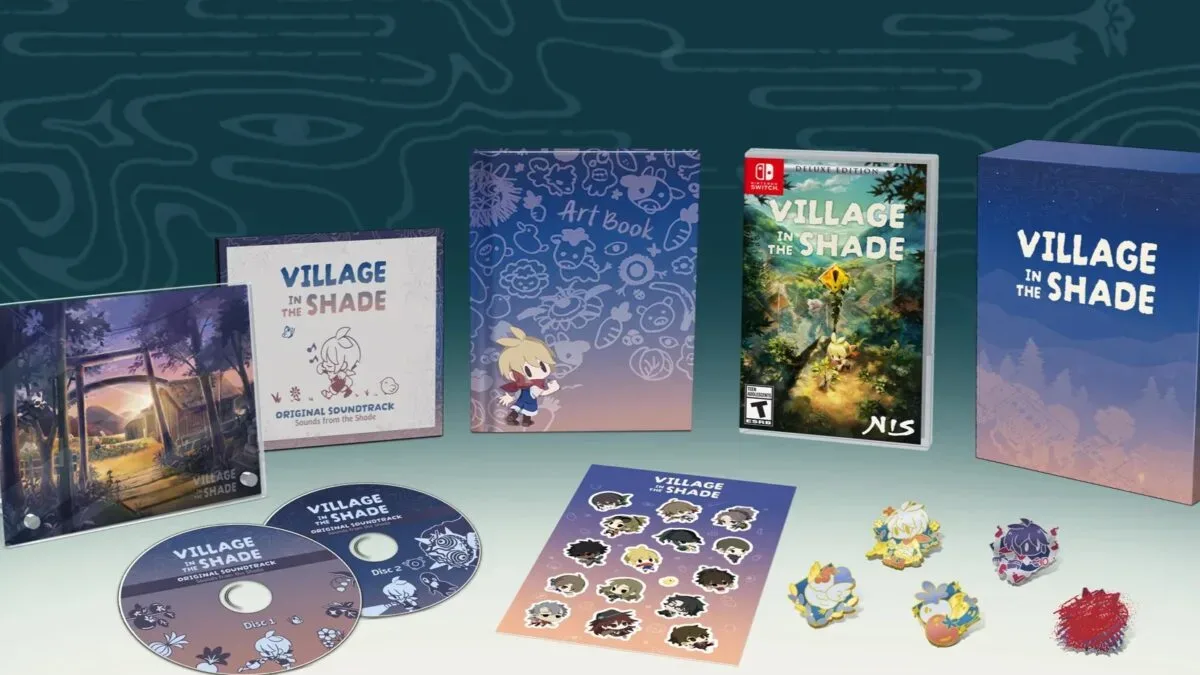
Nippon Ichi Software and NIS America regularly issue both standard physical releases and larger limited-edition boxes containing a game disc alongside additional items. For a company with that model, a disc is not merely one more way to deliver the game. It is part of the product proposition: buyers expect a tangible game release, and the packaging and included goods are built around that expectation.
A limited edition in this context is a specially packaged version of a game that includes extra physical items beyond the base release. The supplied details do not identify the contents of any specific upcoming edition, so it would be premature to assume that every future package would use the same components or follow the same format. What is clear is that physical editions are a significant business focus for NIS America, and Saruhashi said the company intends to continue making them at the quality customers expect.
That commitment does not automatically answer the hard question: what does “physical” mean if a PlayStation disc is no longer manufactured? A box with a redemption code can still be bought, displayed and preserved. It can still contain non-game extras. But it is materially different from a package that includes a disc. For publishers whose audience specifically values a complete physical release, that difference is likely to be consequential.
Code in a box is possible, not confirmed
Saruhashi acknowledged that a code-in-a-box format could be one destination. Put simply, this means a physical retail package contains a code that the buyer redeems digitally, rather than a disc that carries the game software. The box remains a real-world item, while the game access is delivered through a digital account and download process.
Related coverage includes Nippon Ichi CEO Says Sony Is Hearing Feedback on the Future of Physical PlayStation Discs.
It is important not to treat that possibility as a confirmed plan for Nippon Ichi, NIS America or Sony. Saruhashi’s point was narrower: talks may evolve, and a code-based package is not necessarily the only outcome. No final policy, exception, manufacturing arrangement or timetable for limited-edition releases was detailed.
The company has also experimented with game key cards on Switch 2, a route that has not proved popular with its audience. That experience helps explain why the PlayStation question cannot be reduced to simply putting a digital entitlement into a premium box. Buyers can react differently to formats that change how software is accessed, even when the outer package and collectibles remain physical.
What Sony feedback could mean — and what it does not yet prove
Saruhashi’s comments provide a modest but meaningful indication that the issue is not closed from the perspective of affected publishers. He says Sony is hearing customer feedback. Separately, PlayStation has reportedly circulated developer surveys that ask about the ways developers sell physical games. Those signals suggest the company is gathering information and engaging with concerns.
They do not, on their own, establish that Sony will reverse the 2028 manufacturing plan. Nor do they confirm a carve-out for smaller publishers, a continuing disc line for premium releases, or any other specific compromise. The evidence supports uncertainty and ongoing discussion—not a promise that physical PlayStation discs will remain available after the planned change.
One potential middle ground, based on the needs described by Saruhashi, would be an arrangement that lets certain publishers produce a limited volume of discs for special editions. That remains analysis, not an announced policy. It would address the particular problem faced by publishers that rely on limited physical packages without necessarily restoring broad disc manufacturing. But until Sony publishes a new plan, it should be considered only one possible path.
Practical implications for publishers and players
For publishers, a move away from discs would force decisions about product design, customer expectations and how prominently to position a download code. A conventional retail release and a premium package might need to be treated as different products rather than variations of the same one. The publisher may still be able to offer a boxed edition, but its appeal could depend more heavily on the included physical goods if the game itself is redeemed digitally.
For players, the distinction affects what is being purchased. A disc-based package includes a physical game medium. A code-based package includes a physical package and digital access. Neither description inherently determines whether one is better for every buyer, but they are not interchangeable. People who prioritize boxed presentation may be satisfied with either; people who specifically want a disc may not be.
This is also a business issue beyond one publisher. Saruhashi explicitly framed physical limited editions as an important part of Nippon Ichi and NIS America’s model. The 2028 plan therefore bears directly on how a company known for special physical releases can serve its audience. The pressure is not simply about nostalgia for discs. It concerns a current product category that publishers build, customers purchase and companies use as part of their release strategy.
A wait-and-see moment, not a policy reversal
For now, the most accurate reading is cautious. Nippon Ichi intends to keep producing physical editions, while Sony’s planned end to physical-disc manufacturing creates a major unresolved question about their future form. Saruhashi sees evidence that customer feedback is being heard, but he has not presented a final answer.
That uncertainty makes forthcoming details from Sony especially important. Any clarification on whether limited runs, specialty releases or alternative manufacturing options will exist could materially affect companies such as NIS America and the buyers who support their premium packages. Until then, code-in-a-box remains a possibility, not a settled destination.
Saruhashi’s comments arrive as Nippon Ichi navigates other industry questions as well; he has separately cautioned that AI research does not automatically mean faster game development. Read more on his view of AI and development speed.