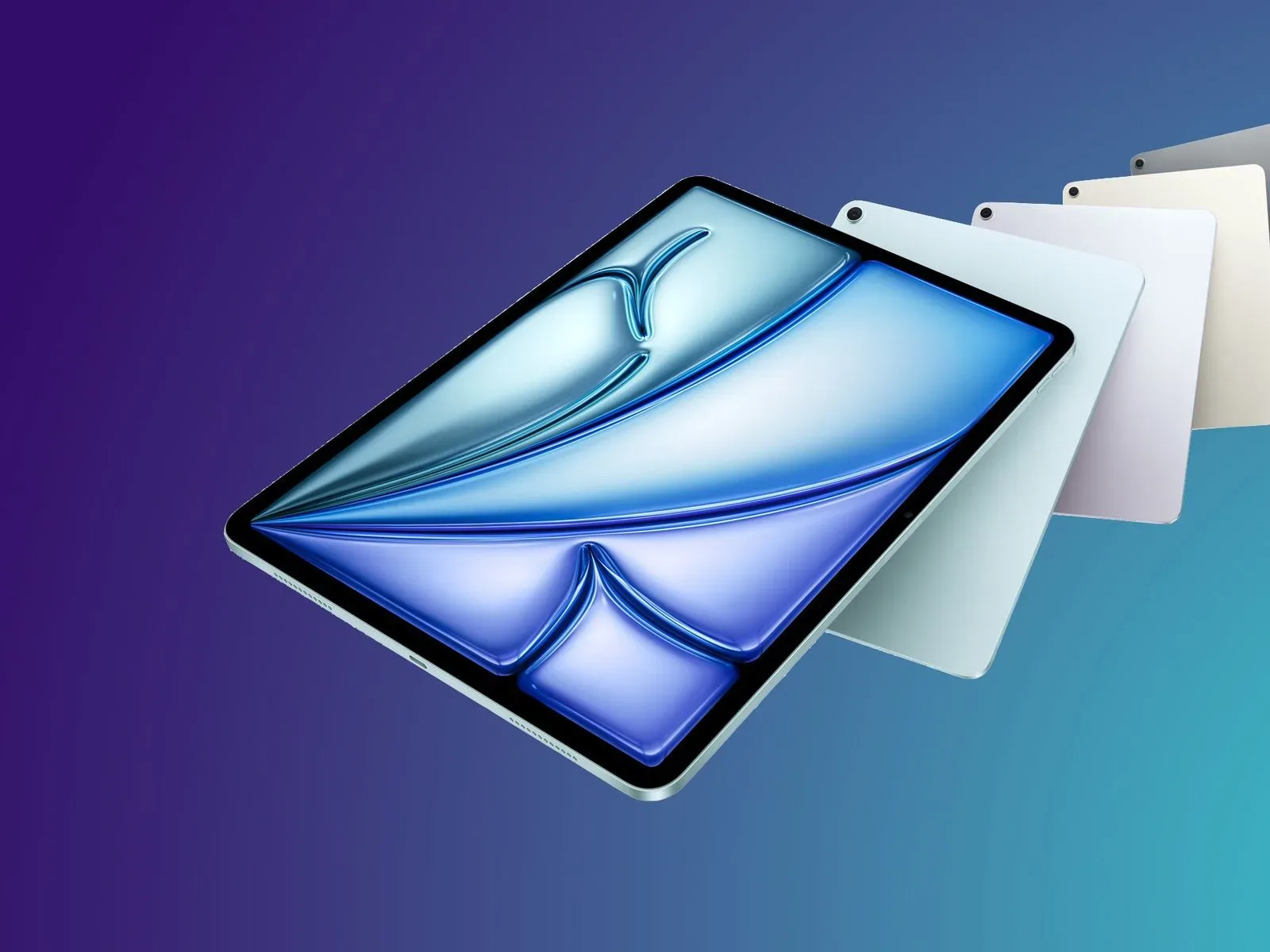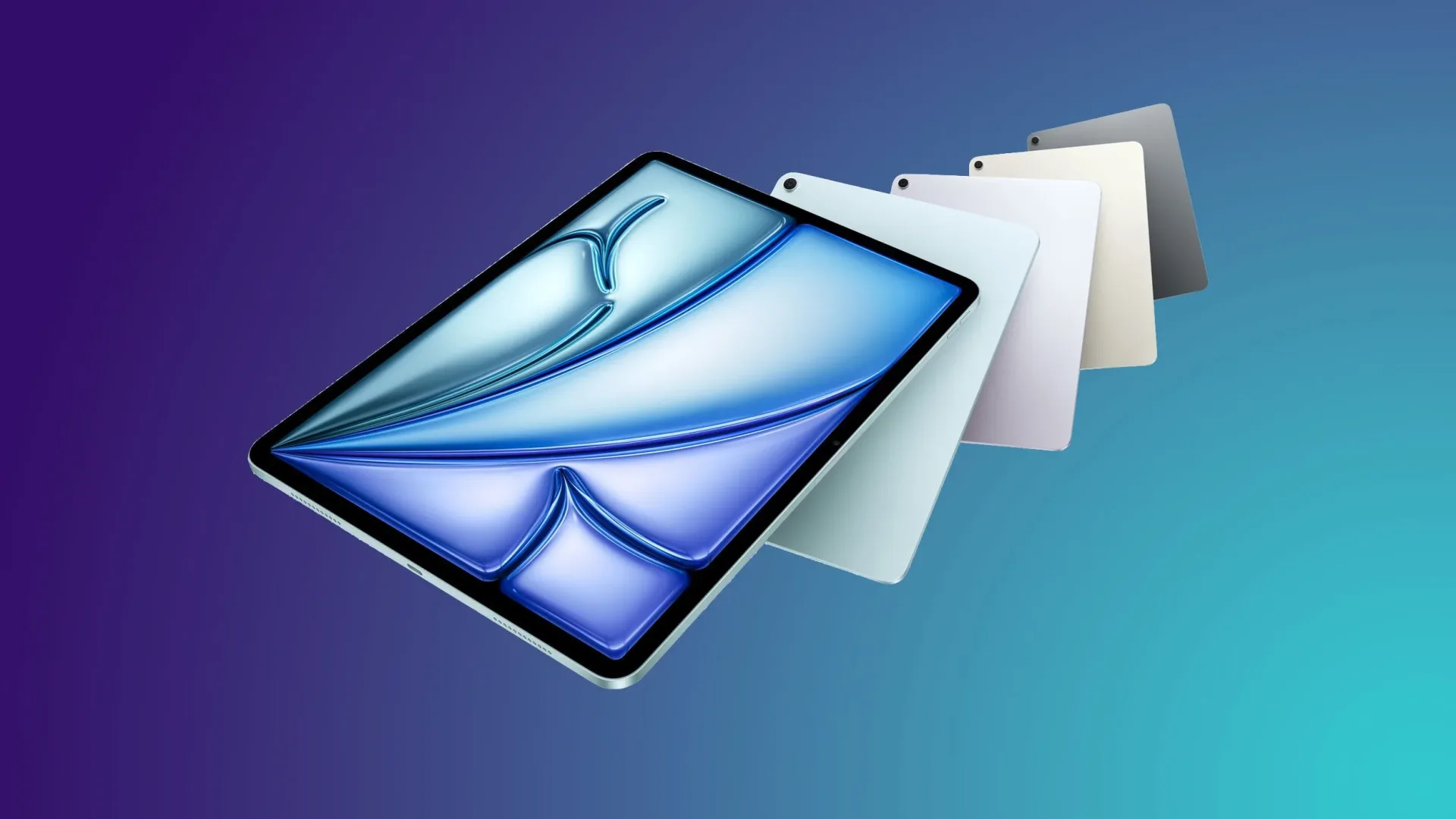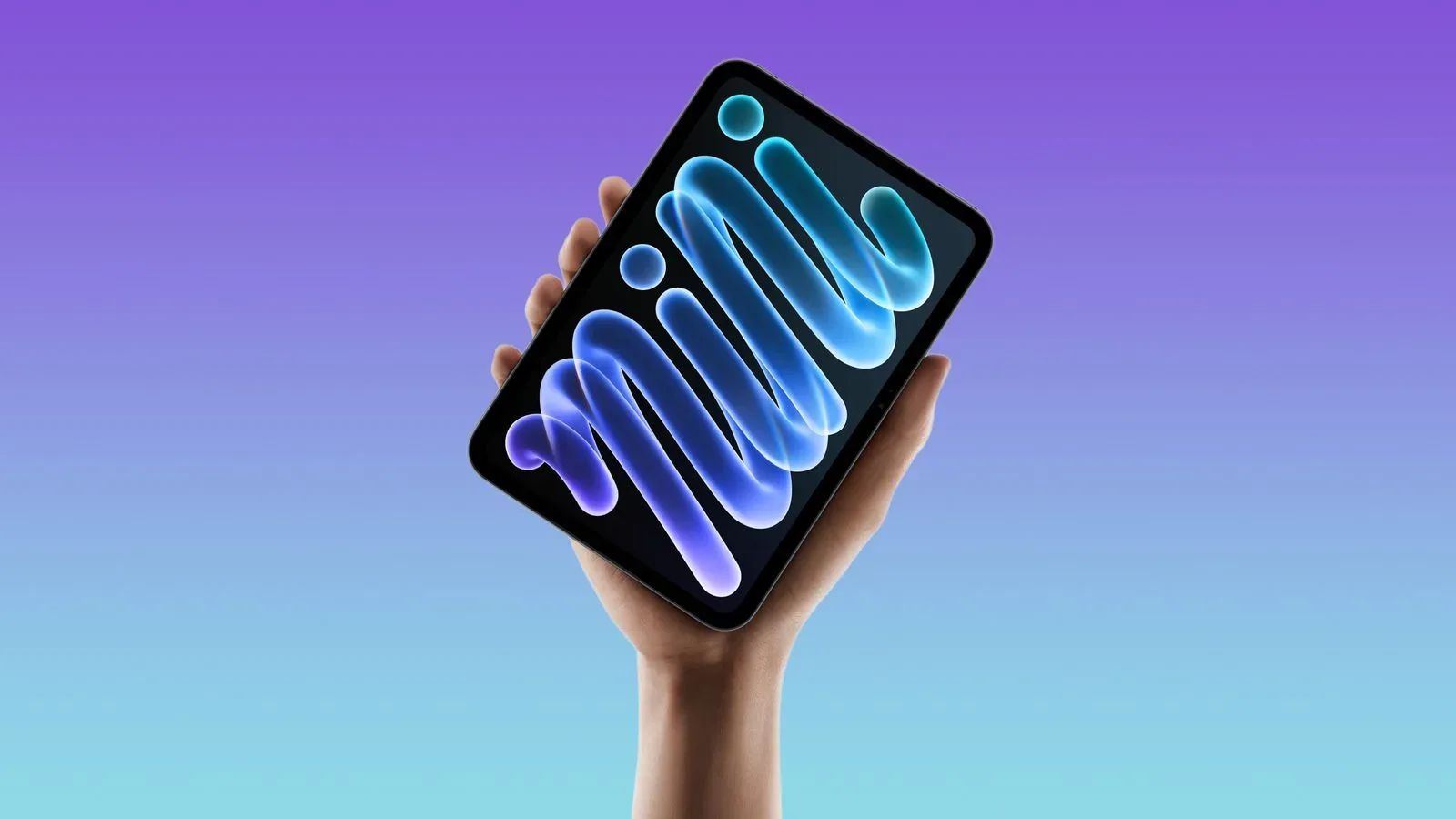
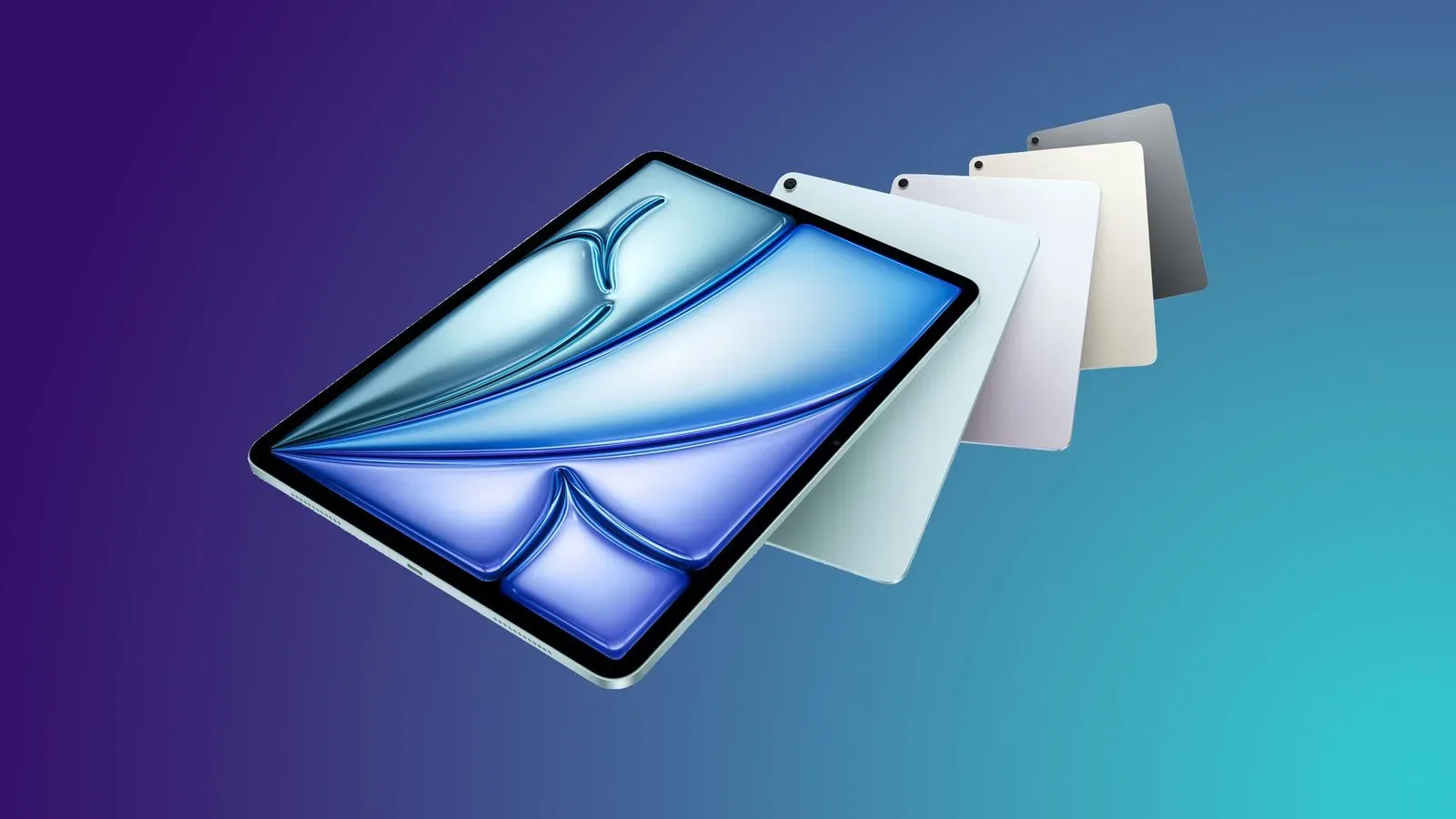
Apple’s iPad Air may be the next tablet in line for an OLED display upgrade. Current reporting points to two OLED iPad Air sizes arriving in the first half of 2027, replacing the LCD panels used by both current M4 iPad Air models. It would be a substantial screen change for the middle tier of Apple’s tablet range, but the reported technical details also suggest a deliberate limit: the Air is expected to remain at 60Hz rather than receive the iPad Pro’s variable-refresh ProMotion display.
That distinction matters. OLED can be a meaningful visual upgrade on its own, particularly because each pixel produces its own light and can turn off completely for black areas of an image. Yet refresh rate affects a different part of the experience: how often the screen updates each second. An OLED iPad Air at 60Hz could offer deeper blacks and stronger contrast than the existing LCD model while still making the iPad Pro the choice for people who specifically want smoother motion and more flexible refresh behavior.
What is reportedly changing
The proposed 2027 move would put OLED screens in both iPad Air sizes, not merely one premium configuration. Apple already introduced OLED to the iPad Pro line in 2024, and the 8.5-inch iPad mini went on sale on November 6 with the technology. An OLED iPad Air would therefore make the Air Apple’s third iPad family to adopt the panel type.
For prospective buyers, the important caveat is timing. This is a report about plans and supply expectations, not a product announcement. The first half of 2027 window has been repeated in recent reporting, but a date, final specifications, names, and pricing have not been confirmed by Apple. Anyone choosing between an available iPad Air and a future model should treat the OLED version as an unannounced device rather than a guaranteed purchase option.
Still, the direction is easy to read. Display technology has become one of the clearest ways to separate iPad models. Moving the Air from LCD to OLED would improve its position for video, art with high-contrast imagery, dark-interface use, and games that make strong use of shadow and color. Keeping a higher-end OLED architecture and faster refresh system for the Pro would retain an equally clear reason for that line to exist.
OLED does not automatically mean the same screen as the iPad Pro
The reported iPad Air panel is expected to use a single-stack OLED design, matching the iPad mini. The iPad Pro uses a two-stack, or tandem, OLED design. In simple terms, an OLED stack is a set of light-emitting layers in the display. A two-stack arrangement uses two such light-emitting stacks to increase brightness. That makes it a more advanced approach than the single-stack design reportedly planned for the Air.
So while “OLED iPad Air” would be an important shorthand, it should not be read as “iPad Pro screen at an Air price.” The available evidence instead points to Apple applying OLED across more of its range with different implementations for different tiers. The Air could gain the inherent contrast characteristics of OLED without inheriting every display capability of the Pro.
The other reported difference is the display backplane. The iPad Air is expected to use LTPS, short for low-temperature polycrystalline silicon. The iPad Pro uses LTPO, or low-temperature polycrystalline oxide. A backplane is the transistor layer that controls the pixels. It is not the part of the screen consumers ordinarily see, but it has a direct role in power use and refresh-rate behavior.
LTPO’s oxide transistors can retain their charge for longer between refreshes. When an image is static, that can let a display update less frequently and use less power. In the iPad Pro, this supports ProMotion, which can shift refresh rate from 10Hz to 120Hz. A 10Hz update rate is useful when very little is changing onscreen; 120Hz is useful when motion is rapid. Matching the display’s activity to what is actually happening can improve efficiency without treating every moment as if it were a fast-scrolling page or a game camera sweep.
The reported iPad Air, by contrast, is expected to remain at 60Hz. That means its display would update 60 times per second rather than dynamically stretching up to 120 times per second. It is not a new standard, nor is it inherently inadequate: 60Hz remains the baseline experience for many tablets, phones, games, and video formats. But it is a visible limitation beside a 120Hz device during interface scrolling, fast pointer movement, animation, and games capable of rendering at higher frame rates.
Why the 60Hz detail matters to players
For gaming, OLED and refresh rate solve different problems. OLED’s pixel-level lighting can make dark scenes look more convincing because black pixels can be switched off rather than illuminated through a traditional LCD backlight. This is particularly relevant to games with night environments, space settings, horror lighting, and high-contrast menus. It can also make bright colors appear more distinct against darker backgrounds.
Refresh rate is more about motion. A 120Hz screen has the capacity to show more unique frames per second than a 60Hz panel when the game, operating system, and hardware all support it. That can make movement look smoother and reduce the persistence of individual frames. It does not make every game run at 120 frames per second; game performance still depends on the software and the device’s processing resources. But a 60Hz ceiling means the display cannot show more than 60 updates per second even where higher-frame-rate output might otherwise be available.
For the iPad Air, the apparent strategy is straightforward: offer a better image while reserving the highest-motion display experience for iPad Pro buyers. That is a practical segmentation decision, not just a specification-table quirk. The Pro’s tandem OLED, LTPO backplane, and 10Hz-to-120Hz ProMotion range would remain a combined package that the Air does not match.
It also means that a buyer should avoid reducing the decision to one word. “OLED” is an important word, but it is not a complete comparison. Someone who primarily watches video or plays titles where contrast is the bigger priority may find an OLED Air compelling. Someone who notices the difference in scrolling and prioritizes the smoothest possible game presentation would have reason to look toward the Pro, assuming the report proves accurate and the eventual products retain these distinctions.
A supply-chain picture with a few unresolved pieces
Samsung Display is expected to provide most OLED panels for the iPad Air. BOE is seeking orders for one of the two iPad Air sizes but reportedly still needs to qualify as a supplier. That qualification point is worth noting because it means the final panel split is not settled in the information currently available.
Samsung’s potential role extends beyond the Air. With iPad Air and iPad mini orders, it could become Apple’s largest OLED iPad-panel supplier overall. LG Display is expected to retain the leading position for iPad Pro panels. These distinctions do not tell consumers which individual display will be better; they describe how production could be distributed across the iPad range and reinforce that Apple’s OLED transition is being handled as several separate product programs, rather than as one uniform panel strategy.
The projected volumes offer another clue about the company’s apparent market expectations. Industry estimates put 2027 shipments at 4 million to 5 million units apiece for the iPad Air and iPad mini, while iPad Pro shipments are estimated at 3 million to 4 million units. The Air and Pro figures each cover their respective two-size lineups.
Those estimates should not be confused with sales results or official forecasts. They are industry projections. They do, however, sketch an interesting hierarchy: a refreshed Air equipped with OLED is expected to operate at a higher volume than the Pro line. The iPad Pro estimate is also far below a reported pre-launch objective of roughly 10 million units annually, with price cited as a factor in softer demand.
That reported gap helps explain why an OLED iPad Air could be strategically important. If OLED remains too expensive or too feature-rich to be a mass-market Pro proposition alone, moving a more restrained version into the Air could broaden the technology’s reach. The Air is still positioned below the Pro through the reported screen choices, but it could inherit enough of OLED’s benefits to become a stronger all-purpose tablet option.
What not to assume from this report
- Do not assume an early-2027 launch is official. The timing is reported, and Apple has not confirmed the product.
- Do not assume ProMotion is coming to the Air. The current expectation is 60Hz, with ProMotion remaining exclusive to the iPad Pro lineup.
- Do not assume the Air will use the iPad Pro’s tandem OLED display. The Air is expected to use a single-stack panel instead.
- Do not assume a supplier plan is final. Samsung Display is expected to lead Air panel supply, while BOE is reportedly still seeking qualification for one size.
- Do not assume a price. No price for a future OLED iPad Air is included in the available information.
The report fits a broader pattern in which Apple expands a display technology gradually while preserving obvious technical differences between tablet tiers. The iPad Air could get a major picture-quality upgrade in 2027 without becoming an iPad Pro substitute. For people using a tablet as a portable screen for games, streaming, creative apps, and everyday work, that may be the central trade-off: OLED contrast in the Air, or the Pro’s more sophisticated display stack and variable 120Hz motion.
Apple’s gaming ecosystem is continuing to add software alongside its hardware changes; Apple Arcade’s upcoming additions are a reminder that display decisions matter most in the context of what people actually play. But until Apple details the rumored iPad Air itself, its specifications should be treated as a useful roadmap, not a finished scorecard.