Nintendo’s Switch 2 system update 23.5.0 has reportedly closed the operating-system vulnerability used by a recent jailbreak, cutting off the route that enabled game dumping and broader game modification on updated consoles. The development is significant not because the prior jailbreak was especially convenient—it was not—but because it reportedly reached beyond a single game and into system areas normally unavailable to users.
Modder and dataminer OatmealDome said the OS exploit behind the jailbreak had been patched in version 23.5.0. Their assessment was blunt: dumping and modding should be “impossible again” from that point, apart from a potentially narrow window involving some physical cartridge releases and perhaps updates released in the near term.
That wording matters. This is a report about the state of a fast-moving technical scene, rather than a permanent declaration that no future vulnerability can emerge. It does, however, describe a meaningful change for systems that install the new firmware: the known method’s path from a game-level weakness to wider system access has apparently been removed.
What the recent Switch 2 jailbreak reportedly did
The jailbreak reportedly relied in part on SmileBASIC 4, a legitimate game-programming application that had been available through the Switch eShop before the issue became widely discussed. In this context, a legitimate app was said to provide the starting point for an exploit chain—multiple weaknesses used together—to access portions of the console that ordinary software and ordinary users are not intended to reach.
Importantly, it was described as a tethered jailbreak. A tethered setup does not persist through a restart or full shutdown. The relevant software needs to remain active, and the process must be performed again after the device is turned off. That limitation makes it considerably less seamless than a persistent modification, but it did not prevent the reported uses of the exploit.
Those uses included dumping Switch 2 games and game assets, as well as modifying Mario Kart World. Early examples reportedly replaced in-game content with characters including Hatsune Miku, Peter Griffin and Sanrio’s Cinnamoroll. Such swaps demonstrate why the distinction between access to one application and access to the operating system is so consequential: the first may permit restricted experimentation within a program, while the second can potentially open paths involving files, assets, and software functions outside that program’s normal boundaries.
Technical terms, without the jargon fog
- Exploit: A method that takes advantage of an unintended software behavior or flaw to do something the system’s designers did not allow.
- Jailbreak: A broader term for bypassing platform restrictions to obtain permissions or capabilities that the device normally withholds.
- OS exploit: An exploit affecting the operating system, the software layer that manages the console and its applications. This can offer much wider access than a weakness confined to one game.
- Game exploit: A weakness inside a particular game or app. Its effects can be constrained to the environment that game is allowed to use.
- Game dumping: Creating a copy of game data from a console or game media. In the reporting around this exploit, dumping is central because it was linked to Switch 2 game files appearing outside their intended hardware environment.
- Homebrew: Unofficial software made by independent developers rather than the platform holder. What homebrew can do depends heavily on what system permissions it can reach.
The key change: a reported end to “escaping” the game
Reports indicate that not every possible entry point vanished with 23.5.0. Game-related exploits tied to SmileBASIC 4 and physical copies of Civilization 7 were said to remain. But the critical claim is that, after the update, those exploits can no longer “escape” the game environment.
That phrase is the heart of the story. A game can have a flaw while still operating within the permissions Nintendo assigns to that game. If an exploit remains trapped there, its practical scope is limited to what the title can already do. The reported result is that homebrew capability becomes tightly constrained rather than developing into a system-wide toolset.
Related coverage includes Switch 2 Update 23.5.0 Reportedly Closes Recent Jailbreak Route Used for Mods and Game Dumps.
In plain terms, the update reportedly does not have to eliminate every bug in every piece of software to disrupt the jailbreak’s most important outcome. Patching the route from a game-level entry point into the Switch 2 operating system can be enough to stop the chain that enabled broad dumping and modding capabilities.
That is why system updates often matter more than whether one individual application still contains a weakness. A single component can be flawed, yet be unable to provide meaningful elevated access if the system’s boundaries hold.
Why timing matters for Nintendo and new releases
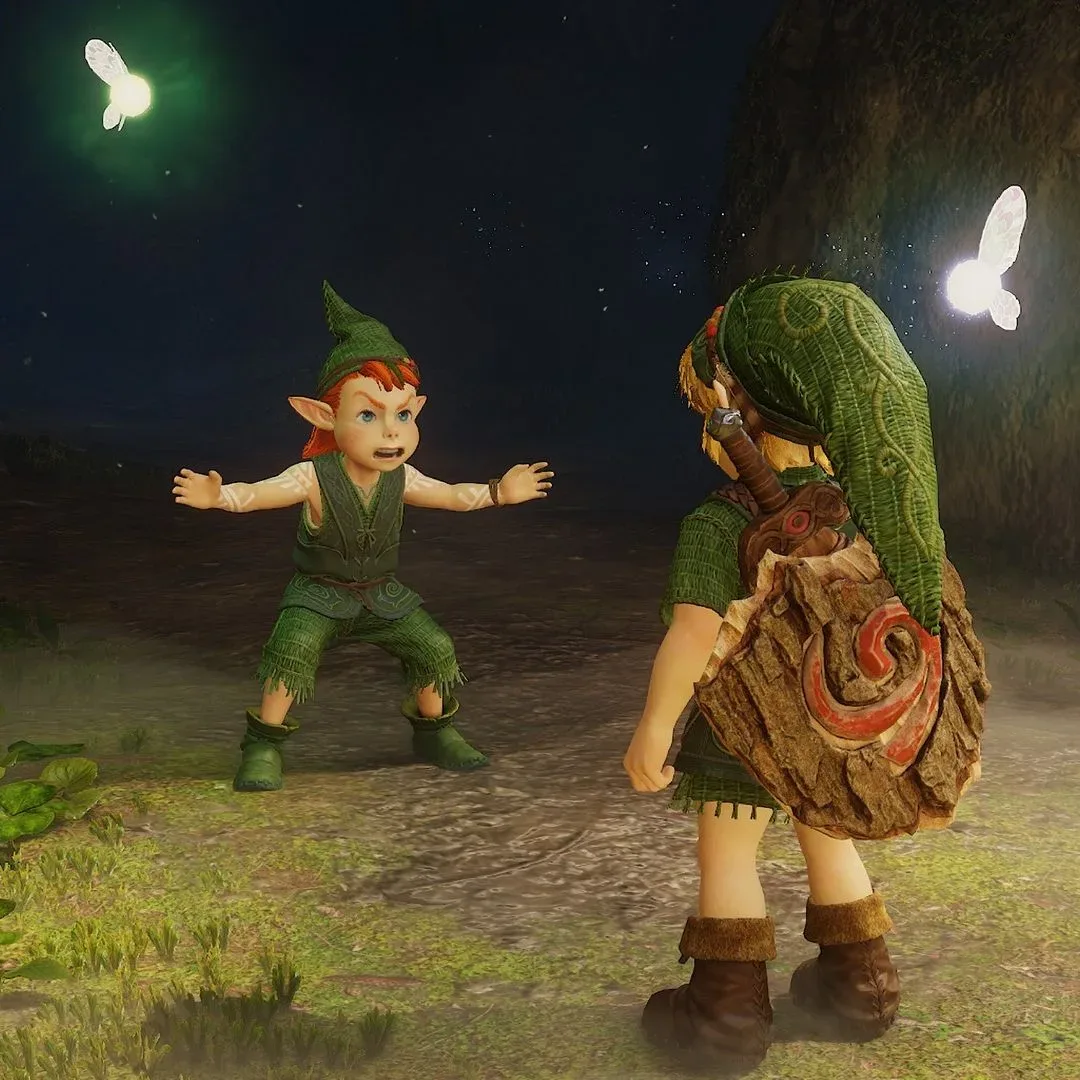
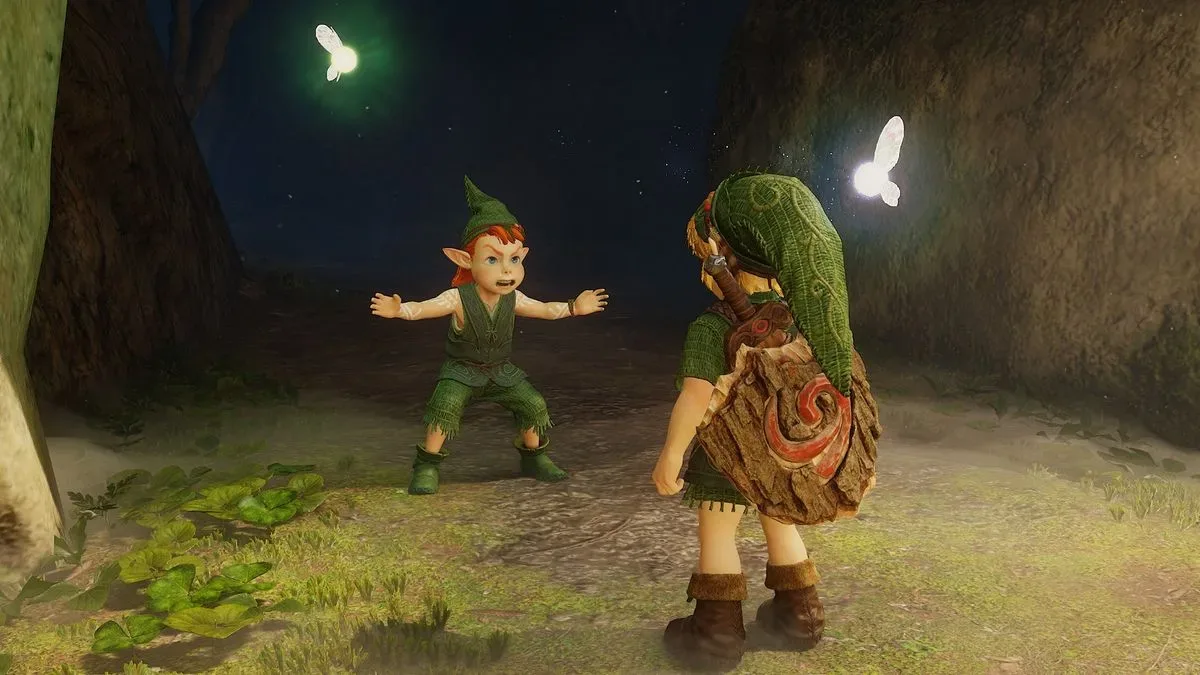
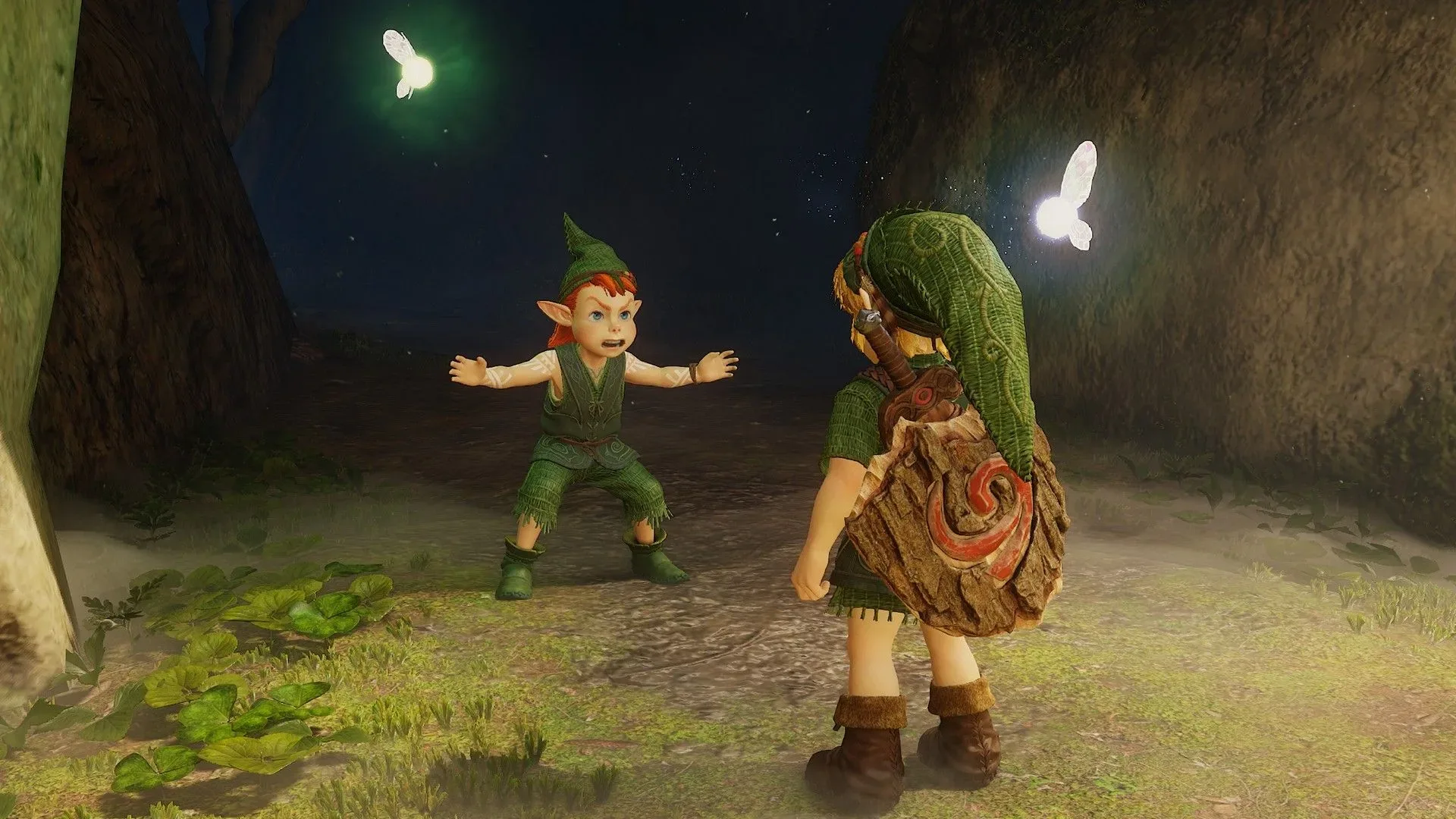
The patch arrived amid reports that a Switch 2 copy of The Legend of Zelda: Ocarina of Time remake had been dumped and was running on PC only hours after the game’s release. The reported speed of that appearance highlights the concern Nintendo is attempting to address: once game data can be extracted through a viable system-access route, control over where and how those files circulate becomes much harder to maintain.
For players focused on the game itself rather than the technical controversy, our Ocarina of Time Remake Lost Woods guide covers one of its early navigation challenges.
The larger practical issue for Nintendo is not limited to a single Zelda release. A console maker’s security model is designed to control code execution, protect digital distribution, and keep games running within the platform’s licensed ecosystem. A method that can extract games or assets, or alter commercial games outside their approved functionality, challenges several of those goals at once.
It also explains the apparent speed of the response. The first jailbreak was reportedly only weeks old and inconvenient by design, but its tethered nature did not make it harmless from Nintendo’s perspective. If it enabled access to protected system functions while active, the need to patch it would remain urgent.
Questions around physical media, digital content and holdouts
There are still qualifications around the scope of the fix. Another account, SwitchTools, claimed that new physical games could still potentially be dumped on this firmware, while Game Key Cards would not be affected in the same way. The account further claimed that digital games, updates and downloadable content could not be downloaded and dumped without Nintendo Switch Online.
These claims should be treated as unconfirmed technical assessments, not as a final map of what 23.5.0 can or cannot prevent. They also point to an important difference between forms of game distribution. Physical cartridges, Game Key Cards, fully digital purchases, updates, and DLC are not necessarily exposed to the same process or limitation. The reported carve-outs are therefore less a contradiction of the broader patch claim than a reminder that console security is rarely a single on/off switch across every content type.
There is a separate practical limitation, too: a firmware patch affects consoles that take it. Some users online have said they will avoid updating in an effort to preserve access to the earlier exploit. That does not change the reported status of 23.5.0 itself, but it means an update cannot instantly alter every Switch 2 already in use.
For ordinary players, choosing to delay a system update can have trade-offs beyond this particular story. Compatibility, access to platform services and future game requirements can all depend on the software version a console is running. The available reporting does not establish how those trade-offs will develop for Switch 2 owners, but it does make clear why a security patch is not a universal erase button for an exploit already present on unupdated hardware.
A patch is a setback, not proof that the search is over
There is no evidence here that Nintendo has permanently ended all Switch 2 jailbreak research. The report instead supports a narrower, more accurate conclusion: the OS-level route used by the recent tethered jailbreak has reportedly been fixed in 23.5.0, and game-specific entry points reportedly no longer provide the system escape that made them far more powerful.
That distinction is worth preserving. Security work is iterative. Platform holders patch known weaknesses; researchers examine the new software state; and older techniques may stop working even as other possibilities are investigated. Nothing in the available information demonstrates that a successor method exists now, nor does the existence of a patch prove that one never will.
The immediate picture is therefore relatively clear. Owners who update to 23.5.0 should not expect the recently reported jailbreak path to function as it did before. Game-level issues may reportedly remain in certain cases, but their capabilities are said to be confined to the game rather than extended into the wider Switch 2 system. For Nintendo, that is the important boundary to restore—especially after reports of game data escaping onto PC so soon after a major release.