Campaign spoiler warning: This article discusses the Modern Warfare 4 mission “Retreat” and a later fight involving Price.
One Modern Warfare 4 campaign player has reported finishing the game’s unforgiving YOLO mode: a realistic-damage challenge in which a death sends the player all the way back to the opening of the campaign. The successful run took roughly 20 hours, while the full effort required three attempts and about 40 hours in total.
That is an extraordinary amount of pressure to attach to every doorway, reload and grenade throw. In a conventional campaign difficulty, a bad push can mean a nearby checkpoint and a brief reset. YOLO changes the governing rule entirely. A campaign completed in one continuous life is less about recovering from errors than preventing an error from occurring at all.
The player, posting as Lost-Equivalent2352, said YOLO becomes available after completing the campaign on any difficulty. Their reported reward for overcoming it was a Calling Card—small compensation in practical terms, perhaps, but a conspicuous badge for a challenge whose real prize is plainly the clear itself.
What makes YOLO mode so severe?
“One life” can sound self-explanatory, but the important detail is the scale of the penalty. Death does not merely restart a combat arena or replay the current chapter. It restarts the entire campaign. Paired with realistic damage, where incoming fire can end a run quickly, the setting turns the usual first-person-shooter rhythm on its head.
Instead of treating speed and aggressive forward movement as default virtues, a one-life run rewards information, cover and restraint. A player needs to know where danger is likely to emerge, but also has to accept that the safest solution may be to wait rather than force an encounter. A clean campaign clear therefore tests endurance as well as aim: maintaining concentration for long enough to avoid the single mistake that can erase hours of progress.
There is also a major difference between a difficult encounter and a volatile one. A clearly challenging fight may still be manageable if enemy positions, sightlines and safe cover are consistent. A chaotic sequence with crossfire, allied NPCs and civilians can be more dangerous because control is limited. In YOLO, unpredictability matters as much as raw enemy strength.
The reported strategy: let the squad create the opening
Lost-Equivalent2352 described a notably cautious plan: remaining behind cover for minutes at a time and allowing AI-controlled allies to engage enemies first. The approach is not glamorous, but it follows the basic risk calculation of permadeath play. If friendly AI can draw attention or remove threats while the player remains protected, the player avoids exposing the only life that matters.
Related coverage includes Modern Warfare 4 Player Completes Brutal One-Life YOLO Campaign Run.
Once the field was thinned out, the player said they used flashbangs and grenades to deal with remaining enemies. A flashbang is a tactical grenade intended to disorient opponents; in this context, its value is not just offensive. It can reduce the odds that an enemy immediately lands a lethal shot while the player finishes the engagement. Grenades can similarly end an exposed threat without requiring a prolonged exchange of gunfire.
That does not make equipment a universal answer. The reported run demonstrates why a successful method has to be adaptable. Tools that are sensible in a relatively controlled firefight can become unacceptable when the environment introduces a danger of friendly fire.
Patience is not the same as passivity
Waiting behind cover has a practical purpose in a setting where an instant of exposure might end the entire campaign. But it still asks the player to make decisions: when to remain hidden, when the allies have created a safer opening, when to use a flashbang, and when a grenade is too risky. This is a slower kind of play, not an absence of play.
For anyone attempting the mode, the account is best understood as a case study rather than a guaranteed route. AI behaviour, enemy positions and a player’s own precision can shape the value of any individual tactic. The broadly useful lesson is simpler: YOLO’s conditions favor reducing the number of dangerous decisions, not winning every fight in the fastest possible fashion.
“Retreat” appears to be the run’s danger point
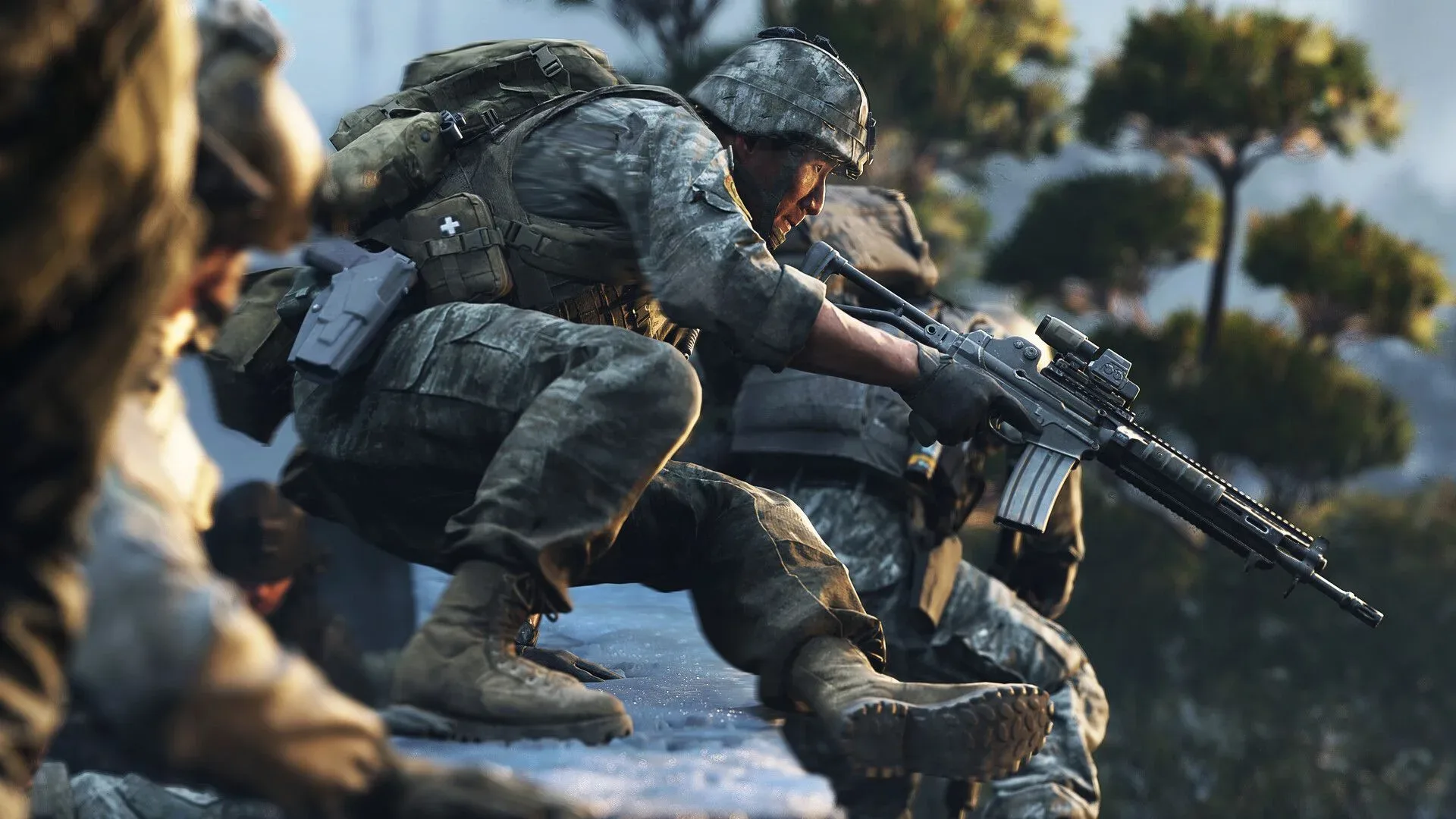
Lost-Equivalent2352 identified “Retreat” as one of the hardest missions in the successful clear. The nighttime level depicts the fall of Hajin during a full-scale invasion, as South Korean troops make a tactical withdrawal. The player described bullets flying throughout the sequence while civilians flee for safety.
Those conditions create an especially uncomfortable fit with YOLO’s rules. Friendly fire is treated as a death, so an accidental hit on an ally or civilian ends the run in the same way as being killed. The consequence is severe enough that the player said grenades could not be used during this part of the game.
That restriction helps explain why the mission stands out. Explosives normally let a player clear an uncertain space from relative safety. When civilians and friendly forces are moving through an invasion scene, the same tool becomes a liability. The player called getting through it “pure luck,” an assessment that underlines how hard it can be to separate careful planning from chance in an encounter built around confusion.
For a prospective YOLO player, “Retreat” is a useful warning that safety is contextual. A powerful item is not automatically the safe item. The safe choice is the one that best controls the consequences of a miss, and in a mission where a single mistaken explosive can reset the full campaign, that may mean refusing an otherwise effective option.
Precision, recoil control and the controller question
The player also argued that a controller cannot realistically be used to complete YOLO mode, saying the challenge demands the distance, recoil control and precision associated with a mouse. That is their personal assessment, not a confirmed limitation of the mode, and it should be treated accordingly.
The reasoning is still easy to follow. Recoil control is the act of keeping a weapon’s fire on target as shots cause the aim to move. In a one-life setting, missed shots can extend an engagement, giving an enemy more time to fire back. Precision at range can therefore be a defensive tool: eliminating threats from farther away may reduce exposure to the high-damage exchanges YOLO asks players to avoid.
Whether mouse input is necessary is a different claim. The reported completion offers one player’s perspective on the demands of their strategy rather than evidence that controller players are categorically blocked. The more defensible takeaway is that the run rewarded accurate long-range play, and Lost-Equivalent2352 felt a mouse was crucial to executing that style reliably.
A difficult Price encounter—and melee’s rough edges
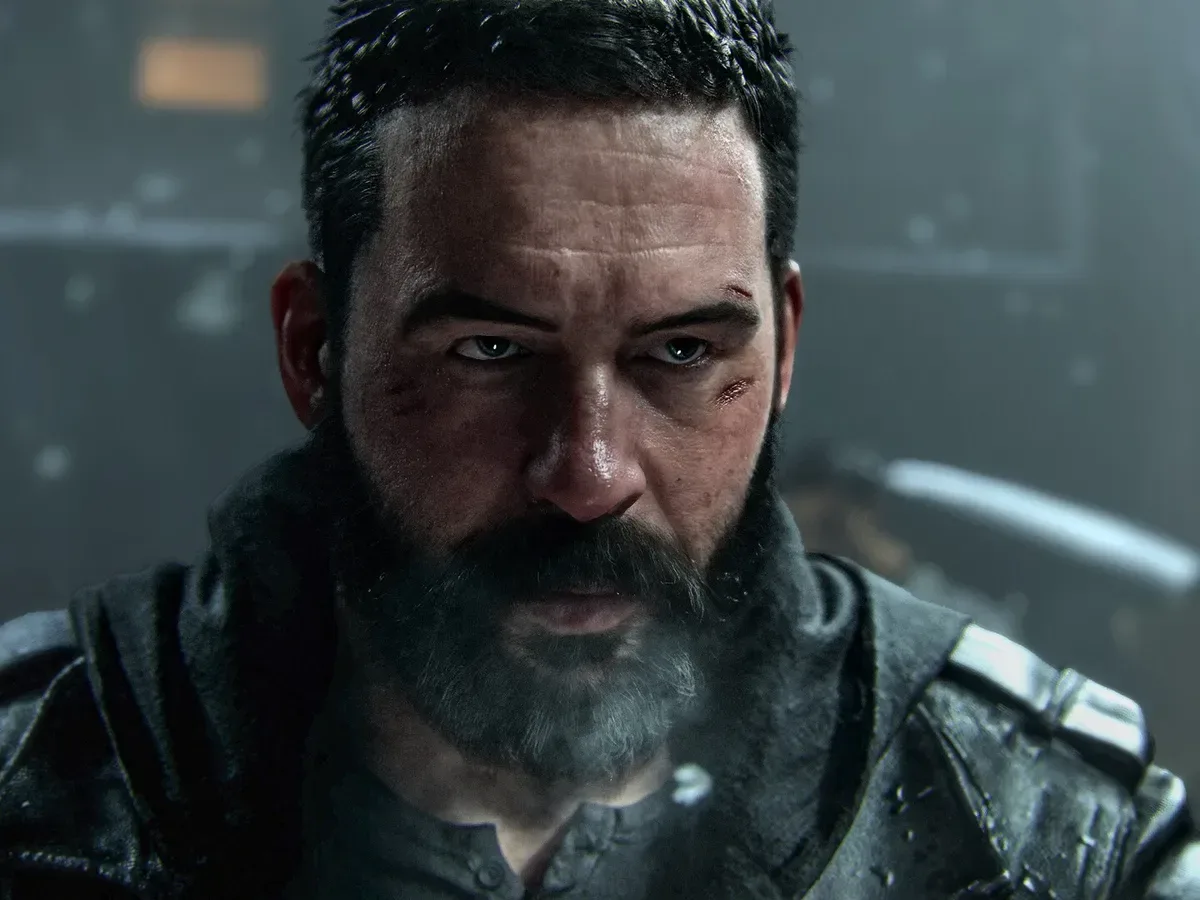
Another section singled out as particularly difficult was a double fight in which Price faces two former allies. The account does not provide a detailed sequence-by-sequence breakdown of the encounter, but the label alone matters in a permadeath campaign: multi-opponent fights reduce the player’s ability to isolate a single danger at a time.
Modern Warfare 4 also includes hand-to-hand combat, and the player’s experience suggests that melee can be a risky answer when the game’s feedback is unclear. The system allows cinematic close-quarters moments, but incoming hits reportedly do not always communicate themselves clearly. That makes parrying—timing a defensive response to stop an attack—feel less like a clean reaction test and more like repeated inputs in hopes of catching the correct window.
In an ordinary playthrough, messy feedback can be frustrating. In YOLO, it has a sharper implication: close-range uncertainty is expensive. If a player cannot consistently read when a hit is arriving, a melee sequence may demand extra caution because the price of a failed defense is not simply retrying the scene.
Why a Calling Card can still matter
On paper, spending around 40 hours across three attempts for a Calling Card sounds disproportionate. Yet unlockables attached to extreme difficulty often work as proof rather than power. The reward need not alter weapons, missions or progression to have meaning. Its value is in communicating that a player accepted a constraint most players will never choose, then successfully carried it through a full campaign.
The reported clear also shows the particular identity of a one-life campaign mode. This is not just a harder damage setting. It is a test of how a player manages uncertainty over a long span: conserving options, exploiting allied support, changing tactics where civilians make explosives unsafe, and surviving both scripted intensity and imperfect hand-to-hand feedback.
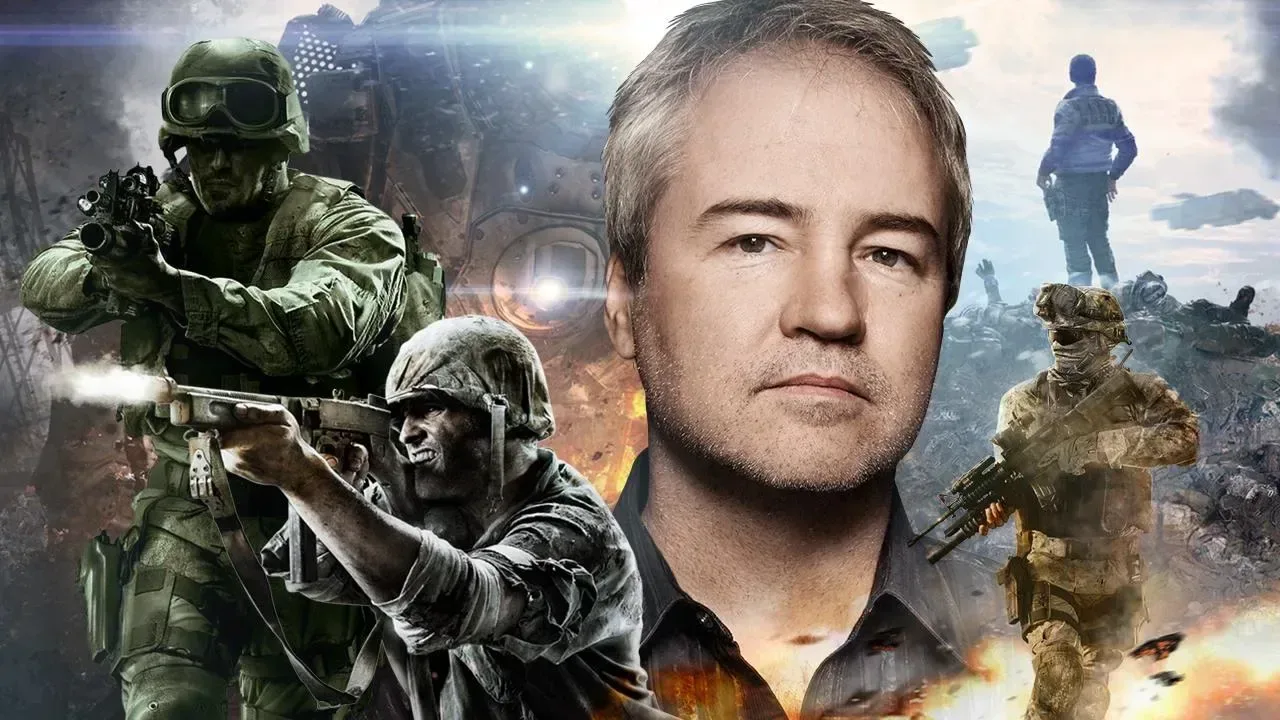
Players looking at the campaign before attempting YOLO may also want to keep broader story context in mind; Modern Warfare 4’s campaign credits include a tribute to series co-creator Vince Zampella, as covered in our report on the campaign credits. For the one-life challenge itself, however, the clearest message from this completion is much less ceremonial: find cover, let allies shoulder some danger, and do not confuse a fast solution with a safe one.