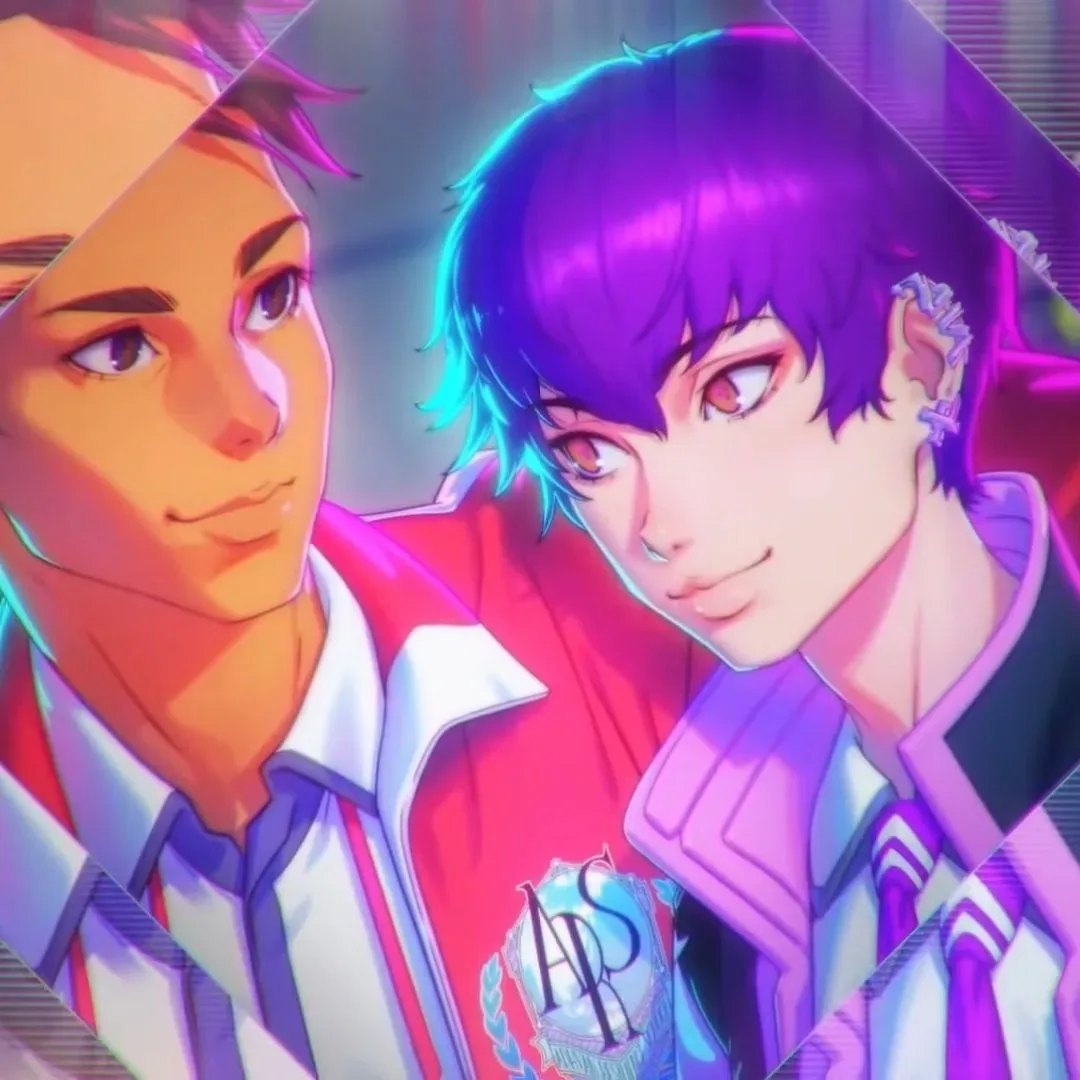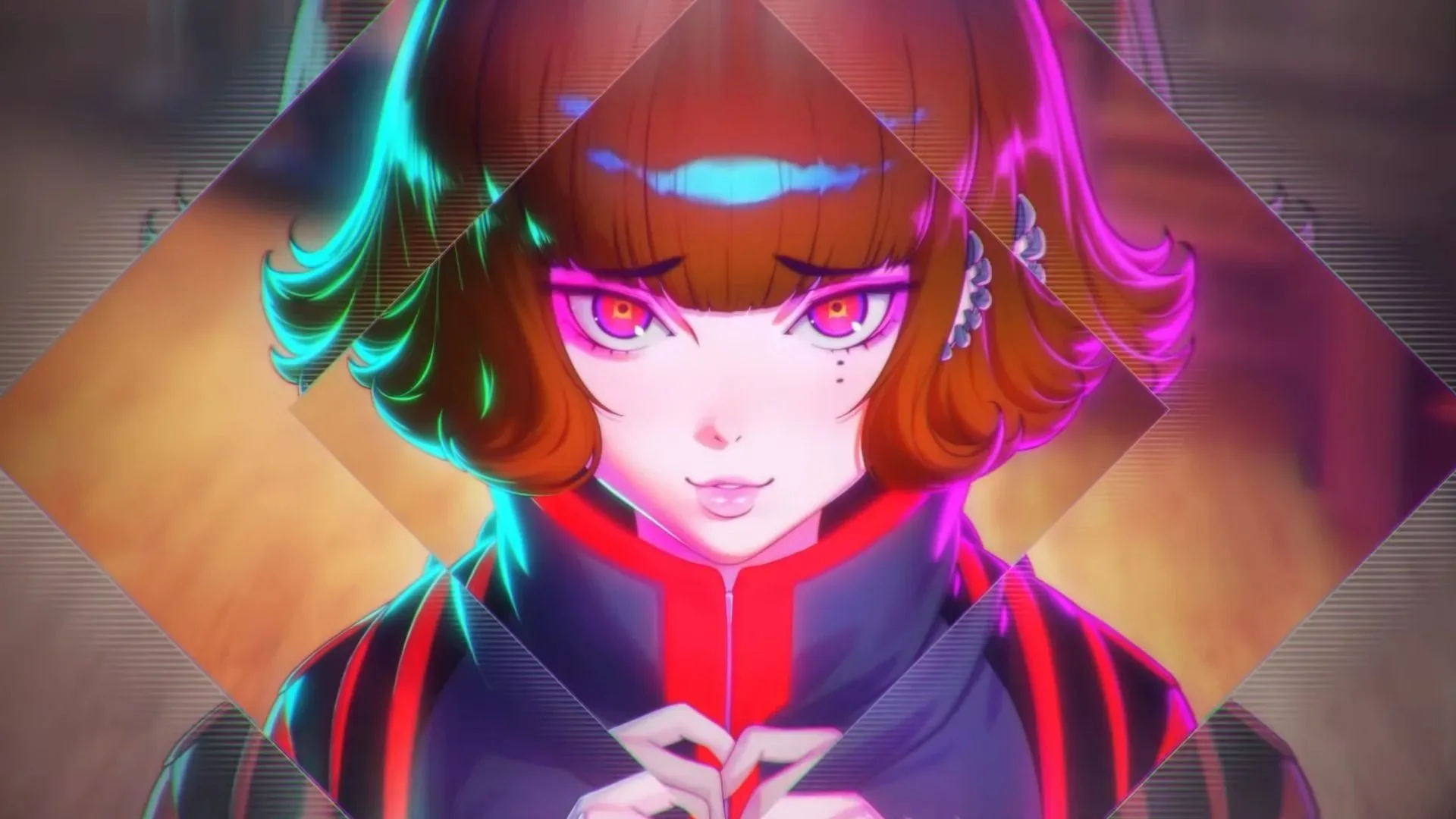

Kouji Okada’s next RPG, Villion:Code, is due on January 26, 2027 for PlayStation 4, PlayStation 5, Nintendo Switch, Nintendo Switch 2, and Steam. But in discussing the project, the longtime Shin Megami Tensei and Persona creator has also offered a useful explanation of why Persona became so closely associated with student life, friendships, and a more intimate scale of storytelling.
Okada’s account starts with a creative limit rather than a marketing calculation. He had worked on RPGs in which an ordinary person is suddenly pulled into a mission to save the world, a premise he says still had appeal. After returning to that kind of story several times, though, he became tired of it. The question that followed was whether an RPG could be just as compelling while narrowing its setting and focusing on a more immediate stage of life.
That thinking fed into 1994’s Shin Megami Tensei if..., which Okada describes as an experiment in a smaller, more personal world. Its positive player response encouraged the team to push further into a coming-of-age framework, ultimately leading into the development of 1996’s Revelations: Persona, now generally known as Persona 1.
From world-saving stakes to a formative everyday setting
Okada’s career includes 1987’s Megami Tensei, 1992’s Shin Megami Tensei, and the first Persona. In that context, Shin Megami Tensei if... matters as more than a historical footnote: it was where a different way of framing the broader series’ ideas could be tested. Rather than abandoning the series’ foundations, the project reworked them for a setting with less geographical and narrative sprawl.
“Smaller-scale” does not simply mean a story has lower stakes. In Okada’s explanation, it means the player’s attention can be directed toward the pressures and connections immediately surrounding the characters. A school is particularly useful for that purpose. It is a contained environment, but not an empty one: classes, clubs, part-time work, classmates, and social expectations can all place people in contact and conflict.
The resulting structure makes room for a different type of role-playing fantasy. The player may still confront extraordinary events, but the setting can retain the recognizable rhythms of adolescence. School life gives writers an established social space and a period of life where change, uncertainty, ambition, embarrassment, loyalty, and romance can carry unusual intensity.
Okada says he wanted to find out whether players would enjoy one of his games in “a smaller, more intimate world.”
He also suggests that the familiarity of school life is central to its value. Many people have experienced it directly or are experiencing it now, while others can approach it through nostalgia. The point is not that every player shares the same memories; rather, the broad shape of the setting is legible. That creates a quick foundation for a game to build upon.
Related coverage includes Persona Veteran Kouji Okada Revisits the Series' School-Life Origins Ahead of Villion:Code.
For Okada personally, the important parts of school were not confined to the classroom. He recalls activities including clubs and jobs as irreplaceable experiences that introduced him to both positive and negative sides of society. He also still values relationships formed with classmates. Those recollections help clarify why school settings can be more than a decorative backdrop in an RPG. They can provide material for the player’s decisions, relationships, and sense of passage through time.
Why the Persona formula kept the school setting
The school-life premise has remained a defining feature of Persona for decades. It is easy to reduce that idea to a familiar visual shorthand—uniforms, classrooms, clubs, and after-school plans—but Okada’s comments frame it as a narrative design choice. The setting supports stories about people discovering who they are and how they relate to others at a highly impressionable point in their lives.
That approach also anticipates a concept associated with later Persona games: social links. A social link is the term used in Persona 3 for relationship-focused progression. Okada’s memories of friendships that endure beyond school make the thematic fit apparent, even though he is not presenting Villion:Code as a copy of Persona’s systems.
The distinction matters. A relationship mechanic is a gameplay system: it gives the player choices, progression, or effects tied to connections with characters. A coming-of-age story is a narrative framework: it concerns the transition from youth toward adulthood and the emotional, social, and moral questions that emerge along the way. Persona’s identity has often been strengthened by joining those two things, but neither is automatically dependent on the other.
Okada describes his own creative signature in terms of unity between the world and the systems. In other words, the setting should not merely house the mechanics, and mechanics should not feel detached from what the game is trying to say. He aims to use interactivity—the player’s ability to act within the game—to combine engaging play with meaningful ideas and questions.
That is a useful lens for interpreting his remarks. The significance of a school setting is not only that it is relatable. It can also justify and shape the actions the player takes. If a game asks players to manage relationships or navigate personal dilemmas, a formative social setting can make those interactions feel structurally relevant rather than optional decoration.
Villion:Code is influenced by Persona, not positioned as Persona again
Villion:Code also has a student cast, so the overlap with Persona is real and unsurprising. Okada directly acknowledges that Persona influenced the new RPG. At the same time, he has been explicit that the goal is not to make a separate version of Persona.
That leaves considerable room for uncertainty. The available information establishes Villion:Code’s platforms, release date, student-focused cast, and the broad design philosophy Okada is bringing to it. It does not establish a detailed feature list, a specific combat model, or whether it uses any particular Persona-style relationship or calendar system. Those are distinctions worth preserving: influence is not confirmation of matching mechanics.
For players interested in Okada’s work, the more grounded takeaway is thematic. Villion:Code appears to continue his interest in worlds that are personal enough for the systems and story to reinforce one another. Its student cast connects it to the kind of formative setting he sees as broadly relatable, while his stated intention separates the project from being treated as a Persona substitute.
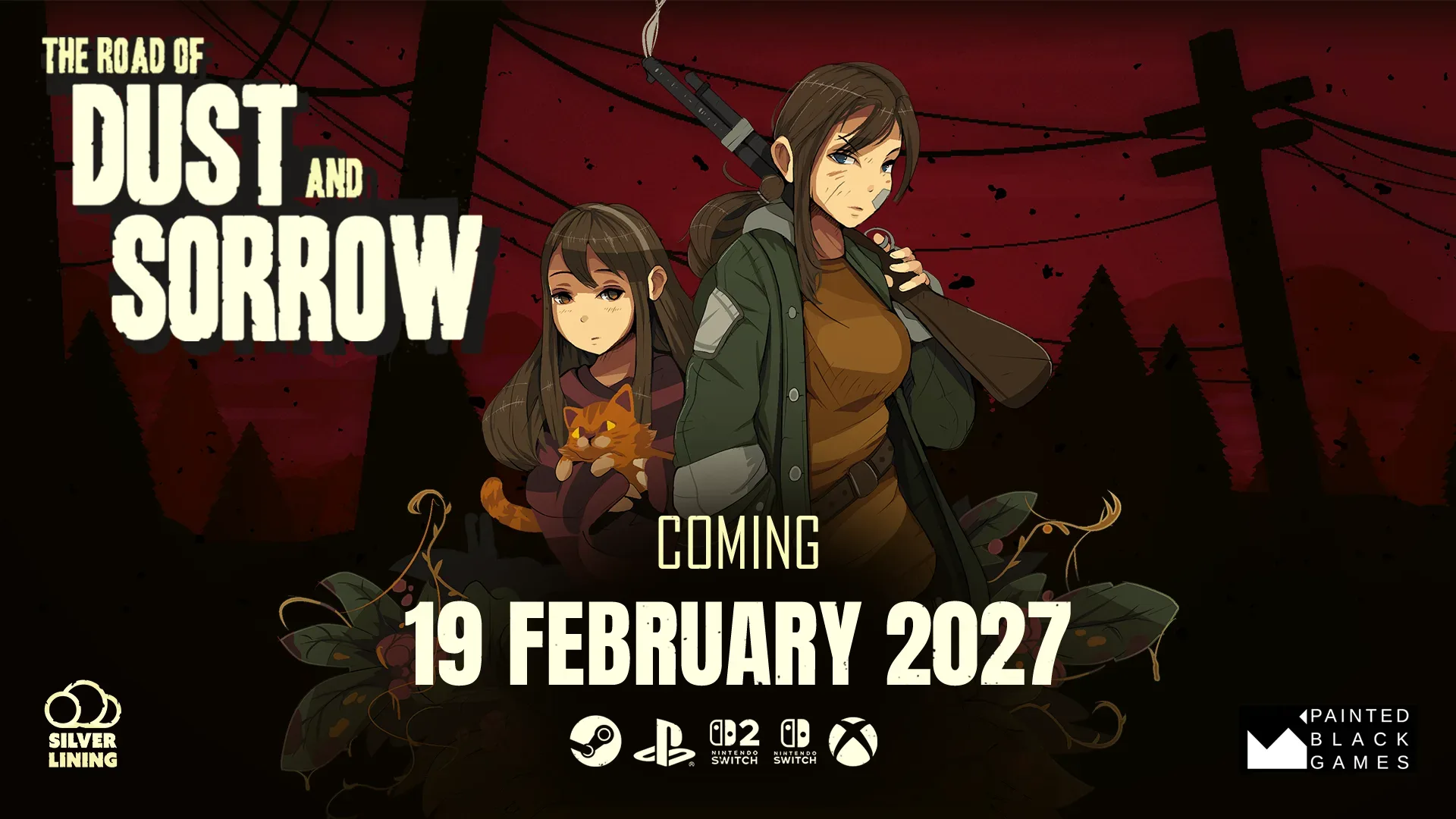
Its multi-platform release also places it across both PlayStation and Nintendo hardware, in addition to Steam. That wide spread puts Villion:Code on a busy 2027 release calendar; another forthcoming PS5 title, The Road Of Dust And Sorrow, is currently scheduled for February 19 of the same year.
Persona 6’s early description keeps the same broad theme
Okada’s retrospective also arrives while Persona’s future remains only lightly defined in public. Early store-page wording for Persona 6 describes an “everyday school life” in which players build friendships, pursue romance, and cultivate meaningful memories. That establishes a continued school-life framing, but it is not enough information to draw conclusions about the game’s broader story or systems.
Still, the description sits neatly beside Okada’s explanation of where Persona began. The series’ school setting was born from a desire to move away from consecutive grand, globe-spanning world-saving tales and see what could happen in a tighter world. The setting became durable because it gave RPG storytelling a place where the extraordinary could meet the immediate concerns of identity, friendship, work, and belonging.
For Villion:Code, the key expectation should be measured rather than presumptive. Okada’s comments offer a clear creative lineage and a clear boundary: Persona has influenced the project, but Villion:Code is intended to stand as its own RPG. More concrete details will be needed to explain exactly how that independence takes shape before its January 26, 2027 launch.