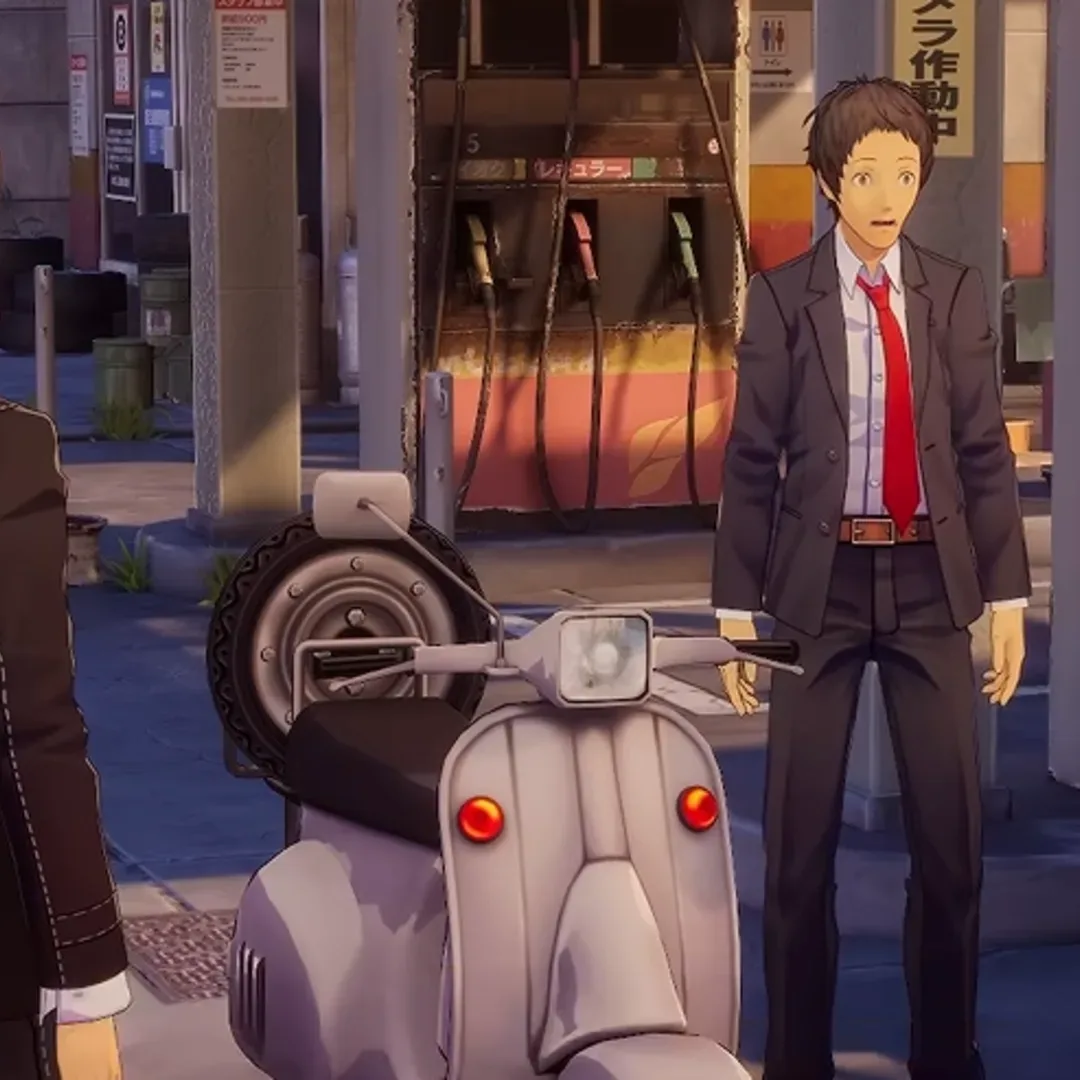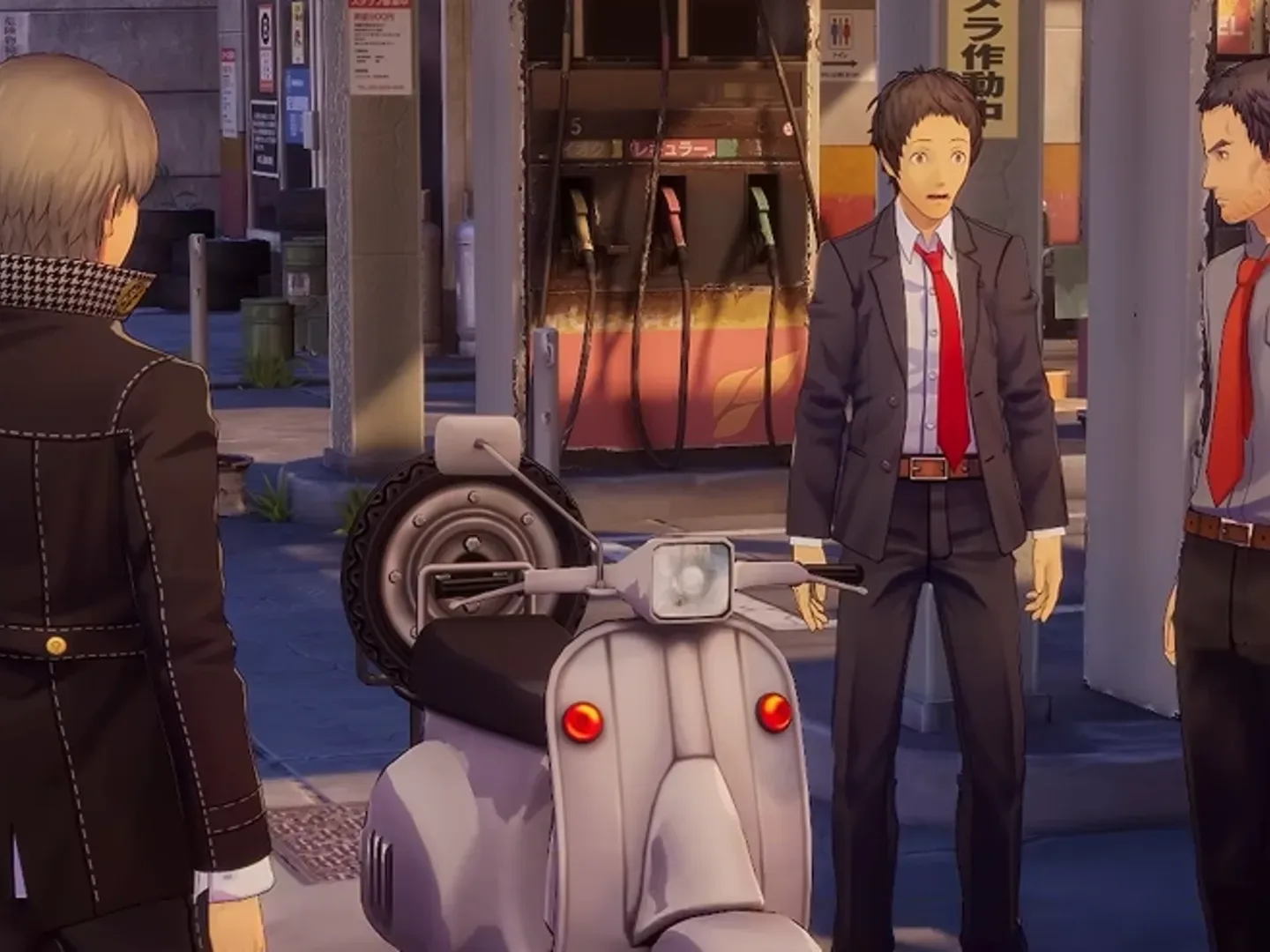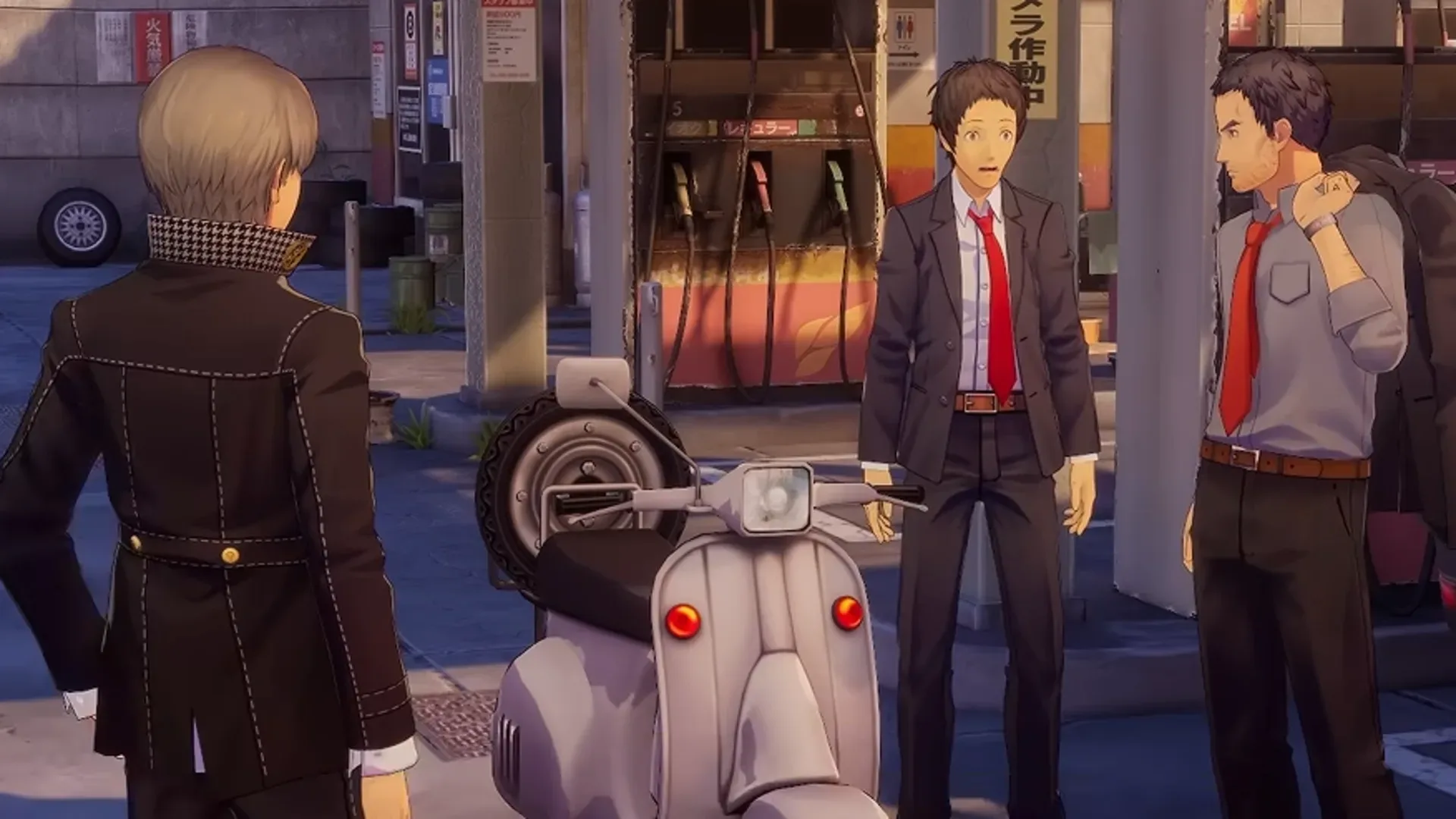
Persona 4 Revival will bring Johnny Yong Bosch back as Tohru Adachi. The casting news makes Bosch the notable exception to a previously described plan to begin again with the English-language ensemble for the remake. It also clarifies why fans should be careful about treating a broad production rationale as an absolute rule when a project has many roles, schedules and individual arrangements to consider.
Bosch played Adachi in the original Persona 4, alongside the original English voice of protagonist Yu Narukami. In the new version, Nazeeh Tarsha takes over as the protagonist, while Bosch returns as Dojima’s police partner. The confirmed casting reveal also names Judy Alice Lee as Aika, Courtney Shaw as Nanako and Ray Chase as Detective Dojima.
That is a substantial amount of information about the remake’s English performances, but it does not establish a complete cast list or explain every individual decision. What it does establish is simpler: Persona 4 Revival is predominantly introducing new performers for announced parts, while retaining Bosch for Adachi.
A “new cast” plan now has a visible exception
Before Persona 4 Revival was formally announced, several performers associated with the earlier game publicly indicated that they had been replaced. That unusual sequence made the remake’s existence apparent well before a conventional reveal and put recasting at the center of discussion immediately.
Series producer Kazuhisa Wada subsequently explained that the team had faced difficulty bringing every actor back. His account characterized the response as starting over and doing the best possible work with a whole new cast. That rationale remains useful context for why familiar voices are changing, particularly for longtime players who strongly associate specific performances with Persona 4.
But Bosch’s return shows the phrase should not be read as a guarantee that every single original performer would be absent. A full reset can describe the overall casting approach without preventing a returning actor from appearing in a particular role. In this instance, Adachi is the clear exception fans can point to rather than a reason to assume further returnees have been confirmed.
That distinction matters because voice-cast discussion can quickly become an all-or-nothing argument: either a remake has preserved the original cast or it has replaced it. Persona 4 Revival now sits in a more nuanced position. The announced personnel support the idea of a newly assembled ensemble, yet Bosch’s Adachi supplies a direct point of continuity with the original English version.
Why Adachi’s casting draws particular attention
Adachi is Detective Dojima’s partner, placing him in a relationship that will now pair Bosch with Ray Chase’s newly announced Dojima. The choice is therefore not simply a returning actor delivering isolated lines. It is one recurring role being carried forward inside a newly configured set of character dynamics.
Related coverage includes Johnny Yong Bosch Returns as Adachi in Persona 4 Revival Despite Full Recast Plans.
For a remake, this kind of casting blend can have practical consequences for how audiences approach the new version. Fans who want familiar vocal continuity have one confirmed performance to anticipate. Fans interested in a fresh interpretation of the broader group have several newly announced actors to follow. Neither expectation cancels the other out.
It is also worth separating the return of an actor from any claim that the remake will reproduce the original game line for line. The supplied information confirms Bosch’s involvement as Adachi; it does not detail the size of the role, the scope of rerecorded dialogue, or how closely each scene will follow the earlier release. Those are meaningful differences, and they remain unconfirmed here.
Recast does not mean replacement of the character
“Recast” means a different performer takes over a role. It does not automatically mean the character has been removed, rewritten or changed in function. Tarsha succeeding the prior protagonist voice and Chase taking on Dojima are casting changes. The reported addition of Aika as a Social Link is a separate creative change to the game’s content.
Keeping those terms apart is particularly helpful for Persona discussion because the series is closely associated with character relationships and performance-driven scenes. A different actor can alter the sound and texture of a familiar character, while a new Social Link can alter the set of relationships available to the player. They are related parts of a remake’s identity, but they are not evidence of the same thing.
Bosch responds with the Adachi “TRUE!” meme
After the announcement, Bosch acknowledged the news using the Adachi-associated “TRUE!” meme. He joked that fans would never trust him again, saying he had been told to remain silent and that he would see players in Persona 4 Revival. He also changed his Instagram profile image in connection with the meme.
The response fits the peculiar path the project’s casting conversation has taken. Actors’ earlier public comments had already made casting part of the pre-announcement story. Bosch’s post, rather than supplying a new gameplay or release detail, confirms the human side of an ordinary but tightly controlled production process: performers may know they are involved and still be unable to say so until the project’s official reveal schedule allows it.
It is tempting to turn that joke into a broader theory about what else may be hidden, but it should remain just that: a joke attached to a confirmed casting announcement. The available information does not identify other returning actors or promise more casting surprises.
What a Social Link addition could mean
Persona 4 Revival is also said to add a fan-favorite character from the anime as a Social Link. A Social Link is a relationship-focused game system associated with Persona 4: players spend time with particular characters and advance their connection. The report suggests the addition could open the door to new Personas in the remake, though that remains a hint rather than a confirmed feature list.
A Persona, in this context, is not merely a character’s public identity. It is also the central supernatural entity and progression concept tied to the series’ combat and character systems. That is why the prospect of new Personas would be significant: it could imply that a relationship addition has gameplay consequences as well as story relevance. Still, no specific new Persona has been identified, and no detailed explanation of the system changes has been provided.
The safe takeaway is that Persona 4 Revival appears to be doing more than rerecording existing material with new actors. The reported Social Link addition points toward new content, while the cast list points toward a reinterpreted English presentation. Bosch’s return shows that the project can make room for a familiar performance within that larger refresh.
What fans can reasonably take from the announcement
- Confirmed: Johnny Yong Bosch is returning as Tohru Adachi.
- Confirmed: Nazeeh Tarsha is the new protagonist voice, while Judy Alice Lee, Courtney Shaw and Ray Chase have been announced for Aika, Nanako and Detective Dojima, respectively.
- Confirmed: The development team had described an intention to build a new cast after being unable to bring everybody back.
- Reported addition: A character known from the anime will become a Social Link.
- Not established: A complete English cast, the identities of any other returning actors, the extent of new dialogue, or which new Personas may appear.
For now, the best reading is not that the remake has abandoned its recasting approach, but that it has made a prominent and welcome exception. Bosch returning as Adachi gives Persona 4 Revival a bridge to the original game’s English identity, even as the rest of the announced cast signals a new era for the remake.
Persona 4 Revival’s casting news arrives amid a busy release landscape for revivals and returning game worlds; elsewhere, Middle-earth: Shadow of Mordor and Shadow of War are also heading to Switch 2. Persona 4 Revival, however, has made its own approach clear: preserve at least one defining performance, rebuild much of the ensemble, and add new relationship-focused material whose full gameplay implications have yet to be detailed.