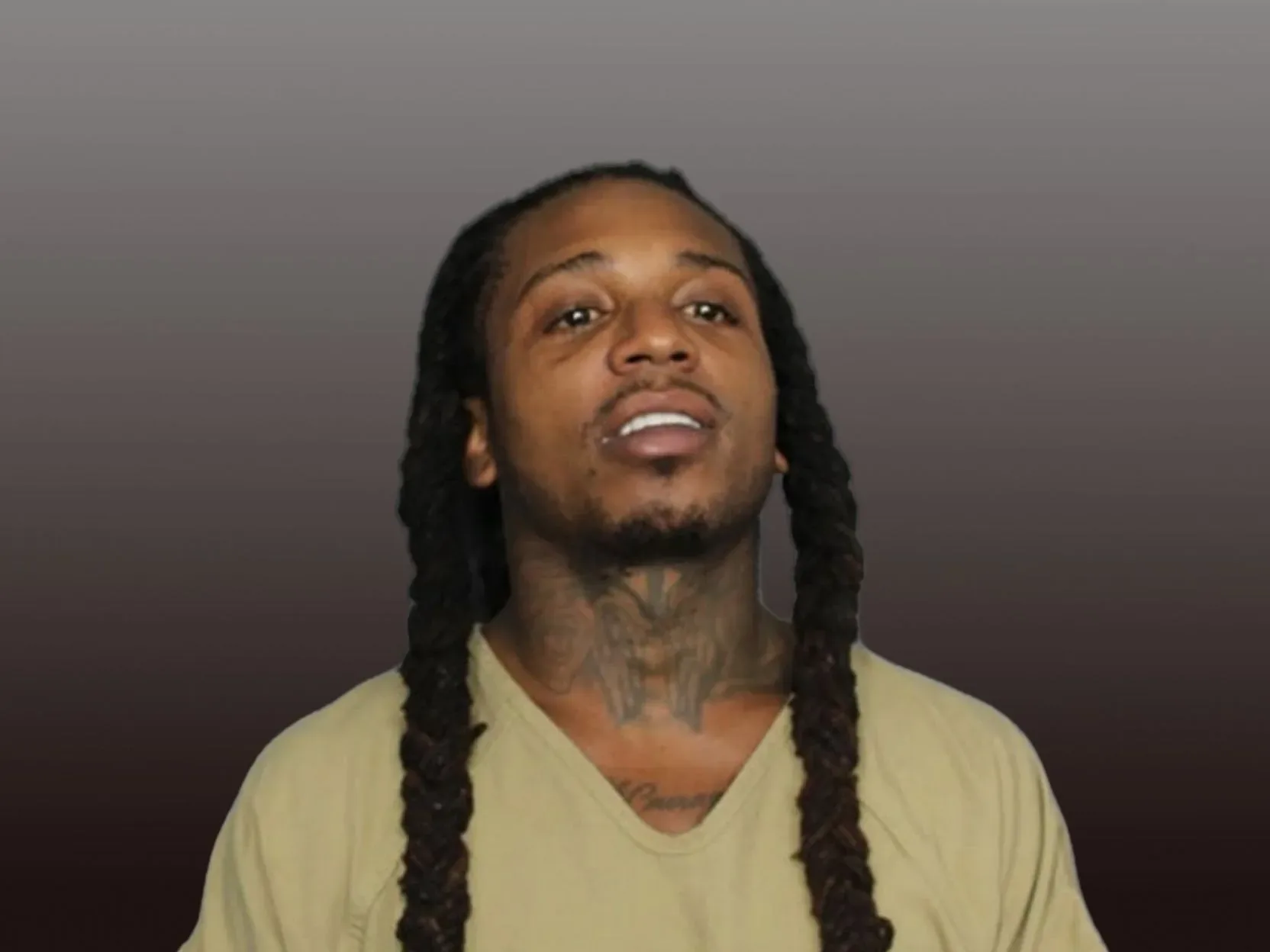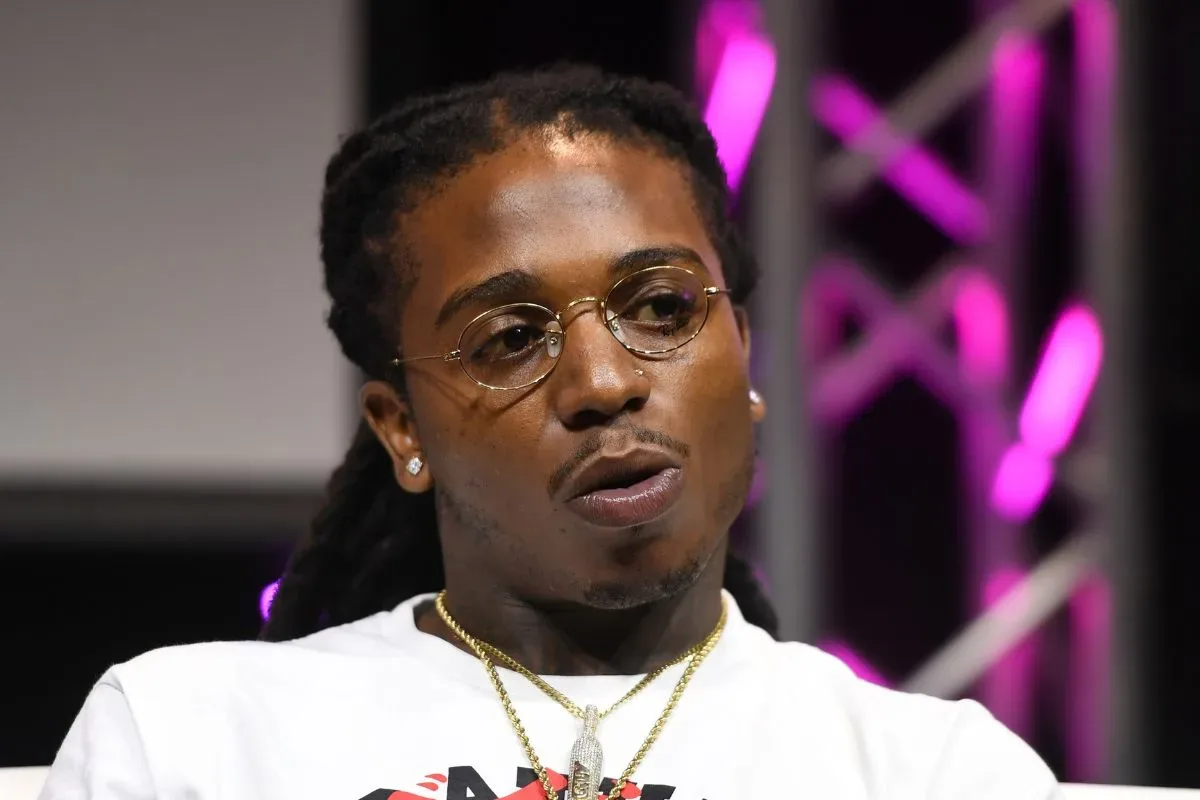
R&B singer Jacquees has been released from Broward County Main Jail after posting a $3,500 bond following his arrest in Hollywood, Florida. The artist, whose legal name is Rodriguez Jacquees Broadnax, faces allegations of DUI, battery on an officer and resisting an officer without violence.
The charges remain pending. Jacquees has publicly denied the allegations and said he expects them to be dismissed.
What police allege happened in Hollywood
Police responded shortly before 8 a.m. Sunday to the intersection of Hollywood Boulevard and North 62nd Avenue. Officers found Jacquees unresponsive behind the wheel of a white Jeep Gladiator pickup truck, according to the arrest report described in the available account.
Authorities reportedly tried to get his attention by tapping on the window and shaking the vehicle. Firefighters then broke the right-front window to reach him. After Jacquees was removed from the truck, officers said they detected the smell of alcohol.
That sequence is important because it separates the reported roadway incident from the later confrontation alleged during medical transport. A DUI, commonly shorthand for driving under the influence, is the first of the three accusations listed. The supplied information does not detail any chemical-test result, field-sobriety test, blood-alcohol figure, or other evidence that may ultimately be raised in court. It establishes only that a DUI charge has been filed.
Authorities also alleged that Jacquees became combative while first responders were taking him to a hospital. During efforts to put him onto a stretcher, he is accused of punching an officer in the arm while resisting. An officer then used a forearm strike to his face while taking him into custody, the account says.
The alleged punch is the basis for the battery-on-an-officer count. Battery in this context refers to an allegation of unlawful physical contact; it is not a finding that has already been proven. The third charge, resisting an officer without violence, is distinct from the battery allegation. It concerns alleged interference with an officer that prosecutors contend did not itself amount to violent resistance.
Jacquees disputes the account
Speaking after he bonded out, Jacquees gave a markedly different version of the encounter. He said police told him he had been asleep at a light and said he questioned why he was not simply advised to go home, which he said was across the street. He alleged that an officer began putting hands on him because he did not want to be arrested.
Related coverage includes Jacquees Released on $3,500 Bond After Hollywood Arrest.
“I’ll be in court, and then they’ll drop them all,” Jacquees said, describing the charges as false.
When asked whether he had resisted, the singer acknowledged telling officers not to arrest him but denied physically resisting. Those denials are Jacquees’ account, while the officer-battery and resisting allegations reflect the police account. Neither version should be treated as a final legal determination while the case is unresolved.
That distinction matters especially in a rapidly circulating celebrity arrest story. An arrest report summarizes law enforcement’s assertions at the time of an arrest. A criminal charge formally alleges an offense. Neither is the same thing as a conviction, and the supplied information does not indicate that this case has reached a court ruling.
Bond condition restricts alcohol and drugs
As a condition of his release, Jacquees has been ordered to refrain from alcohol and drugs. A bond condition is a requirement imposed while a defendant is out of custody; it is not a sentence. The practical consequence is straightforward: compliance is expected while the case moves through the legal process.
The $3,500 bond allowed Jacquees to leave jail pending further proceedings. Bond is designed to secure a defendant’s release with an expectation of appearing in court and following imposed conditions. It does not resolve the accusations or signal how the charges will be decided.
For the musician, the next material developments would be court filings, hearings, prosecutor decisions, or any additional evidence placed into the public record. None of those later developments are established here, so it would be premature to predict whether the counts will be dismissed, reduced, pursued, or otherwise resolved.
A public case with two competing narratives
Jacquees is a prominent R&B performer with more than 7 million monthly Spotify listeners. That reach ensures the arrest will draw attention beyond a routine local booking report, but it does not alter the basic framework for interpreting the claims: police have alleged specific conduct, and the artist has rejected that account.
There are several points that should remain clearly separated as the matter proceeds:
- Reported response: Police were called to a Hollywood intersection shortly before 8 a.m. Sunday and found Jacquees in his Jeep Gladiator.
- Charges filed: DUI, battery on an officer, and resisting an officer without violence.
- Police allegation: He smelled of alcohol after removal from the vehicle and later punched an officer while resisting placement on a stretcher.
- Jacquees’ response: He said he was asleep at a light, denied physical resistance, and called the charges false.
- Current status: He has been released on $3,500 bond and must abstain from alcohol and drugs as a release condition.
The episode also puts a sharper edge on the difference between public storytelling and formal adjudication. A short video clip or an interview outside a jail can show an accused person’s immediate reaction, but it cannot by itself settle questions about the vehicle stop, medical response, use of force, or the alleged physical contact. Likewise, an arrest report may provide the initial official narrative without representing the final outcome of a criminal case.
Jacquees’ statement makes his intended defense posture clear: he contests the charges rather than accepting the police description of events. Until the case produces further public records or a legal disposition, the accurate picture is one of unresolved allegations and a direct denial from the performer.
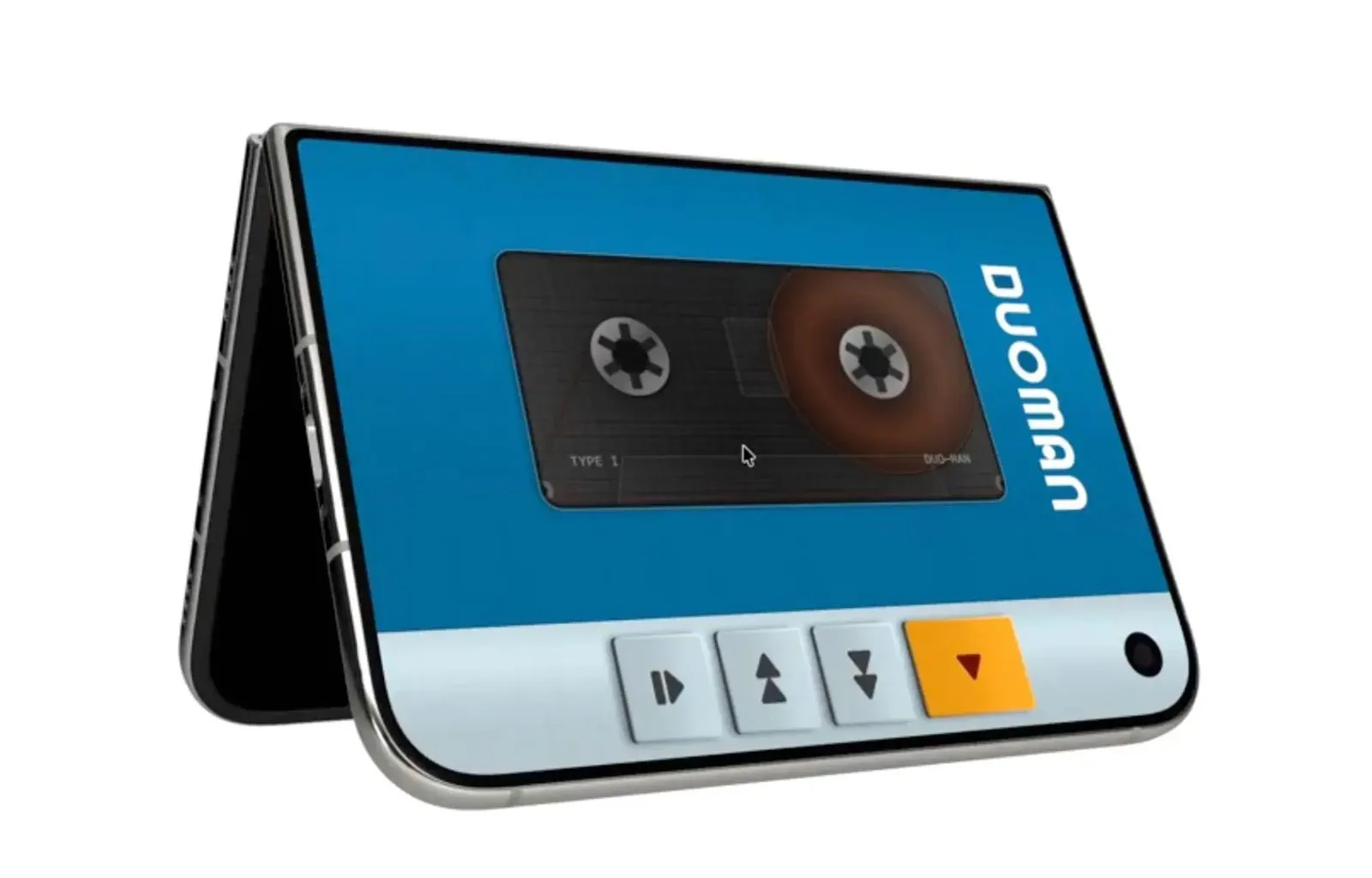
Music remains a fitting part of the wider conversation around artists and portable listening technology, including a recent look at a virtual Walkman-style music playback concept. In this case, however, the relevant story is not a release or a product tie-in: it is an active legal matter that will be decided through the court process rather than online reaction.