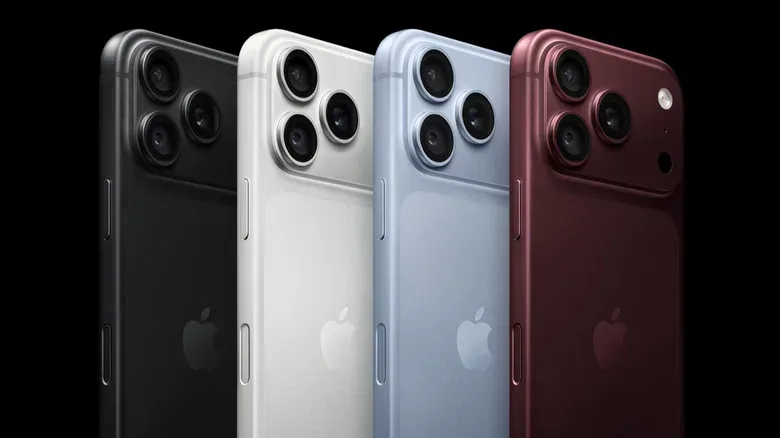
Apple’s iPhone 18 Pro and iPhone 18 Pro Max introduce a variable-aperture camera mechanism, giving the phones a new hardware tool for portrait photography and low-light shooting. It is also an unusually clear example of the bargain inside premium smartphone design: a more sophisticated camera can mean a far less forgiving repair.
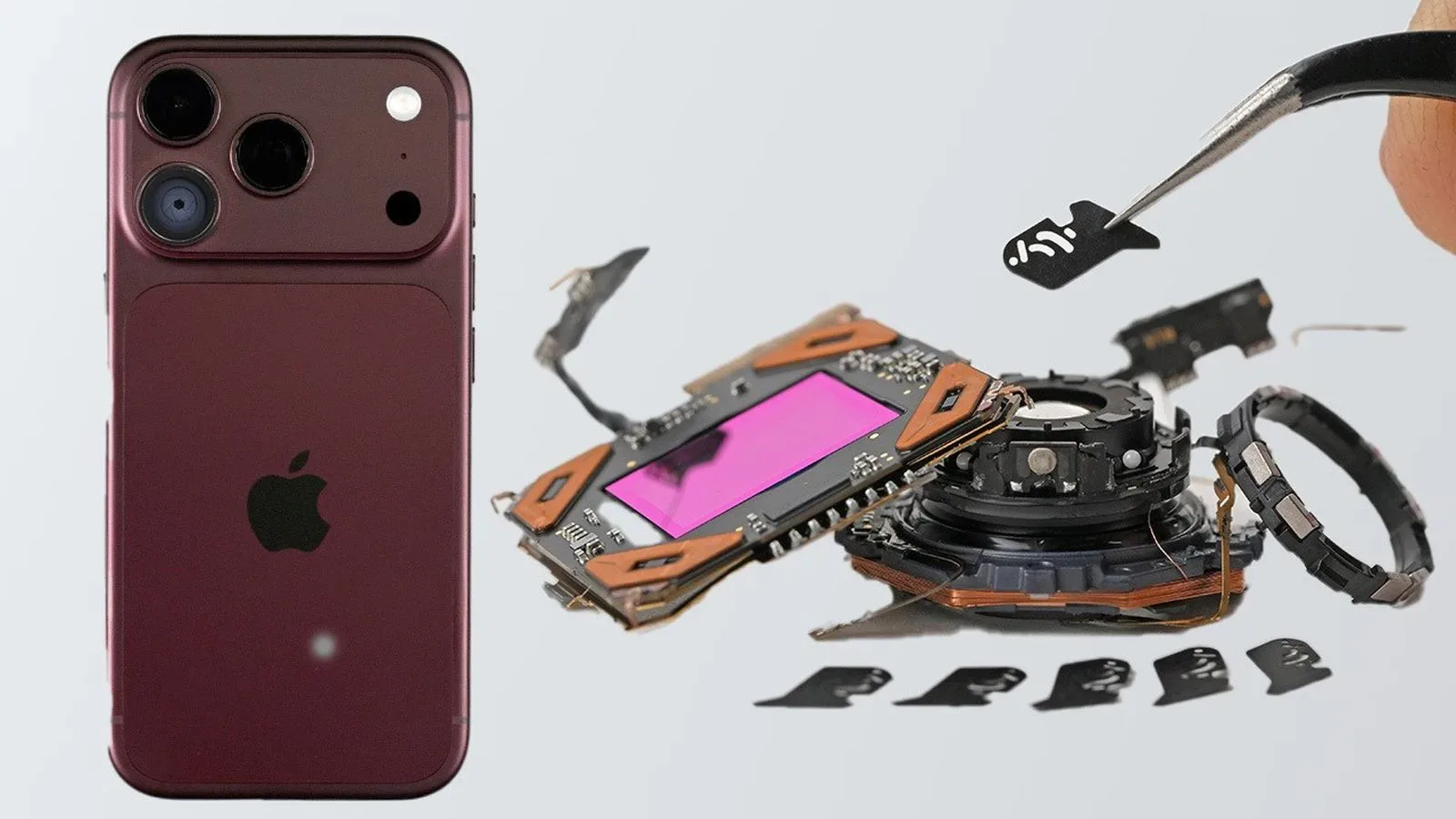
A teardown of the phones found a six-blade aperture assembly in the new camera. Each overlapping blade is said to be about as thin as a human hair. That is a remarkable amount of mechanical precision inside a device designed to live in pockets, bags, car mounts and occasionally the floor. It is also why a damaged mechanism may be less a matter of repairing one tiny part and more a matter of replacing the whole camera module.
The result is not that the iPhone 18 Pro’s camera is inherently unrepairable. The mechanism can be taken apart. But the distinction between can be disassembled and can be reliably rebuilt matters enormously. For most owners—and likely for many otherwise capable repair enthusiasts—the practical repair path may be module replacement rather than a blade-by-blade fix.
What a variable aperture changes
An aperture is the opening in a camera lens through which light reaches the imaging system. A variable aperture can adjust that opening rather than leaving it at one fixed size. In the iPhone 18 Pro and Pro Max, the new mechanism uses six blades that overlap to form that adjustable opening.
The photographic appeal is straightforward. The feature is positioned as useful for portraits and for shooting in low light. Those are two situations where controlling the lens opening can be valuable: portrait shooting is closely associated with managing the visual separation between a subject and its background, while low-light shooting benefits from making the best use of the available light.
What makes the component notable is that it is not merely another software setting or a sealed electronic chip. It is a miniature moving mechanism. The six blades must overlap correctly, move properly, and remain positioned precisely enough for the camera to work as intended. That changes the repair equation.
Six blades, little margin for error
The teardown describes the aperture assembly as a feat of precision engineering, but emphasizes how little room there is for a mistake. The blades are exceptionally thin, and the mechanism’s tolerances are tight. In repair language, tolerances are the very small limits within which parts have to fit and operate. When those limits are narrow, tiny variations in placement, alignment or handling can prevent a mechanism from functioning correctly.
Adhesive adds another complication. The teardown notes that the glues involved are gummy. In a tightly packed camera assembly, adhesive is not a cosmetic detail: it can make removal harder, create resistance during reassembly, and raise the odds that an extremely delicate part does not return to its original position.
Put together, the hair-thin blades, close mechanical tolerances and difficult adhesive make this less like swapping a familiar phone component and more like attempting to restore a miniature precision assembly without an error budget.
Repairable in theory is not repairable in practice
There is an important nuance in the findings. The aperture mechanism is not presented as literally impossible to repair. Instead, it sits near the outer edge of what can realistically be repaired. The teardown assessment is stark: very few repair enthusiasts are expected to have the tools, techniques and knowledge needed to disassemble the variable-aperture mechanism and put it back together in working condition.
That is the practical standard owners should pay attention to. A successful repair needs more than gaining physical access to the part. It requires restoring the part’s function after handling components that are thinner than a human hair. A process that only a very small group of specialists can complete consistently does not offer most owners a meaningful do-it-yourself option.
iPhone camera repairs were already difficult for home users. This mechanism increases both the number of parts involved and the number of ways a repair can go wrong. If the variable-aperture portion of the camera develops a fault or is damaged, the indication is that replacing the entire camera mechanism may be necessary.
That can matter beyond the immediate inconvenience of a repair. A camera module replacement may be more expensive than replacing a typical iPhone camera component, simply because the part is more complex and because its internal mechanism is not likely to be repaired individually. No specific repair pricing is established here, but the design plainly creates the potential for a costlier camera fix than an ordinary module.
Why this matters to owners
For someone choosing between a standard model and a Pro model, variable aperture is one more feature to evaluate as a package. The potential photography benefit is real enough to be a selling point for people who care about portraits or low-light images. But prospective owners should understand that the feature is hardware with moving elements, not an effect that can be updated, reset or restored with software alone.
That does not mean every buyer should avoid it. It means the feature has a maintenance implication. If camera durability, easy self-service and potentially simpler repair outcomes rank above camera flexibility, this design deserves consideration alongside image quality.
Current owners can take a more direct lesson: if the camera is affected by a drop, impact or malfunction, avoid assuming that an aperture-specific issue will be a simple home fix. The fine internal blades and adhesive-sensitive construction make improvised disassembly especially risky. Damaging or misaligning the aperture assembly during an attempt could turn a limited issue into a camera-module replacement.
The same complexity can also affect how a phone is assessed when it is resold or traded in. A phone’s camera is a central part of its value and usability, and a problem in a premium camera mechanism can complicate the decision between repair, trade-in and a private sale. For broader preparation before changing phones, see this guide to trading in or selling an old phone.
A smartphone-camera idea with a mixed precedent
Variable aperture is not completely new to smartphones. Samsung previously used aperture mechanisms in phones including the 2018 Galaxy S9. The image-quality gains did not ultimately justify the feature for Samsung, which later moved away from it.
That history does not determine how Apple’s implementation will perform. It does, however, show why the iPhone 18 Pro’s approach is worth watching closely. Adding a mechanical aperture delivers a distinct type of camera control, but it also adds parts, movement and precision requirements to a phone camera. The payoff has to be meaningful enough to outweigh that complexity.
The early repair picture highlights the other side of the calculation. A feature may be technically impressive and photographically useful while still being a weak point for serviceability. This is not a contradiction; it is the familiar consequence of placing increasingly intricate hardware in a very small enclosure.
Analysis: a premium feature that needs a full-lifecycle test
The right way to judge this variable-aperture camera is not only by asking whether it improves a particular shot. The fuller question is whether its benefits remain worthwhile across the phone’s life: daily use, accidental damage, eventual repair and resale or trade-in.
On the evidence available, the iPhone 18 Pro and Pro Max gain a novel photography-oriented mechanism that could be attractive to camera-focused buyers. At the same time, the internal assembly appears to be extraordinarily demanding to service. Its six blades are tiny; the tolerances are tight; and the adhesive complicates the work. Those conditions make individual repair a specialist task rather than a practical owner-level option.
For repair-minded buyers, that is the headline. The issue is not merely that there are more pieces inside the phone. It is that the component’s most distinctive feature—its ability to move with precision—is exactly what becomes difficult to restore after disassembly. If it fails, replacement of the complete mechanism may be the realistic remedy.
For everyone else, the takeaway is simpler: enjoy the potential portrait and low-light advantages, but treat the variable aperture as a delicate premium camera component. The engineering is impressive precisely because it is so fine. Unfortunately, that same fineness is what makes the repair stakes so high.