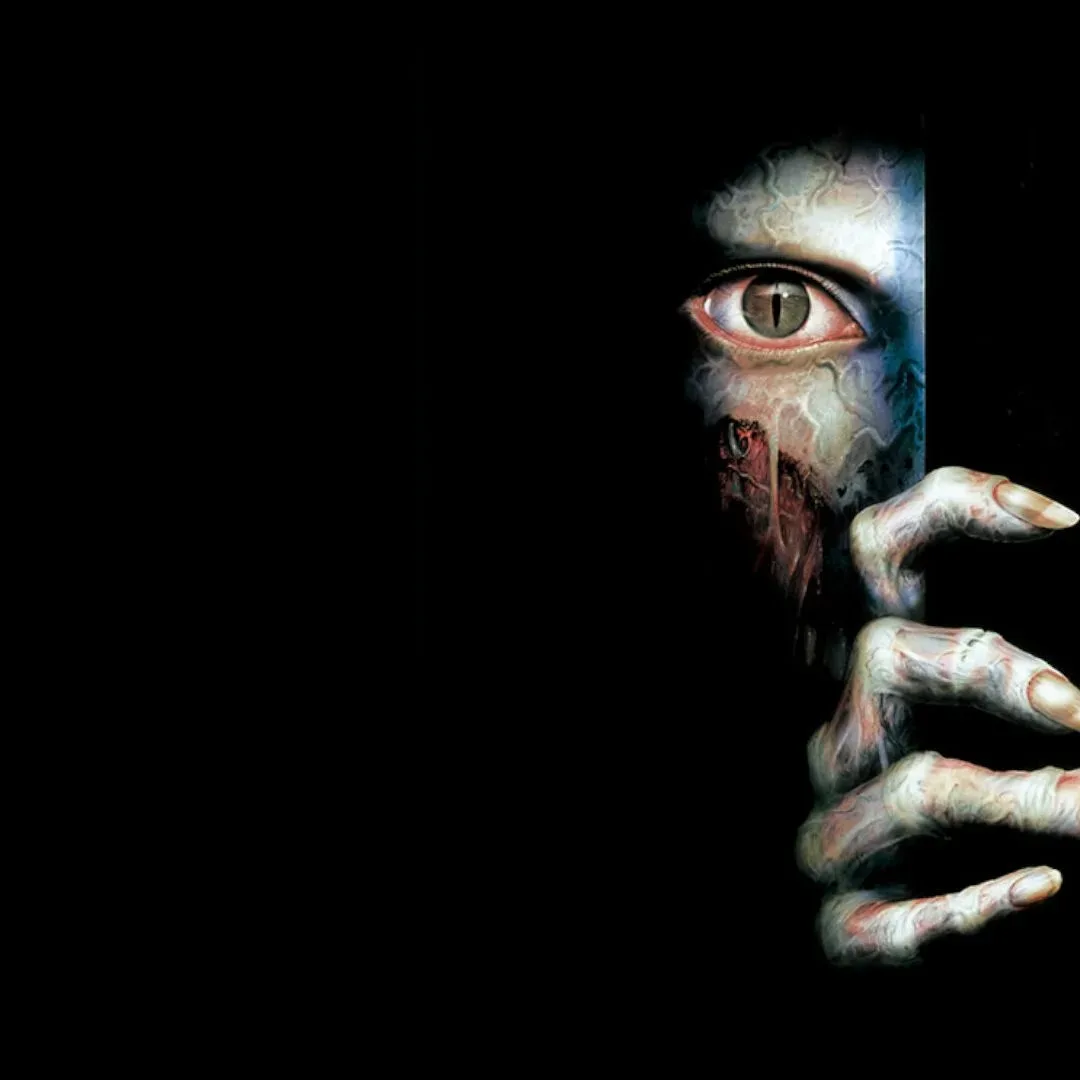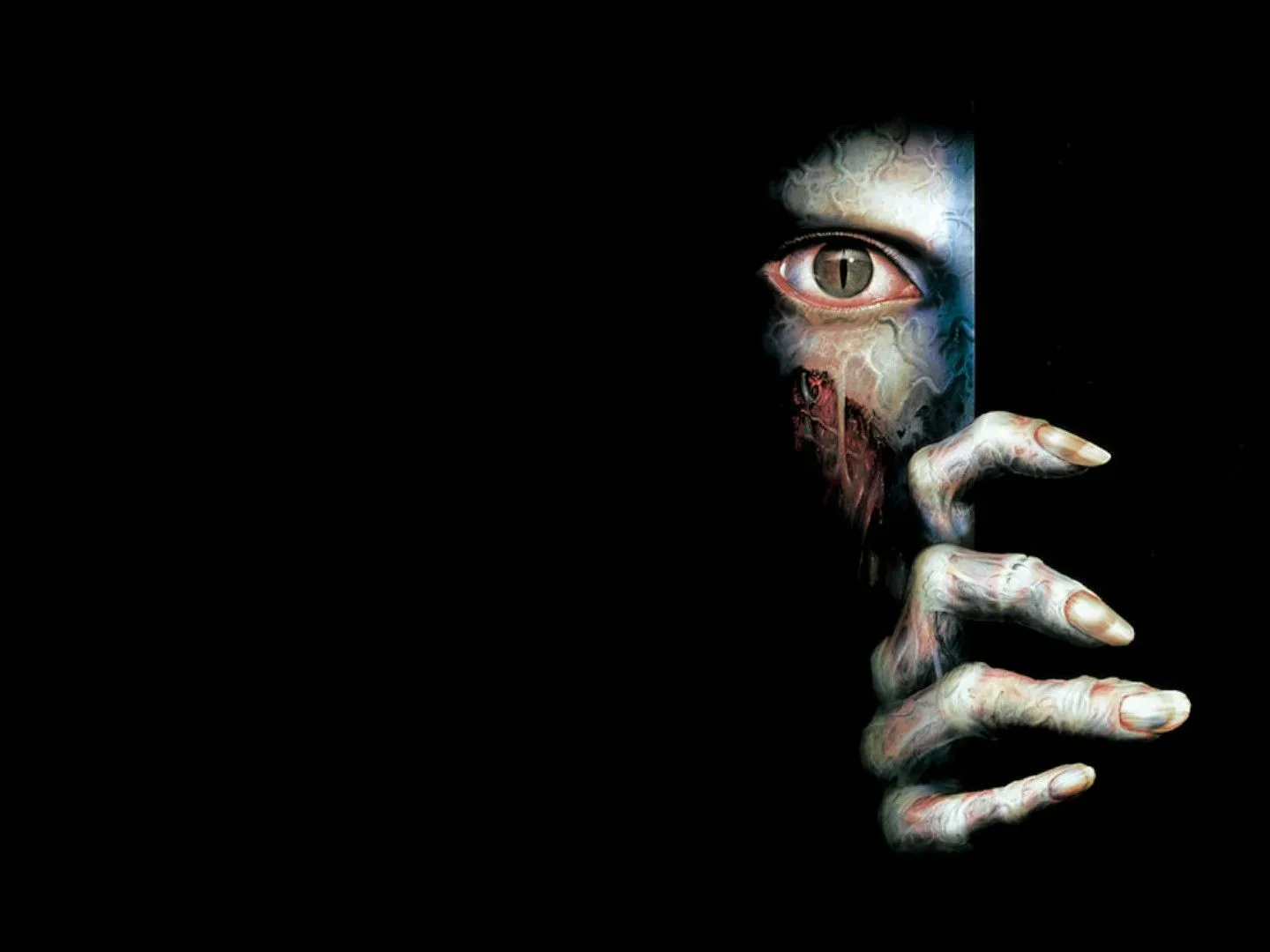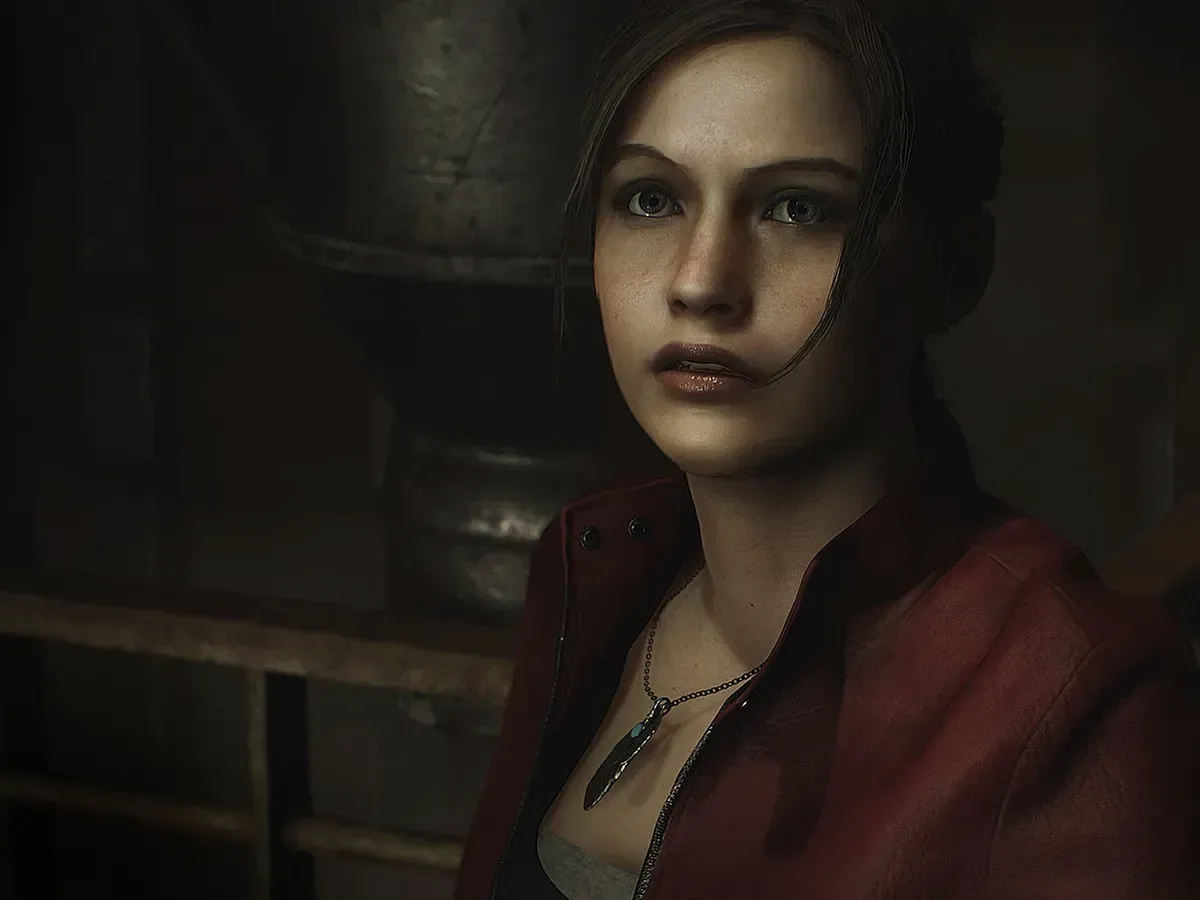
For fans wondering why the modern Resident Evil remake line began with Resident Evil 2 rather than the 1996 original, longtime series producer Jun Takeuchi has offered a clear creative explanation: Capcom believed the first game’s particular brand of quiet, restrained horror might not connect with contemporary players in the same way.
Takeuchi discussed the choice in a book commemorating the franchise’s 30th anniversary. His comments do not amount to an announcement of a new version of the original Resident Evil. They do, however, explain why the company’s major contemporary remake push moved first to the Raccoon City disaster of Resident Evil 2, then continued with remakes of Resident Evil 3 and Resident Evil 4.
“The reason we didn't choose Resident Evil 1 as the first remake is because it's such a stoic game,” Takeuchi said in a translation of the book. “Because it focuses so heavily on the horror derived from its stoicism, we were concerned that it might not resonate with today's game fans.”
That wording deserves some care. The available remarks are translated second-hand, so “stoic” may not perfectly capture every shade of the original phrasing. Still, the broader point is easy to understand from the games themselves. The first Resident Evil is constructed around stillness, isolation, limited information and a gradual escalation of dread. Its haunted-mansion setting is a tightly controlled space, and its early tension comes as much from uncertainty and confinement as from direct spectacle.
A modern remake does not simply receive sharper character models and new lighting. It must decide which parts of an older game’s design remain essential and which must be reinterpreted for a different audience. That makes Capcom’s decision to start elsewhere more revealing than it may initially appear.
Resident Evil 2 was treated as the saga’s practical starting point
Takeuchi also framed Resident Evil 2 as a more natural place to introduce the series’ origins. Its opening establishes the infection consuming Raccoon City, a wider crisis that gives players a direct view of the franchise’s defining catastrophe.
“Furthermore, the Raccoon City incident is essentially the starting point of the Resident Evil saga, so we felt that experiencing that was the best way to introduce the origins,” Takeuchi said.
There is an apparent contradiction in calling the second numbered game a starting point, but it is really a question of accessibility rather than chronology. The original Resident Evil comes first in release order and establishes the initial outbreak-related horror. Resident Evil 2, meanwhile, opens the scope outward: the consequences are no longer secluded in a single ominous location. The city itself has become the disaster zone.
Related coverage includes Why Capcom Started Its Modern Resident Evil Remakes With Resident Evil 2.
That scale gives a remake an immediate dramatic hook. Players are dropped into the crisis as it unfolds and can grasp the stakes without first learning the older game’s deliberately slow language of fixed shots, carefully rationed resources and mansion-bound exploration. It is a compelling gateway whether someone is encountering the series for the first time or returning after years away.
The choice also makes sense as an introduction to the modern remake philosophy. The newer remakes are not simply preservation projects. They revisit recognizable stories and settings using a contemporary third-person presentation, while adapting the feel and structure of earlier games. Beginning with Resident Evil 2 communicated that this would be a new way to experience familiar material, not just a visual touch-up of every old system.
Why the original’s design remains a difficult remake question
The first game is hardly absent from the series’ history. It received a remake in 2002, but that version is substantially more faithful to the original’s underlying approach than the later remakes of Resident Evil 2, Resident Evil 3 and Resident Evil 4. It retains the classic static-camera style and tank controls associated with the early games.
Tank controls refer to an input scheme where directional movement is tied to the character’s facing direction: pressing forward moves the character forward, while left and right turn them. That can feel unintuitive to players accustomed to direct analogue movement, but it was intertwined with the original games’ camera design. Because cameras were positioned at fixed angles, a consistent character-relative control system helped avoid sudden changes in direction whenever the view shifted.
Static cameras, similarly, are more than an old technical quirk. By selecting exactly what a player can and cannot see, they help create suspense. A camera can conceal a threat around a corner, turn a hallway into a suspiciously empty frame, or leave an unnerving stretch of space just outside the player’s view. The design is restrictive on purpose: uncertainty is part of the horror.
The original games also used mechanisms that can feel dated or demanding now. Ink ribbons, for example, were used for saving in the classic survival-horror model. They made saving a finite resource rather than a routine convenience. That pressure supports the genre’s survival side, because every decision carries some risk, but it can also create friction for newcomers who expect a more flexible checkpoint or save system.
None of those elements automatically prevent the original from resonating today. They do explain the adaptation challenge. A full modern reimagining would need to preserve the mansion’s oppressive pace and controlled mystery without relying on every control and camera convention that shaped the 1996 release. If it changed too little, players unfamiliar with that era could find the structure difficult to approach. If it changed too much, it could lose the restraint that made the first game distinctive.
“Stoic” horror is not the same as a lack of action
Takeuchi’s description should not be read as a claim that the original has no urgency. Rather, its horror often comes from withholding. The player is made to live with quiet corridors, limited supplies, unfamiliar rooms and the knowledge that danger may be present without being immediately visible. The experience asks players to slow down and absorb an atmosphere before it reveals more.
That is a notably different proposition from starting with a city already overwhelmed by infection. The first game can make stillness itself threatening. Resident Evil 2 introduces a larger emergency almost immediately. Both approaches belong to survival horror, but they supply different first impressions of what the series is.
In practical terms, Capcom’s remarks suggest that accessibility was not only about mechanics. It was also about pacing and emotional onboarding. A newcomer may more readily understand a story when the central disaster is visible from the beginning, rather than being uncovered piece by piece through the deliberately insulated setting of the first game.
What this does—and does not—say about a new RE1
There have been rumors that a new remake of the first Resident Evil could be in early development. At present, though, there has been no official announcement and no firmly substantiated reporting establishing that such a project is happening. Takeuchi’s retrospective explanation should therefore not be treated as confirmation of one.
What it does provide is a useful lens for understanding any future attempt. A new version would not face the simple task of making the original look newer. It would face a creative balancing act: retain the claustrophobic identity of the mansion incident while making its deliberate rhythms legible to players whose expectations have been shaped by later games.
That is why the 2002 remake matters in this conversation. It demonstrates that the original’s framework can be revisited while retaining much of its old-school language. The later remakes demonstrate a different route, translating past games into a more contemporary third-person form. An eventual new take on the first game, if one is ever announced, would invite inevitable scrutiny over which route it follows—and whether it can make the original’s restraint feel intentional rather than merely antiquated.
Capcom’s stated reasoning also offers a reminder that remake order is not always a ranking of importance. Starting with Resident Evil 2 did not mean the original lacked value. It meant the second game was viewed as the most effective door into the larger Raccoon City story and the right showcase for a modernized direction.
That kind of calculation is part of the wider game-business question of how developers adapt established work for new audiences, alongside other industry pressures and debates such as the concerns around AI’s effect on judging student-made games in the Australian STEM Videogame Challenge’s planned end. The details are very different, but both underline how technological and audience changes can force creators and organizers to reconsider familiar formats.
The Raccoon City route remains understandable
For players deciding where to begin, Takeuchi’s explanation reinforces the straightforward case for Resident Evil 2: it delivers a recognizable survival-horror foundation while presenting the Raccoon City incident as a major narrative ignition point. The original remains foundational, and its 2002 remake remains the available route for those who want to experience its more traditional structure.
The unanswered question is whether Capcom will eventually decide that the first game’s “stoic” horror can be reintroduced in a fully modern form. For now, there is no confirmed project to discuss. But the producer’s comments make one thing clear: skipping directly to Resident Evil 2 was a deliberate decision about tone, player expectations and where the company believed the series’ modern remake journey could begin most effectively.