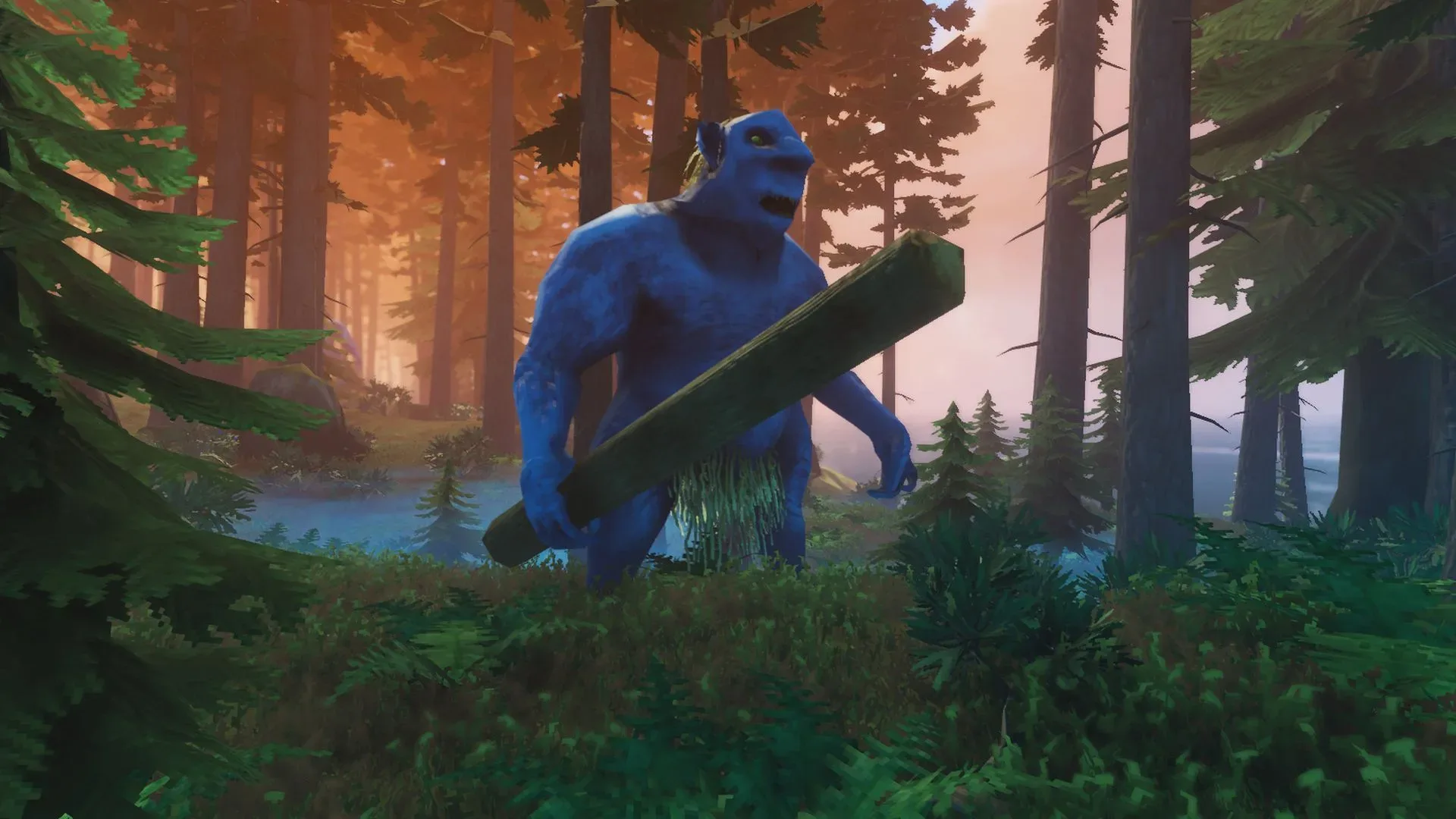
Some cities name streets after politicians, poets or local landmarks. Skövde, Sweden, has elected to put a different kind of local achievement underfoot: blockbuster video games. The town’s Walk of Game recognizes titles with deep development roots in Skövde, a community of roughly 58,000 people that has become strikingly productive in PC game development—especially games built around survival, cooperation and spectacularly repeatable chaos.
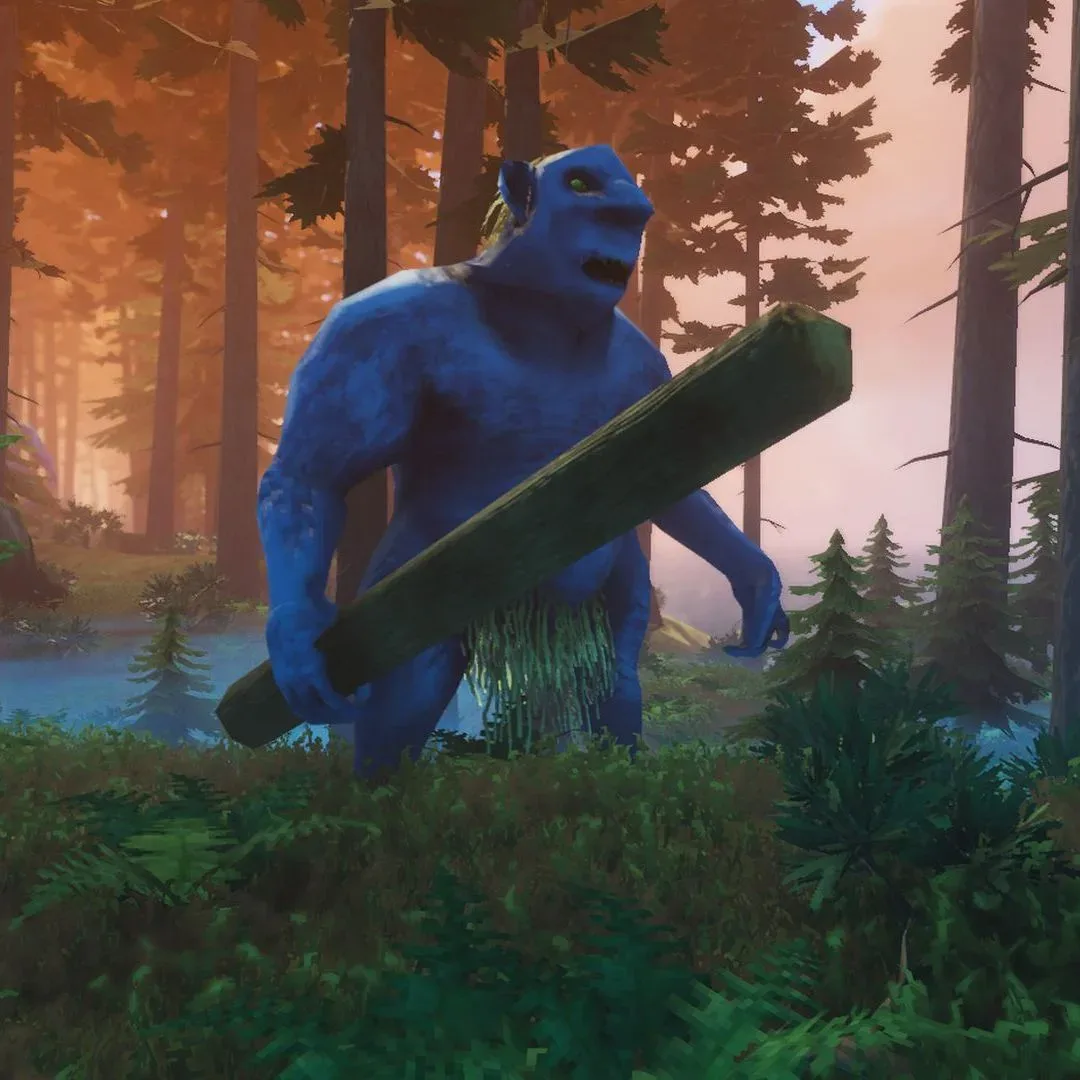
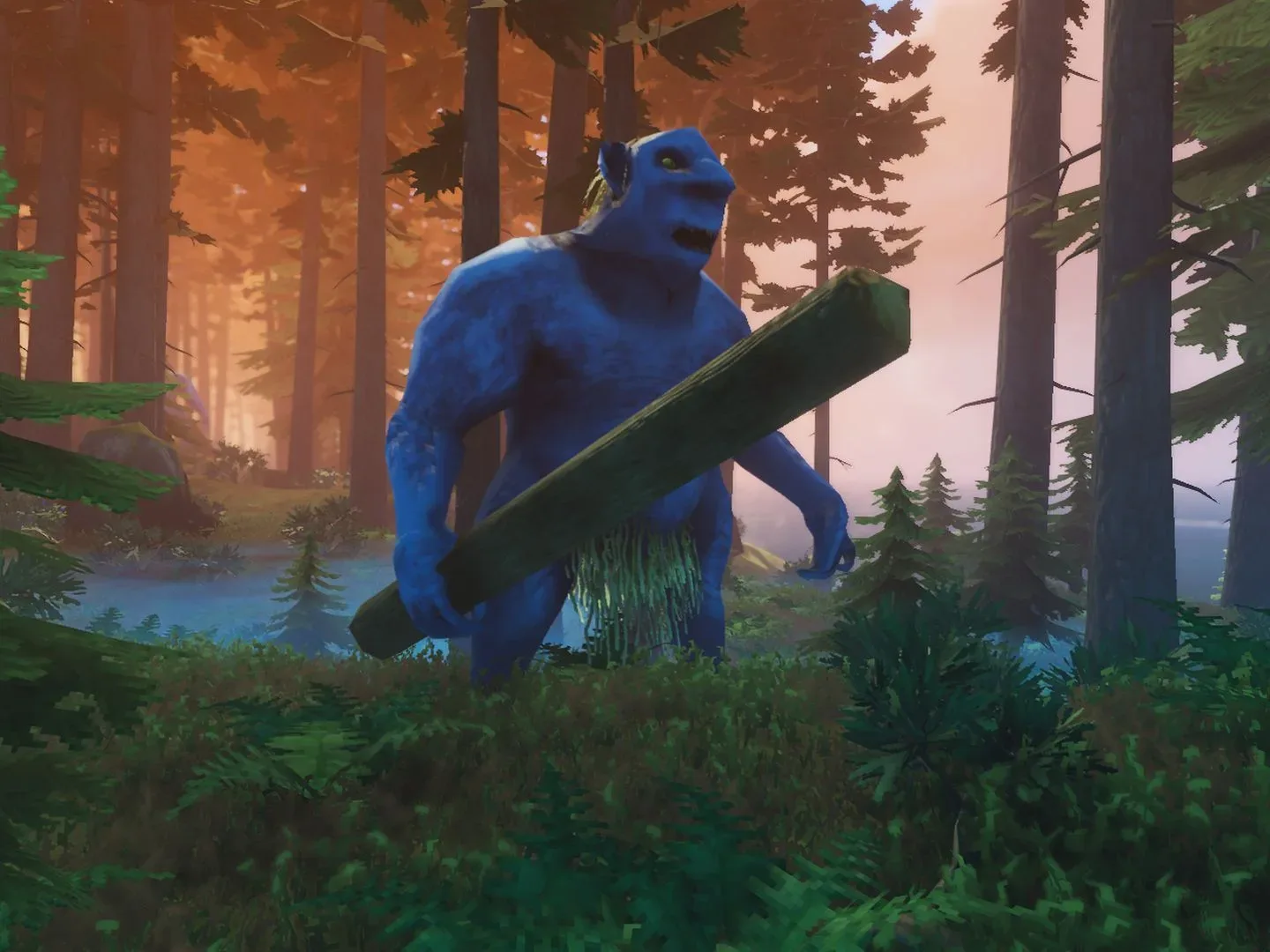
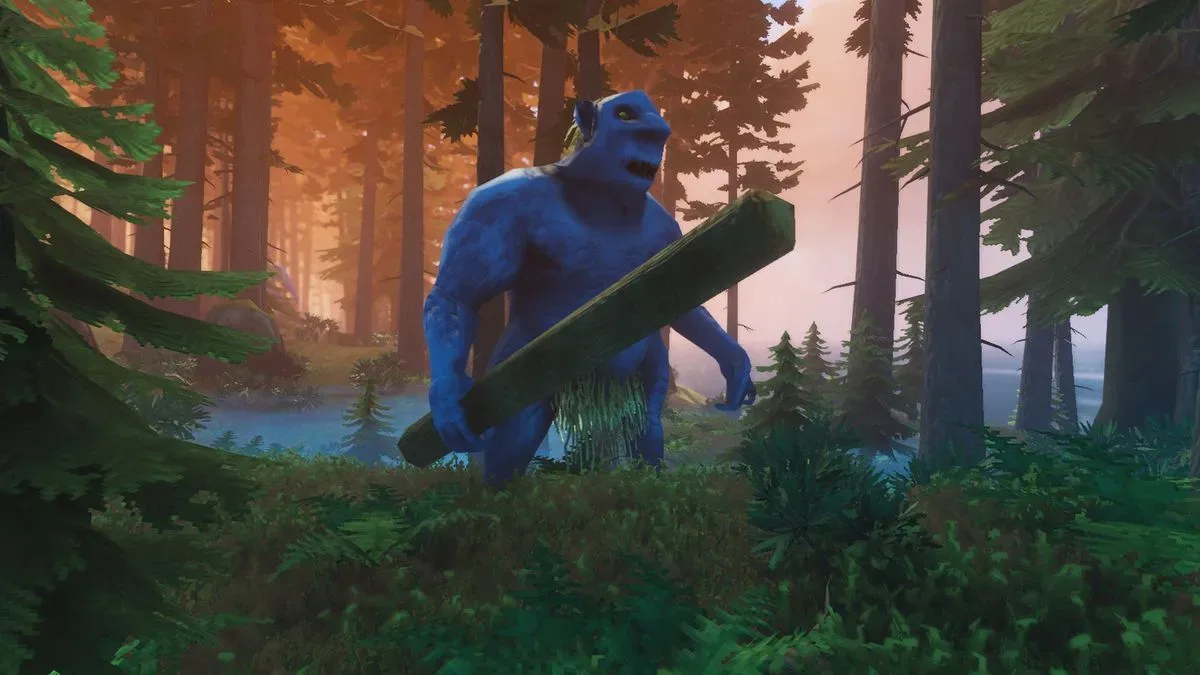
The games already represented include Valheim from Iron Gate, Raft from Redbeet Interactive, V Rising from Stunlock Studios, plus Coffee Stain Studios’ Goat Simulator and Satisfactory. The newest game identified for the Walk of Game is RV There Yet, a cooperative driving game centered on getting an enormous RV along a wildly hazardous road with friends.
It is an unusually visible civic nod to a sector that can otherwise be hard to see from the outside. Games may be sold worldwide through digital storefronts, played on home PCs and discussed in online communities far from the studios that made them. A permanent marker in a town sidewalk makes the local work behind those games tangible. More importantly, Skövde’s eligibility rules make clear that the project is meant to celebrate more than a company address or a passing association.
The rules: major reach and meaningful local work
Skövde’s Walk of Game is not framed as an open-ended list of every game made in the town. A title must have sold at least 3 million copies. Free-to-play games have a different threshold: at least 15 million downloads. In either case, at least 50% of development hours must have been completed in Skövde.
Those two standards measure very different things.
- Sales or downloads measure audience reach. They establish that a game connected with a huge number of players, whether people bought it outright or downloaded it for free.
- Development hours measure substantive local participation. A game can be associated with a town in branding or business terms while much of its work happens elsewhere; the 50% rule is designed to distinguish a genuine production base from a loose connection.
The result is a selection process that rewards commercial scale while tying that success to the people doing the work locally. It also avoids treating a single genre, platform or business model as the only kind of accomplishment worth marking. A paid game can qualify through copies sold, while a free game has a download benchmark appropriate to its distribution model.
That said, the stated thresholds create one point worth keeping separate from the reported early performance of RV There Yet. The game reportedly sold more than 2 million copies in a week after being made in less than two months. That is a major launch by any reasonable measure, but it is not itself the 3 million-copy figure listed in the Walk of Game criteria. The available information identifies RV There Yet as the latest title enshrined, but does not explain whether its sales later crossed the stated bar or whether another detail of its inclusion applies. It would be wrong to turn that one-week figure into a claimed 3 million-copy milestone.
A shared thread, without one formula
It is tempting to reduce Skövde’s output to “the survival-game town,” and survival is plainly an important part of the picture. Valheim, Raft and V Rising all sit near a broad family of games where players gather resources, confront dangerous environments or enemies, improve their capabilities and often cooperate with other players. But the Walk of Game lineup also shows why that label is incomplete.
Related coverage includes Skövde Celebrates Its Survival Game Legacy With a Growing Walk of Game.
Goat Simulator is built around unruly, comic disruption. Satisfactory focuses on systems and construction. RV There Yet is presented as a group effort to guide a massive vehicle through an absurdly dangerous route. Their shared quality is not a single mechanics checklist. Rather, these are games that can create situations players want to share: a dramatic setback, a successful plan, a strange collision of systems, or a task that becomes more entertaining because other people are involved.
That distinction matters. “Survival game” is a broad genre label, generally describing games in which players contend with threats and scarcity while crafting, building or exploring. It does not automatically explain why a particular title catches on. Cooperative design can help, but cooperation itself covers many structures: players may split jobs, rescue one another from mistakes, build a shared base, or simply turn a difficult journey into a social event.
Skövde’s recognized catalog suggests a local development community with range inside and around these player-driven formats. There are games about surviving, building, simulating, battling and causing trouble, but many have systems that give players stories to tell after the session ends. That is a practical strength for games attempting to break through in a crowded PC market: strong systems can generate not only long play sessions but conversation between players.
RV There Yet adds a rapid-hit story
RV There Yet is notable within the group for the speed attached to its reported rise. It was developed in under two months and went on to sell more than 2 million copies over a week. The game’s premise is immediately understandable: friends work together to get a huge RV home across a dangerous road. A simple premise is not the same thing as simple development, and the short development time should not be romanticized as a universal production blueprint. Still, the reported result illustrates how a focused idea can travel quickly when it produces a clear social challenge.
The description also places the game in a wider wave of multiplayer titles frequently grouped under the informal term “friendslop.” The word is not a technical genre category. It is slang, often used jokingly, for games that friends can pick up together for chaotic, low-friction entertainment. The label can be dismissive, but it points to a real design appeal: players do not necessarily need a vast fictional world or long onboarding before they have a reason to communicate, improvise and laugh at a shared failure.
For RV There Yet, the dangerous-road setup appears to provide that immediate objective. The RV is the focal point; the road supplies the obstacles; the group has to work together. It is a compact arrangement, but it creates space for the sort of tense or ridiculous moments that multiplayer communities tend to circulate. The available details do not establish the game’s long-term trajectory, its total lifetime sales, or all of its design features. What they do establish is a remarkably fast early commercial result for a title with a concise cooperative hook.
Why an incubator and university pipeline can matter
The developers of RV There Yet offered a straightforward explanation for Skövde’s unusually dense development community: the local university has a game-development course, and an incubator helps graduates start companies. Together, they described that combination as producing a very high concentration of game developers relative to the town’s population.
An incubator is an organization or program intended to help young companies get established. The exact support can vary, but its function is to lower some of the practical barriers that stand between an idea and a functioning business. In a game-development setting, that kind of support can be particularly relevant because a new team needs more than artistic or programming skill. It must organize production, make a game people can understand, and sustain itself while doing so.
A university course, meanwhile, can provide a recurring entry point for people learning the discipline. On its own, education does not guarantee a successful studio. An incubator does not guarantee a hit either. The important point is the possible connection between the two: graduates have a local route from training toward founding or joining companies, rather than needing to leave the area immediately to find a development network.
That can create a feedback loop. Established studios demonstrate that a career can exist locally. New developers enter through education, build contacts and form teams. Their successes make the location more attractive to further aspiring creators. None of this makes hit games predictable—sales thresholds on the Walk of Game are proof of how rare broad success remains—but it helps explain how a smaller town can repeatedly support teams capable of reaching a global audience.
For players, the lesson is less about civic policy than about where the next interesting game can originate. Big games do not only emerge from the most obvious global hubs. Skövde’s markers now document a cluster of titles that found audiences well beyond Sweden, and the collection spans distinct approaches to multiplayer play and systems-driven design.
A public record of game-development labor
The Walk of Game’s 50% development-hours requirement is arguably its most revealing feature. Popular games are usually discussed through player counts, sales, updates, streaming moments and reviews. Those are meaningful measures, but they can hide the geographic and collaborative reality of making games. By requiring that a majority of production hours occur in Skövde, the city is commemorating the workforce and studios behind the releases—not merely a logo headquartered nearby.
That local emphasis is especially fitting for games such as Valheim, Raft, V Rising and Satisfactory, where players may spend dozens or hundreds of hours within elaborate systems. Long-running PC games often build their identity gradually through player communities, but the infrastructure supporting that work begins with teams, skills and places. Skövde’s project gives the physical town a visible share in an industry whose finished products are largely digital.
It also offers a more concrete form of recognition than a generic claim to be a “gaming hub.” The rules are public in principle, the qualifications are measurable, and the honored games are familiar enough to supply the evidence of international reach. Players passing through are not being asked to admire an abstract aspiration; they can see which games the town connects to its own development history.
There is no basis yet to predict which Skövde studio or game will be next. A Walk of Game cannot manufacture another breakout, and a compact development cycle like RV There Yet’s is not a recipe every team can reproduce. But the existing lineup makes the town’s record unusually clear: a place with around 58,000 residents has contributed materially to several games that reached millions of people.
That is worth recognizing in the pavement—not as a claim that every hit needs the same origin story, but as evidence that local training, new-studio support and a dense creative community can leave a global mark. For another example of the kind of sustained player engagement that can surround a PC game, see this look at Path of Exile’s build freedom and long-term appeal.