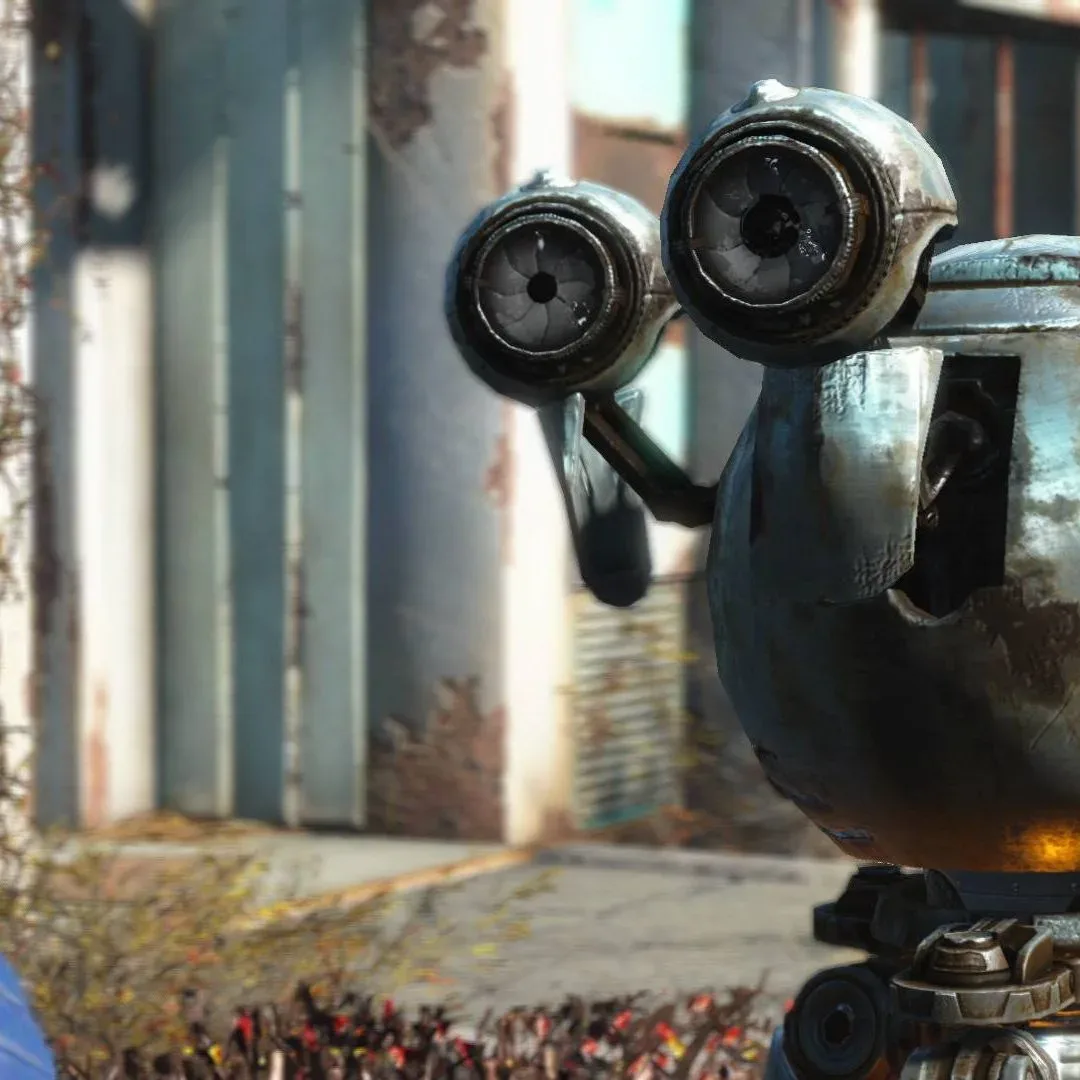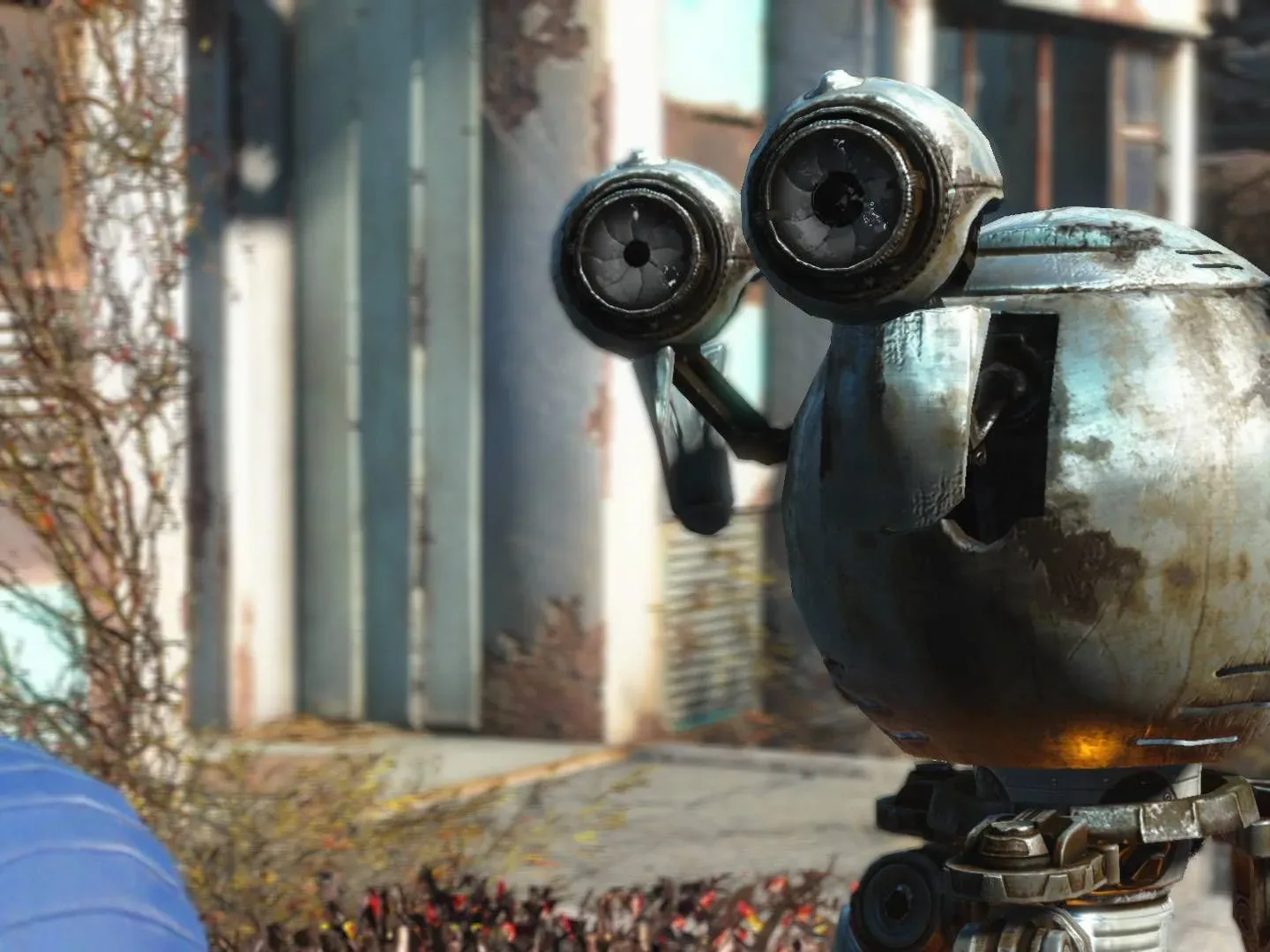
A fan-built browser game titled Fallout: New York has apparently been taken offline after its creator shared what they described as a cease-and-desist notice from ZeniMax, Bethesda’s parent company. The project had attracted substantial attention after a video of it spread across social media, but its visibility also put a familiar problem facing fan creations squarely in view: enthusiasm, non-commercial intent and technical novelty do not turn a protected franchise into an open playground.
The project was presented as a free Fallout-inspired game set in New York and made with Claude Opus 5.5. Its creator characterized it as a technology demonstration rather than a commercial release. Before the apparent takedown, they said it contained 117 locations, 112 characters and 46 weapons. It also reportedly had no conventional audio files, with sounds instead being generated through code.
Those numbers explain why the project caught eyes. A browser-based fan experiment with a city-sized setting, a large character list and a sizeable weapon roster is a much more attention-grabbing proposition than a static mock-up or a one-room prototype. The accompanying video had reached 3.5 million views at the time described, bringing both praise and sharp skepticism about AI-generated game work.
What is known—and what remains unclear
The key word in this situation is apparent. The creator posted what they said was a cease-and-desist notice, and the game is no longer available. That is enough to establish the practical result: players can no longer access the project. It does not, however, provide a full public account of the specific claims in the notice, the precise materials objected to, or any private exchanges that may have preceded it.
That distinction matters. A cease-and-desist is generally a demand that someone stop an activity alleged to infringe rights or otherwise violate legal interests. It is not the same thing as a court ruling. Yet it can still have an immediate effect, especially for a small, free web project with no obvious reason or resources to contest a demand. In this case, the creator said “the suits got involved and the fun is over,” while apologizing to people who had enjoyed the game.
Nothing in the available information suggests that Fallout: New York was sold. The creator had previously stressed that it was free and made no money. That point is relevant to how fans understand the project’s intentions, but it is not a guaranteed shield for a work using another company’s franchise. A fan project can be non-commercial and still use protected names, settings, characters, visual identity or other elements associated with an established series.
Why the “free tech demo” defense has limits
There is a practical difference between saying a work is not for sale and saying it is authorized. The former describes a creator’s business model; the latter concerns permission. Fallout is an identifiable game property, and a project explicitly branded as Fallout: New York necessarily asks audiences to connect it to that property rather than treating it as an unrelated original post-apocalyptic game.
That is the central tension behind fan games. Creators often see them as tributes, portfolio pieces, mod-adjacent experiments or expressions of demand for a new setting. Rights holders may instead see a public, playable project that uses their branding and may cause confusion about what is official, compete for attention around the property, or establish an example other projects might follow.
Related coverage includes Fallout: New York Fan Browser Game Removed After Apparent ZeniMax Legal Notice.
The fact that the game ran in a browser does not make it less public. If anything, browser delivery can lower the barrier for an audience to try it: no install, no store listing and no dedicated hardware required. The project’s traction illustrates that accessibility. It was not merely a private experiment on a developer’s machine; it was a public-facing use of Fallout’s identity that rapidly reached millions of viewers through its promotional clip.
For players, this does not mean every homage is doomed or that every game inspired by a favorite series is automatically a problem. The safer creative route is usually to make the inspiration less literal: build a new world, use original names, develop an independent visual language and avoid presenting the work as an entry in somebody else’s series. A familiar genre can inspire a project; a recognizable brand makes the legal and practical stakes very different.
AI made the project notable, not exempt
Fallout: New York became a flashpoint partly because it was made with Claude Opus 5.5. That technical angle has generated two very different reactions. Supporters see a rapidly assembled interactive project with dozens of locations and characters as evidence that creative tools can help individuals turn an idea into something playable. Critics see the result as another example of automated output being treated as a substitute for deliberate game design and authored craft.
Both reactions can coexist without changing the rights question. AI is a method of producing or assisting content; it is not a permission system. Whether a creator writes every line by hand, assembles a game in an engine, uses procedural tools or relies on a language model, the public use of a protected franchise remains a separate issue.
It is useful to separate a few terms that are often bundled together in conversations like this:
- Generative AI: software used to generate material such as text, code, images or design suggestions from prompts and other inputs.
- Browser game: a game accessed through a web browser rather than installed as a traditional local application.
- Tech demo: a project intended primarily to demonstrate a technical capability. Calling something a tech demo may explain its purpose, but it does not itself determine whether branded material can be used.
- Fan game: an unofficial game built around an existing property. It may be made with affection and offered free, but it is not an official product unless the rights holder has authorized it.
The project’s claimed absence of audio files is another interesting technical detail, though it does not resolve the larger issue. Code-generated sound may be a way to avoid relying on pre-existing sound assets, but a game can still identify itself with a franchise through its title, setting and broader presentation. A project can be technically inventive while remaining legally vulnerable because of the property it chooses to adapt.
New York is the point—and part of the complication
Fan interest in a Fallout game set in New York is easy to understand from the project’s premise. A new city offers fresh spaces for players to imagine within a post-apocalyptic role-playing framework. It is also a powerful hook for a fan work: attach a famous series name to a famously recognizable location, then promise an unexplored variation on that world.
But that hook is also why the project is more than a generic wasteland game. “Fallout: New York” presents itself directly as a Fallout experience and invites audiences to approach it as one. The creator’s own frustrated response after the removal made clear that this was not a vague genre exercise; it was born from a desire for another Fallout game.
“How about you make a Fallout game instead so I don’t have to?” the creator wrote in response to the apparent notice.
The line captures a common fan sentiment: when an official series is not delivering the exact sequel, city, mechanic or format someone wants, the temptation is to build it independently. That impulse produces ambitious projects, but it also makes clear why rights holders monitor them. The more convincingly a fan project appears to fill the role of an official installment, the more attention it is likely to draw.
A lesson in visibility for fan developers
The story is also a reminder that virality can change the risk profile of a hobby project overnight. The creator initially expressed hope that a free, no-revenue experiment would be left alone. A social-media post, however, can take a small demo from a niche audience to millions of views in a remarkably short time. Once that happens, branding, presentation and public availability matter more, not less.
There is no evidence here that the creator intended to mislead anyone about who made the game or whether it was official. Still, intent is only one factor in the real-world decision to host a fan project. A rights holder does not need to wait for a project to charge money before deciding that it should not remain publicly accessible.
For developers interested in showing off AI-assisted workflows, the durable takeaway is straightforward: demonstrate the workflow with original material. An original post-apocalyptic setting can still prove that a browser game can contain many areas, characters, items and code-produced sounds. It may even communicate the accomplishment more clearly, because discussion can focus on the design and technical process instead of immediately shifting to the fate of a borrowed brand.
That does not eliminate the challenges of building a game. A high count of locations or weapons is not, by itself, proof of depth, balance, meaningful quests or a polished player experience. But a creator who owns their setting has room to iterate, distribute updates and let the work stand as a long-term demonstration rather than a temporarily accessible curiosity.
There is a broader lesson for audiences, too. A viral clip can show that a prototype exists, but it cannot establish that the work will remain online, receive continued development or turn into an official release. Those are separate questions. The removal of Fallout: New York makes the gap unusually visible.
What this means for Fallout fans
For fans who saw the project as a glimpse of a possible new Fallout location, the immediate answer is disappointing: this particular browser game is gone. The available details do not indicate an official New York project, an agreement with Bethesda or a path for this fan work to return under the Fallout name.
For the AI debate, it is a less tidy answer. The project demonstrated how quickly tools can help one person assemble something that looks expansive enough to travel widely online. It also demonstrated that speed of creation does not solve authorship, quality or rights questions. AI-assisted game development may make prototypes easier to produce, but it does not erase the need for original ideas, considered design and permission when someone else’s universe is involved.
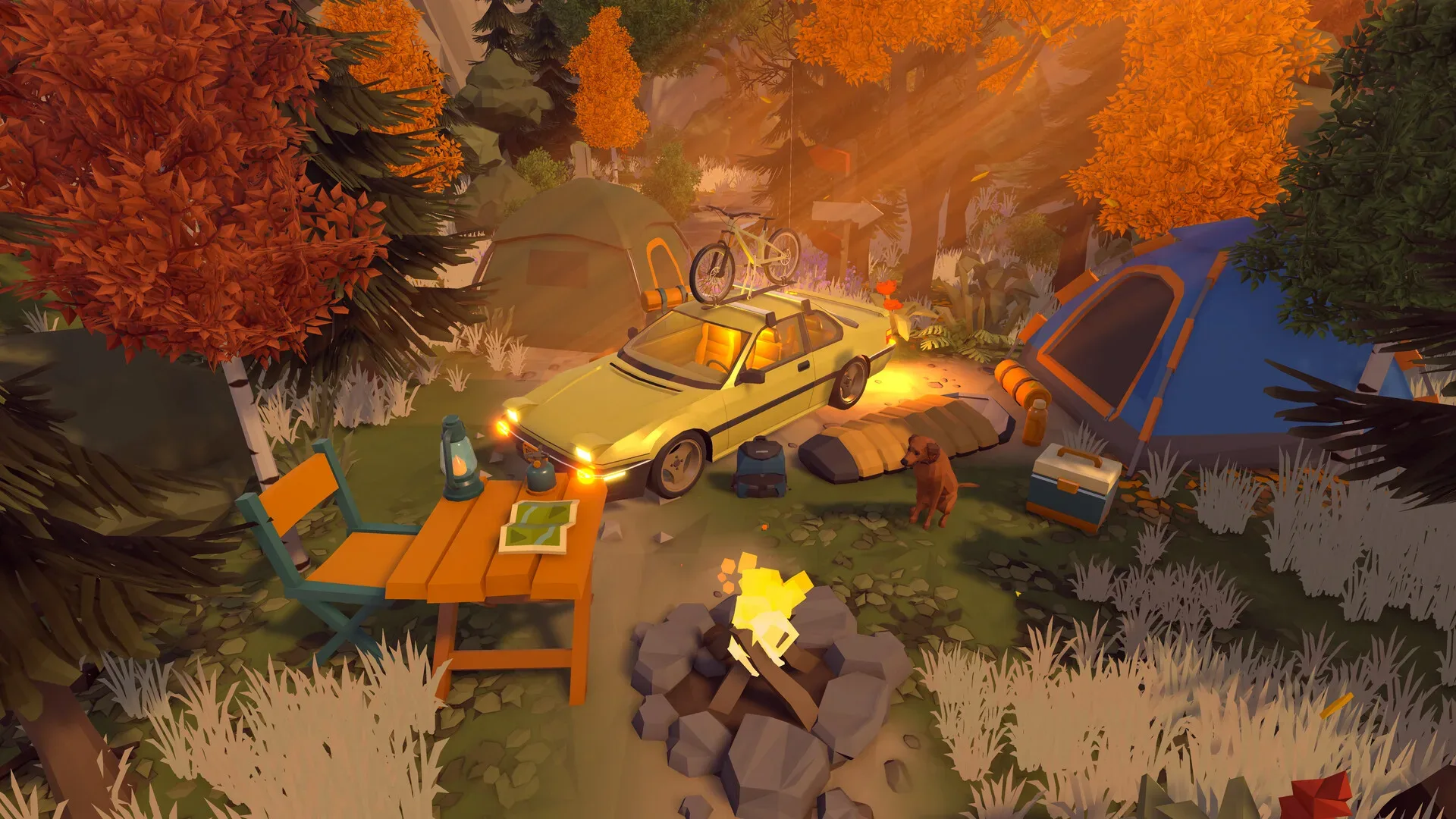
And for anyone following browser-based game experiments, it is worth keeping an eye on projects built from the ground up rather than attached to an existing franchise. Recent PC announcements such as I Know a Spot’s open-world update show the practical upside of creators developing and extending their own worlds: the conversation can stay on the game and its updates, rather than whether its name will survive the week.
Fallout: New York’s brief run may be remembered as much for the argument around it as for its stated 117 locations or its code-made sounds. It was an eye-catching fan tech demo, a test case for the limits of “free” AI projects, and another reminder that a recognizable franchise name can provide instant attention while bringing equally immediate consequences.