
ByteDance may be preparing to put another AI character on the increasingly crowded digital board. The company is reportedly readying an AI assistant that could be unveiled in the coming weeks, with the planned product said to serve a role similar to Meta’s Muse.
That is the meaningful part of the report—and also the boundary of what is currently known. There is no confirmed product name, no feature list, no stated release date, and no indication of exactly where the assistant would appear. ByteDance had not responded to a request for comment at the time of reporting. For now, this is a report about a product in preparation rather than a formal product announcement.
Still, the comparison to Muse provides a useful frame for why ByteDance’s potential move matters. Muse has already attracted more than 10 million users, and Meta CEO Mark Zuckerberg has said he expects the agent to generate more revenue per user than the company’s existing family of apps. Meta also expects Muse to be important to its AI glasses plans and has previewed a standalone device described as a “charm.”
In other words, the contest is not simply about making a chatbot that can answer a question. The bigger ambition is an AI agent: software intended to act as a more persistent, personal assistant rather than merely respond to isolated prompts. The challenge is that an assistant becomes more useful when it knows more about its user—and that same closeness makes questions about data access and privacy much harder to ignore.
What is actually being reported
ByteDance is reportedly developing an AI assistant positioned against Meta’s Muse. The report does not establish what the assistant will be called, the tasks it will handle, what services it could connect to, or the markets and platforms where it may appear.
It is likewise unclear whether ByteDance intends to attach the agent to any hardware. That distinction matters because Meta’s strategy for Muse extends beyond an app: the agent is expected to play a role in AI glasses, while the company has also previewed a separate “charm” device. ByteDance’s possible assistant should not be assumed to have an equivalent hardware component simply because its reported rival does.
That lack of detail leaves a sizable gap between a competitive intent and a product comparison. “Similar role” can describe a broad strategic category without meaning the products will have matching interfaces, capabilities, data policies or devices. Until ByteDance provides specifics, the sensible reading is that it may be building a personal AI assistant, not that every part of Meta’s approach has a direct counterpart.
Why Meta’s Muse is the obvious benchmark
Muse offers a visible target because it has already reached more than 10 million users and sits within a broader push by Meta to make an AI agent part of a user’s daily technology mix. Zuckerberg’s expectation that it could earn more revenue per user than the company’s existing apps signals that Meta sees the agent as more than an experimental feature.
Related coverage includes ByteDance Reportedly Prepares an AI Agent to Challenge Meta’s Muse.
An AI agent is a useful term to unpack here. In everyday usage, a conventional AI chat tool is primarily reactive: a person asks a question, and the system returns an answer. An agent is generally framed as more action-oriented and more connected to a person’s ongoing needs. The exact meaning can vary by product, which is why the permissions, integrations and controls matter as much as any marketing label.
Meta’s reported and previewed direction makes the concept especially tangible. If an agent is woven into glasses or a dedicated accessory, it may be available in more moments than an assistant opened manually inside a single app. That can make it feel more immediate—but it can also raise the stakes of what the system can access, remember or infer.
ByteDance’s reported project arrives in that context. It suggests the company wants a place in the race to make AI more personal and more central, rather than limiting its AI presence to a single creation tool or one-off feature.
ByteDance’s AI position, and the long road it has acknowledged
ByteDance is already known in the AI space for Seedance, its video-generation model. Clips made with Seedance spread widely on social platforms earlier this year, bringing the model significant attention. They also led to legal scrutiny from studios based in the United States.
That history matters because video generation and personal assistance pose very different product questions. A video model is associated with creating clips from prompts. A personal agent is associated with ongoing interaction and, potentially, a more intimate relationship with a user’s information. The report does not say how ByteDance might connect Seedance and its rumored assistant, if at all, so any such link remains speculation.
ByteDance cofounder Zhang Yiming has reportedly been candid internally about the company’s wider AI challenge, telling employees that catching up to frontier AI companies would likely take until at least 2029 or 2030. Frontier AI is a broad description for companies working at the leading edge of AI models and products. Zhang’s timeframe is notable because it places the reported agent effort inside a long-term competitive plan rather than suggesting an overnight catch-up story.
That does not reveal the quality or scope of the potential assistant. It does, however, help explain why an agent could matter strategically. A successful assistant can become a direct relationship with users, a place where they return repeatedly, and potentially a foundation for future services. Meta’s interest in revenue per user underscores the commercial logic behind that kind of product.
The privacy question comes with the job title
Personal AI agents prompt a straightforward question: how much access should a personal assistant have before it stops feeling helpful and starts feeling intrusive?
The report itself raises the prospect of renewed concerns about data privacy if ByteDance introduces an agent. That concern is not dependent on knowing the product’s final name or interface. An assistant designed to be genuinely personal may need context to be useful, while users need clear limits around that context.
At this early stage, there is no stated information about the reported assistant’s data practices. There is no confirmed account of what information it would collect, how long it might retain information, which permissions it would request, or whether users could limit or remove access. Those are therefore open questions, not established shortcomings.
For potential users, the eventual practical details will be more important than the headline comparison. If ByteDance launches the product, the useful things to look for will include:
- Permissions: what information or device functions the assistant requests access to.
- Controls: whether a user can decide what the assistant can use and change those choices later.
- Data handling: what the product says about storage, retention and deletion of user information.
- Clear boundaries: whether it explains when the agent is answering, creating, acting on a request or using personal context.
- Platform scope: whether it is a standalone assistant, part of an existing app ecosystem, or connected to hardware.
None of those points tells us what ByteDance’s eventual policy will be. They are the questions that turn an abstract “AI agent” into a product people can actually evaluate. Convenience is easy to promise in this category; meaningful user choice is what determines how comfortable that convenience feels.
A broader race for the assistant slot
The reported ByteDance project adds another sign that AI companies are competing for an assistant slot in people’s everyday digital lives. Meta’s Muse is one visible example, with its user count, revenue ambitions and hardware connection putting the stakes in plain view. ByteDance’s potential entry would indicate that it wants to compete in that same broad category.
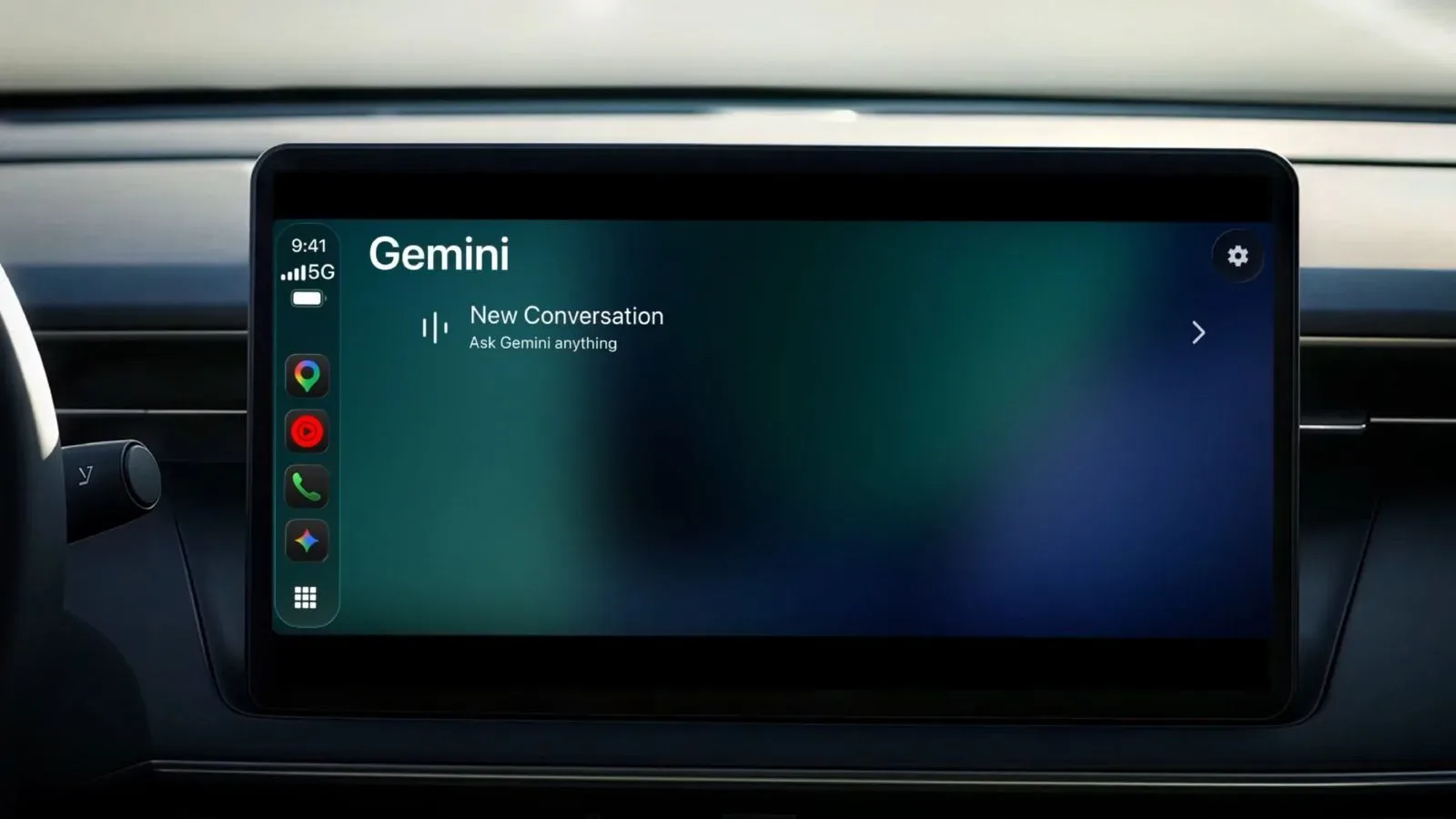
The landscape is also expanding beyond a single screen or service. For a related example of how AI conversation is being placed in different settings, Google’s dashboard plans are covered in our look at Gemini arriving in Apple CarPlay. The common thread is not that every assistant works alike, but that companies are looking for new places where an AI interaction can become routine.
ByteDance’s position is particularly interesting because it combines a high-profile AI video model with a reported personal-agent initiative, while its cofounder has acknowledged a multiyear effort to catch up with leading AI competitors. That creates a story with real strategic scale, but it is still short on product specifics.
For now, the most accurate takeaway is modest: ByteDance is reportedly preparing an AI assistant intended to compete in the same general arena as Meta’s Muse. A reveal could come in the coming weeks, but the product’s identity, capabilities, device plans and privacy model have yet to be established publicly. Until those details arrive, the agent remains a promising—or concerning, depending on its eventual access—placeholder in a fast-moving AI race.