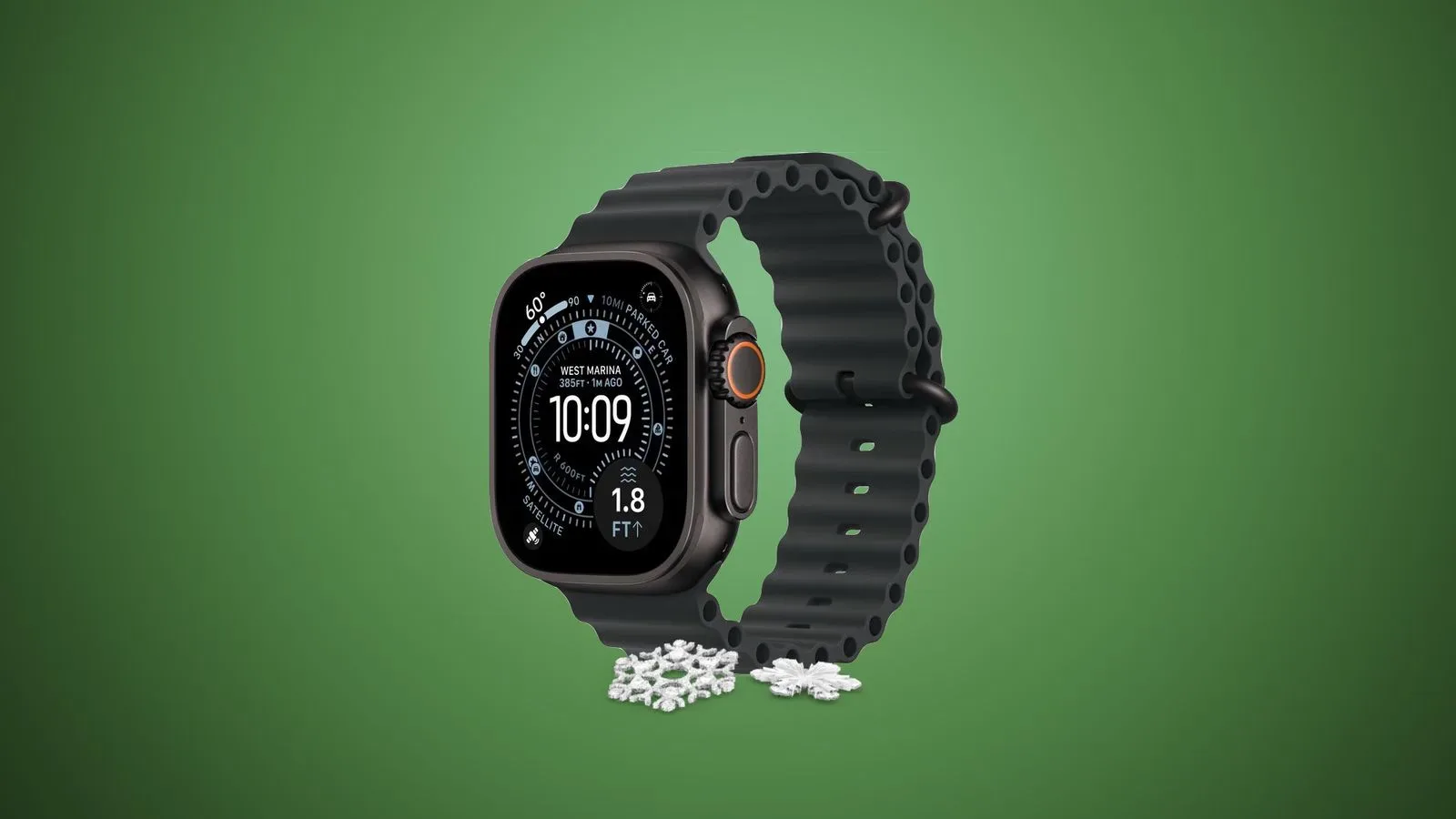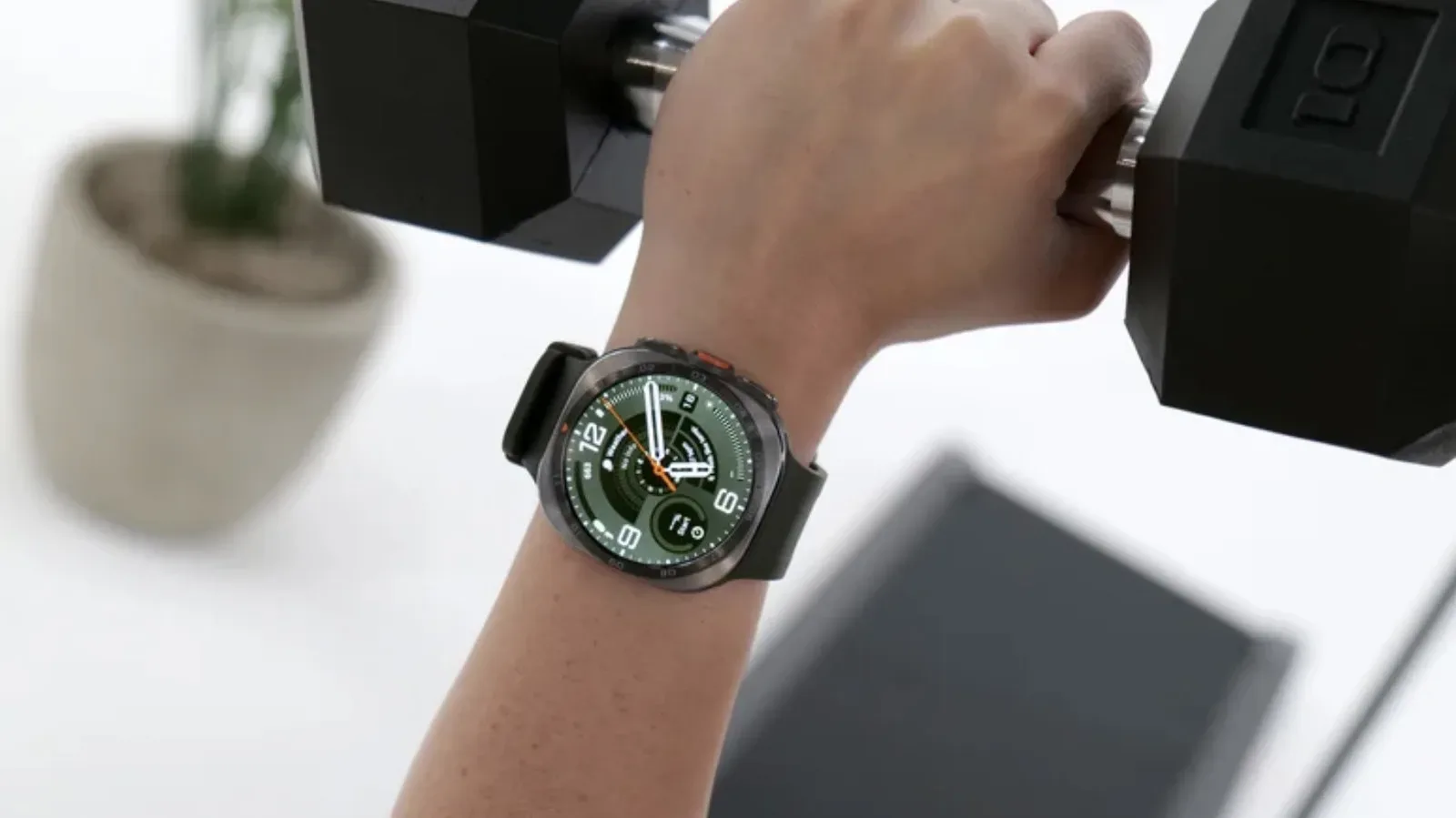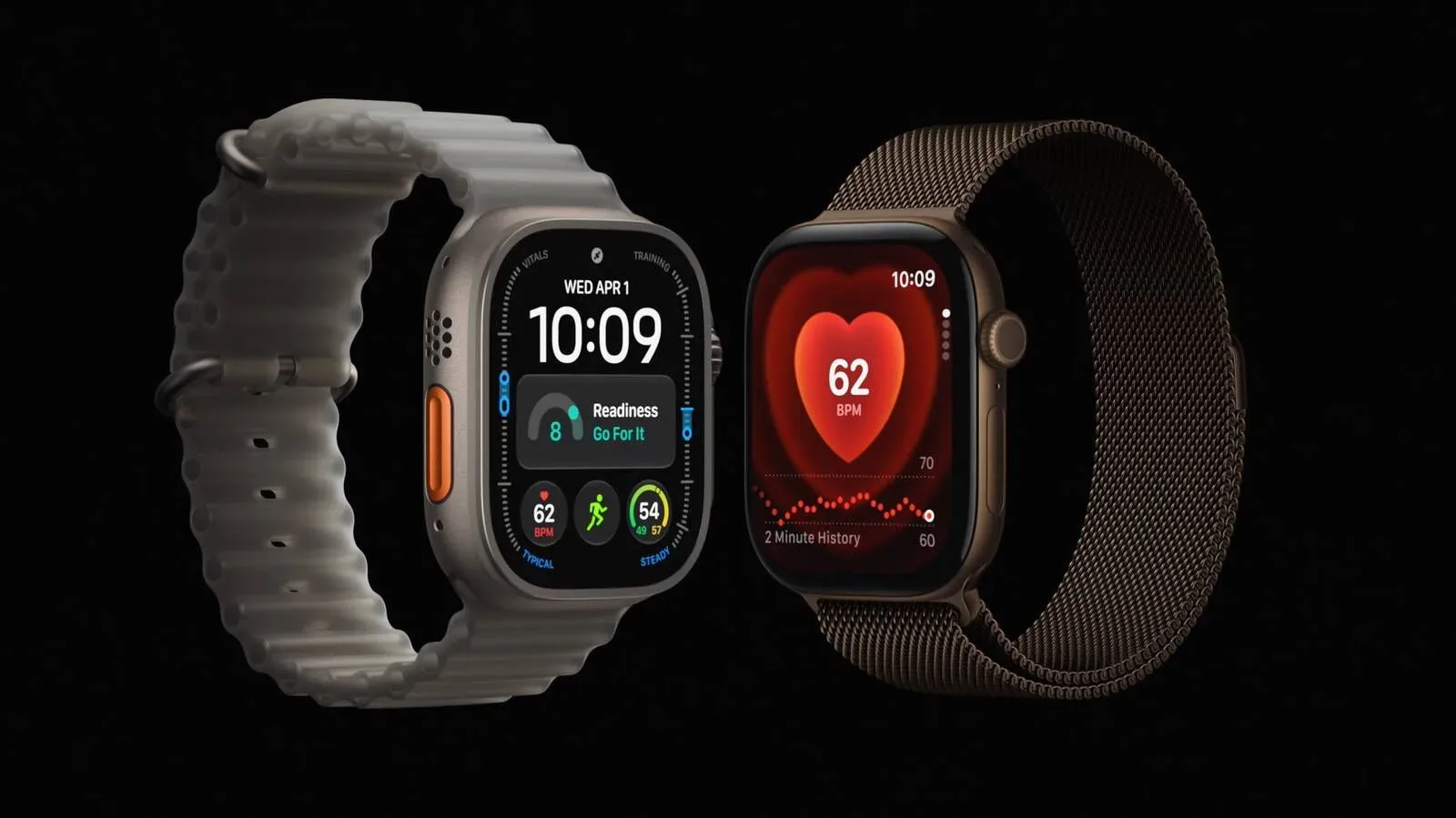
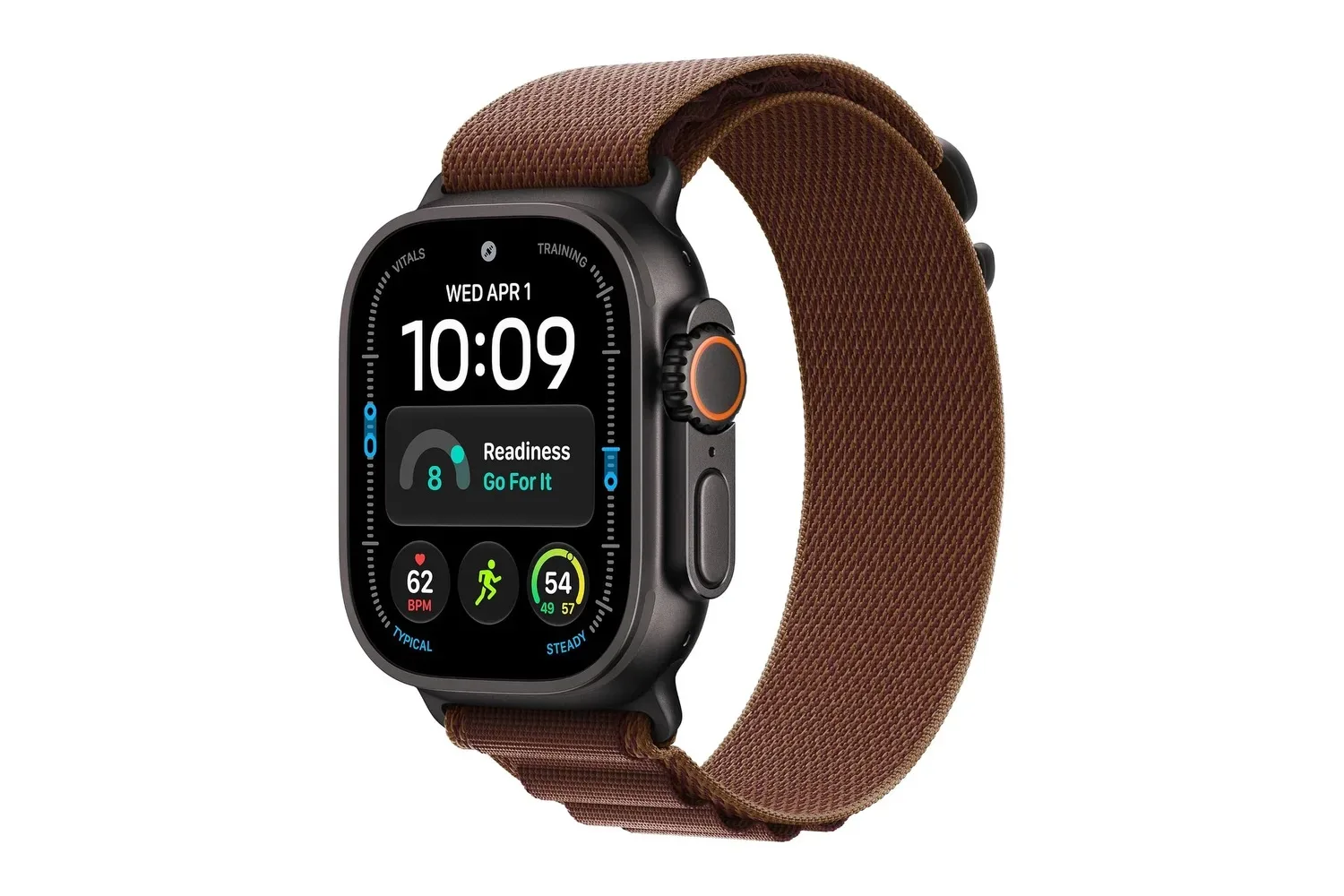
The Apple Watch Ultra 4 GPS + Cellular 49mm is listed at $700, down $99 from $799. That is a 12% reduction on a smartwatch positioned less as a discreet notification screen and more as an outdoor-focused wearable: one with a titanium case, satellite-related communication tools, dual-frequency GPS, cellular service, a siren, dive functions and an unusually broad set of quoted battery estimates.
The headline price matters because the Ultra 4’s hardware is aimed at a specific kind of buyer. This is not simply a watch for checking messages between meetings. Its 49mm Grade 5 titanium case, sapphire glass, 100-meter water-resistance rating, integrated depth gauge and water-temperature sensor are all framed around use outdoors and around water. The feature list also stretches from running and biking to hiking and recreational diving.
For people who will use those capabilities, $99 off can make a meaningful dent in a premium purchase. For people who only want basic notifications, music controls and occasional fitness tracking, however, the Ultra 4’s most distinctive equipment may be more capability than necessity. The sensible question is not only whether $700 is lower than $799; it is whether the watch’s safety, location and endurance tools match the way it will actually be used.
A smartwatch designed around independence from the phone
The GPS + Cellular designation is important. Cellular connectivity means the Ultra 4 can make and receive calls, play music and receive email and social-media notifications without the paired smartphone being nearby. For runners, cyclists or hikers who prefer to leave a phone behind, that is the practical distinction between a watch that mirrors a phone and one that can remain connected on its own.
The Ultra 4 also lists Emergency SOS, Messages and Find My through satellite connectivity. When cellular or Wi-Fi service is unavailable, the watch can be used to communicate by message, send an Emergency SOS distress message and share a current location through Find My using satellite connectivity. Those tools are particularly relevant to travel and remote activities, where a lack of conventional coverage can turn a routine outing into a communication problem.
It is worth separating the roles of these systems. Cellular is the watch’s normal mobile-network connection. Wi-Fi is a local internet connection. Satellite connectivity, as described here, is the fallback intended for messaging, emergency communication and location sharing when those usual paths are unavailable. They are complementary features, not interchangeable reasons to assume every watch function will behave identically in every location.
That distinction makes the Ultra 4’s value proposition clearer. A buyer who primarily works out in areas with dependable service may place greater value on cellular calls and notifications. Someone who spends time away from coverage may see more appeal in the satellite-related emergency, messaging and location features. Neither use case makes the other irrelevant, but they emphasize different parts of the same package.
GPS accuracy, brightness and controls built for activity
Outdoor wearables are only as useful as the information a wearer can read and trust while moving. The Ultra 4 combines an Always-On Retina display rated for up to 3,000 nits with dual-frequency GPS. A nit is a measurement of display brightness; the high brightness figure is intended to keep the screen readable in strong sunlight. The always-on element means the display remains visible rather than requiring a wake gesture for every glance.
Dual-frequency GPS refers to a location system that uses two GPS signal frequencies. In practical terms, the stated benefit is more accurate location tracking for running, cycling and hiking, including in urban settings where tall buildings can interfere with signals. That is a meaningful detail for anyone who relies on route data rather than merely estimating a workout by time.
The watch includes an Action button that can be customized to quickly begin particular workouts or operate the flashlight. Customizable physical controls can be more useful than touch-only navigation when a user is in motion, wearing gloves or simply trying to start an activity quickly. The Ultra 4 also has a loud siren intended to help others locate the wearer in an emergency.
None of that turns a watch into a substitute for preparation. Rather, it means the Ultra 4 puts several practical tools on the wrist: navigation-related tracking, visibility in bright conditions, a shortcut button, communication options and an audible alert. Its appeal is strongest when those tools reduce friction during activities that already happen regularly.
Battery claims need to be read by use case
Battery life is one of the central claims in the Ultra 4’s pitch, but the numbers are tied to different kinds of use. With regular use, Apple’s stated estimate is up to 50 hours. For tracked outdoor activities including running, hiking and biking, the estimate is up to 25 hours. The Max Extended Workout feature is rated for up to 45 hours of activity tracking. A 15-minute charge is said to provide roughly 18 additional hours of battery life.
These figures should not be treated as a single promise for every routine. They describe different scenarios. Ordinary smartwatch use, sustained workout recording and Max Extended Workout use are not the same battery demand. A shopper planning multi-hour activities should therefore focus on the workout estimates, while someone seeking fewer charging sessions for general use may be more interested in the 50-hour figure.
The short-charge claim is useful in a different way. A watch that can gain about 18 hours from 15 minutes of charging could be easier to fit into a routine before travel, sleep tracking or a day outdoors. But practical battery results will naturally depend on which features are used. The deal does not change that basic buying consideration: battery requirements should be judged against the wearer’s own activity schedule rather than the most favorable headline number.
Diving support goes beyond a water-resistance label
The Ultra 4 has a 100-meter water-resistance rating and supports recreational diving down to 40 meters. Those are related but distinct specifications. Water resistance describes the device’s stated resistance rating, while the 40-meter recreational-diving support describes the activity depth identified for diving use. The built-in depth gauge and water-temperature sensor add data that is relevant underwater.
This makes the watch more specialized than a wearable that merely tolerates splashes or a swim. Buyers who dive recreationally have a clear reason to pay attention to the Ultra 4’s configuration, especially because it incorporates depth and temperature tools rather than relying only on workout tracking. Conversely, people who will never use water-focused features should recognize that those capabilities are part of the premium hardware they are paying for.
The same applies to the 49mm Grade 5 titanium case and sapphire glass. Titanium and sapphire are presented as durable materials for rough adventure conditions. In plain terms, the construction is meant to withstand more demanding environments than a watch designed mainly for indoor, casual use. Durability has value, but the strongest value comes when the device will genuinely encounter the conditions it was designed to handle.
Health and everyday smartwatch functions remain part of the package
Although its rugged identity gets the attention, the Ultra 4 also includes familiar smartwatch and health-related functions: continuous heart-rate monitoring, an electrocardiogram app, blood-oxygen measurements, body-temperature measurement and sleep tracking. It supports calls, notifications and music through its cellular connection, while interchangeable bands allow wearers to tailor the watch to a particular activity or style.
These features broaden the Ultra 4’s use beyond the trail, road or water. A person who values overnight sleep tracking may care about battery flexibility. Someone who wants to exercise without carrying a phone may value cellular connectivity. A wearer who alternates between biking, hiking and daily wear may appreciate the band options and customizable Action button.
Still, a feature list is not the same thing as a recommendation for every shopper. The Ultra 4’s premium is easiest to justify when several of its defining strengths overlap: independent connectivity, longer stated battery life, high-brightness viewing, location tracking, durability and water-oriented tools. Buying it solely for one ordinary smartwatch task can make the discount look better than the underlying fit.
How the $700 deal compares with the decision to buy
At $700, the Ultra 4 is $99 below the stated usual $799 price. The reduction is straightforward, but a deal should be evaluated in context. The buyer is still choosing a high-end 49mm titanium smartwatch. Its size, outdoor emphasis and hardware depth are features to consider before treating the percentage discount as the main story.
Potential buyers can use a short checklist:
- Phone-free time: Will built-in cellular be used for calls, music and notifications when the smartphone is left behind?
- Coverage gaps: Are satellite-based messaging, Emergency SOS and Find My location sharing relevant to regular travel or remote activities?
- Route tracking: Is dual-frequency GPS useful for regular running, cycling, hiking or urban routes where tall buildings can affect reception?
- Battery routine: Does the mix of regular use, activity tracking and rapid top-ups fit the wearer’s schedule?
- Water use: Will recreational diving support, a depth gauge and a water-temperature sensor be used, or are they surplus capability?
- Physical fit: Is a 49mm watch and its more rugged construction the preferred form factor for everyday wear?
The questions above are not reasons to dismiss the discount. They are the way to determine whether it is a saving on a useful tool or simply a lower price on an overbuilt one. Buyers comparing the current model with a prior discount may also want to note that the Apple Watch Ultra 3 previously reached $549, illustrating why the precise model and feature set matter as much as the sale percentage.
For the right user, the current Ultra 4 price combines a $99 reduction with a notably comprehensive set of outdoor-oriented functions: 50-hour regular-use battery claims, a 3,000-nit Always-On display, dual-frequency GPS, cellular and satellite communication options, safety tools, 100-meter water resistance and recreational diving support to 40 meters. For everyone else, the best part of the deal may be the reminder to decide which of those capabilities are genuinely essential before committing to a premium wearable.
Shop the products
Check current price, model and availability at the retailer.