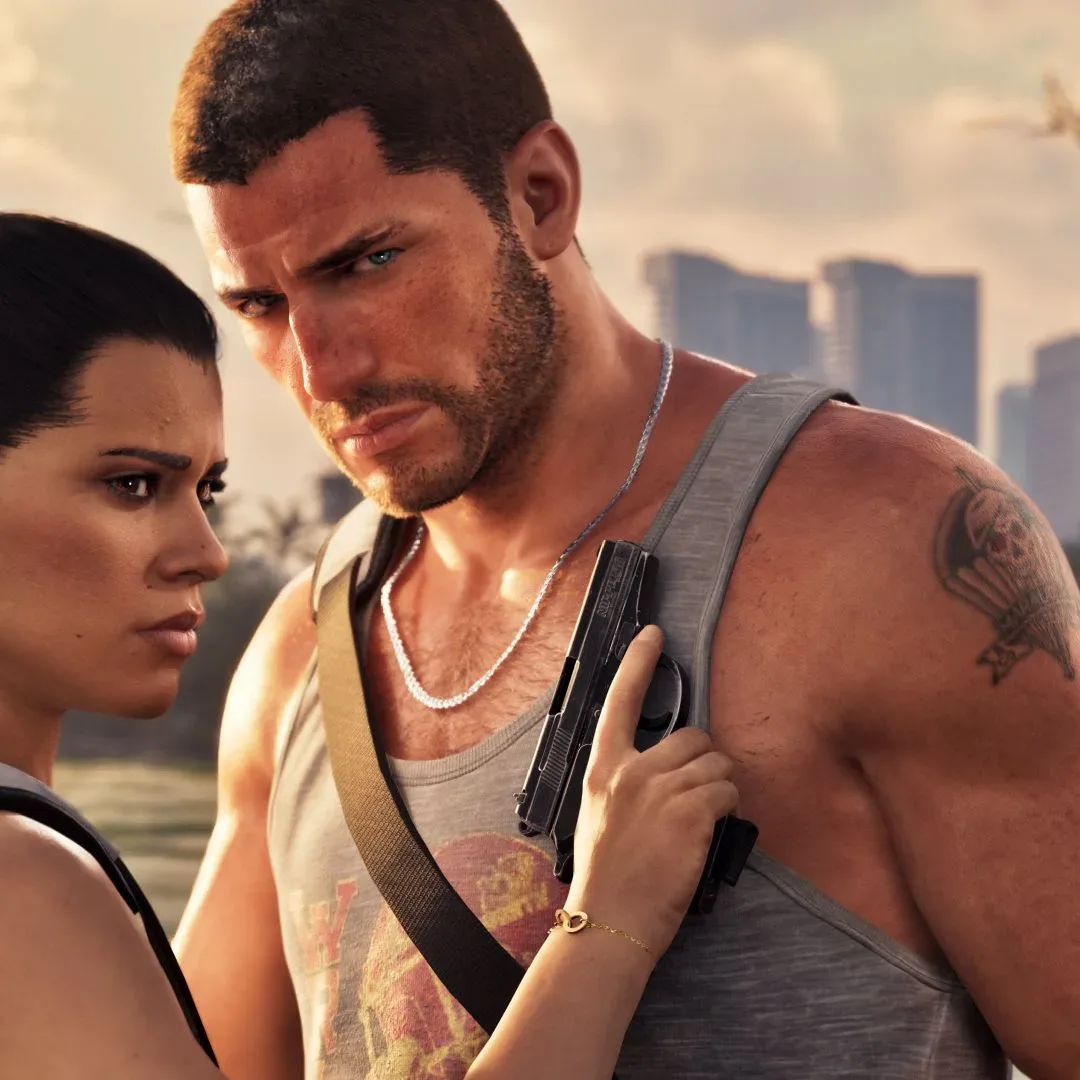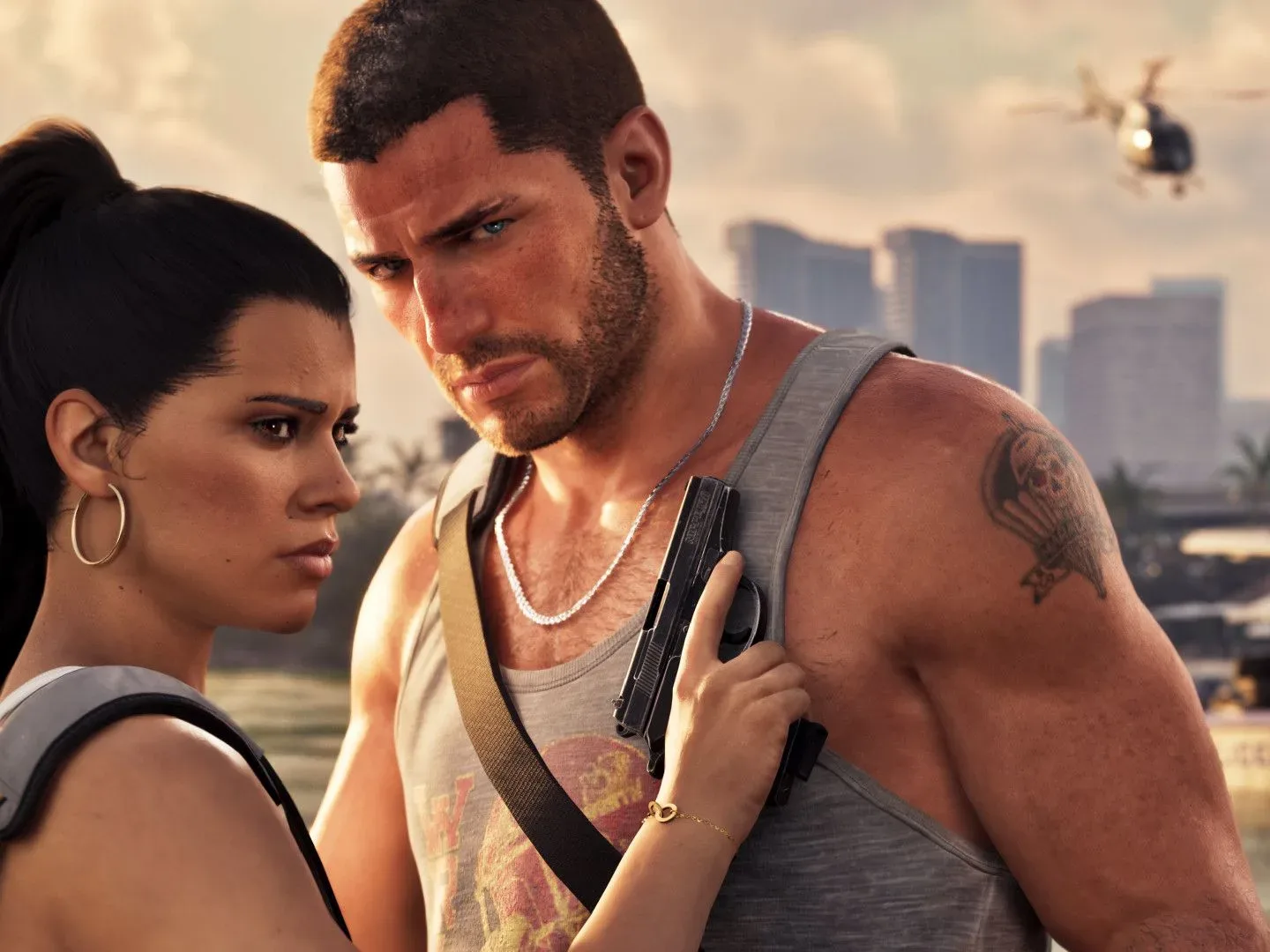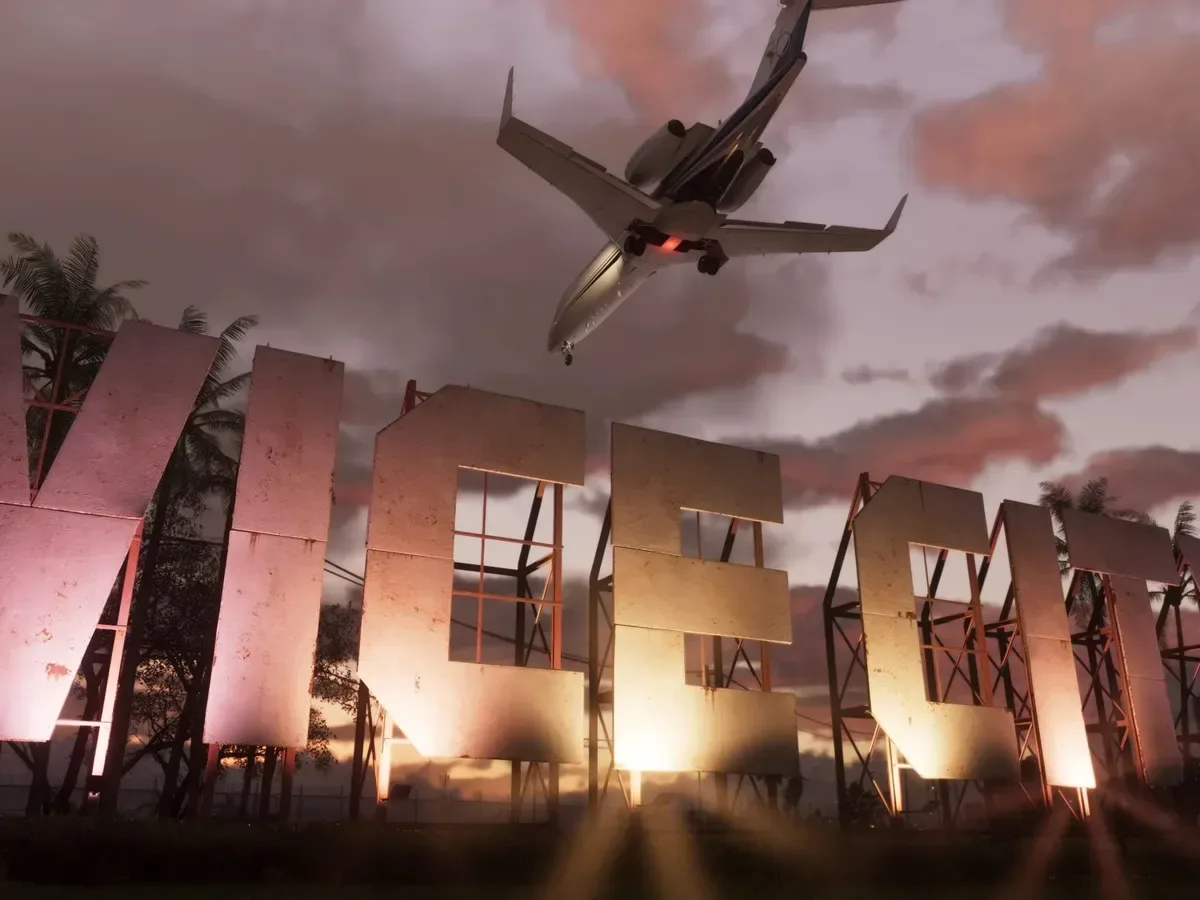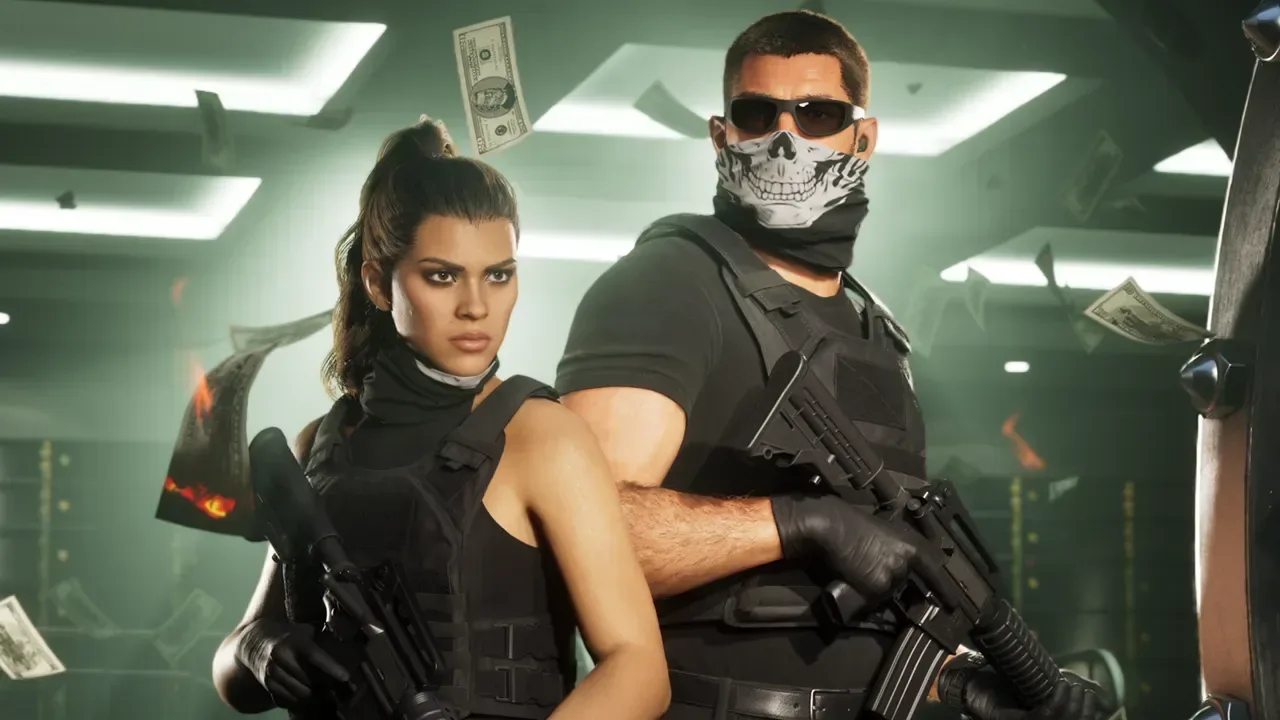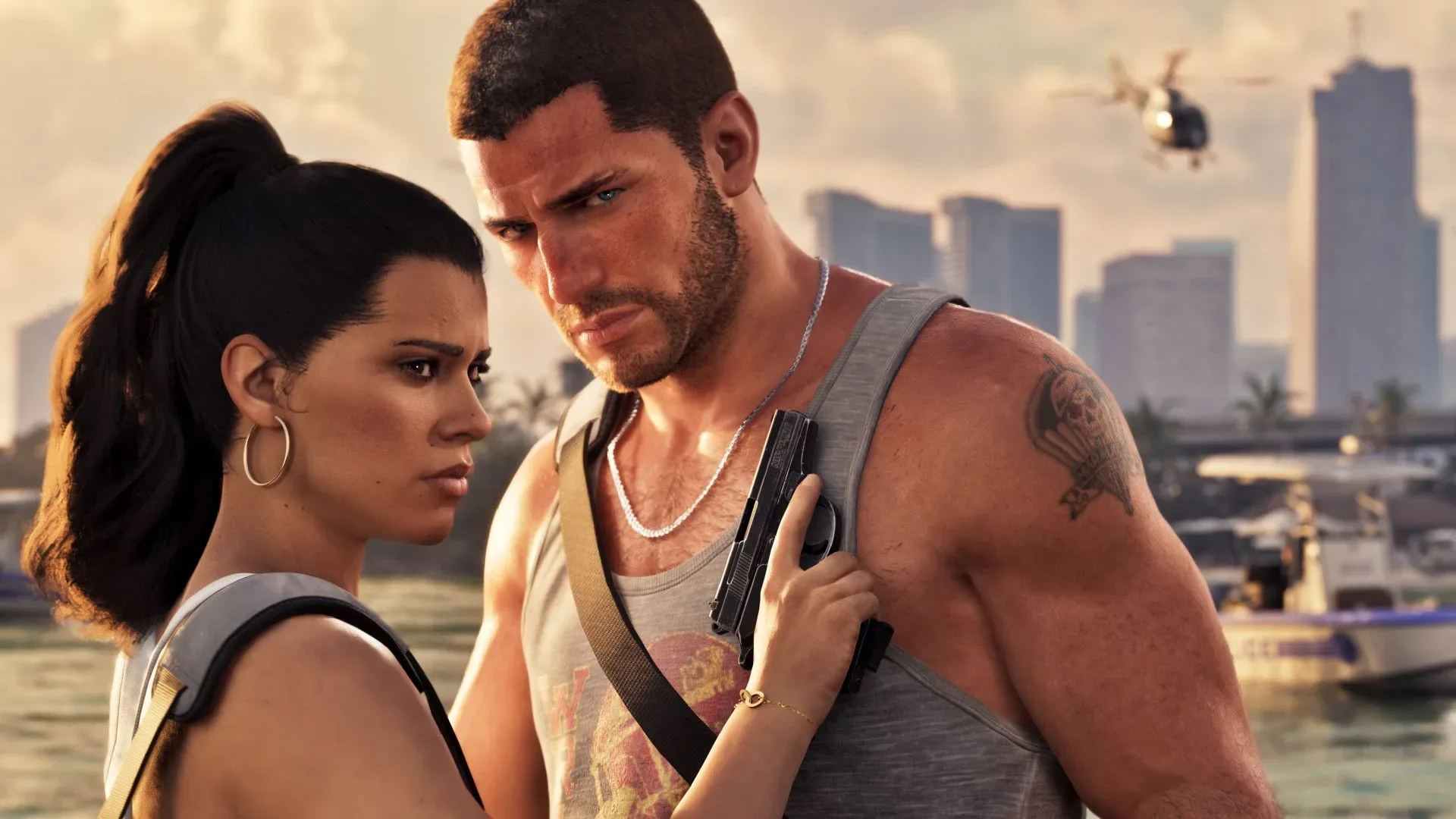
Rockstar is setting an enormous bar for Grand Theft Auto 6. Aaron Garbut, the studio’s head of development and co-studio head, says the team has tried to avoid the familiar compromises that shape large open-world games: building a bigger space at the expense of fine detail, or creating highly detailed areas that cannot support much player interaction.
Instead, Garbut says GTA 6 is attempting to raise several measures at once: detail, scope, breadth, scale, interaction and density. It is a substantial claim, particularly for a game carrying unusually intense public expectations before its scheduled November 19 launch.
“Normally you compromise scale for detail or detail for interaction, but with this project we went the other way – everything is dialed up – detail, scope, breadth, scale, interaction and density. I don't think we have ever created anything close to this before.”
That language does not confirm a map size, a technical specification, or the exact systems players will be able to use at launch. It does, however, offer a clearer statement of Rockstar’s ambition than the broad promise of simply making a larger Grand Theft Auto. The intended target appears to be a world that feels expansive without becoming thin, and visually rich without becoming a set of scenery players can only observe from a distance.
What Rockstar means by scale, detail and density
These terms are often used together in marketing, but they describe different challenges for an open-world developer.
- Scale generally concerns the overall size of the playable setting and the breadth of its environments.
- Detail concerns the level of visual, environmental and object-level specificity within that setting.
- Density is about how much activity, population, scenery and potential interest is concentrated within a given part of the world.
- Interaction refers to the degree to which players can affect, engage with, or receive responses from the world and its systems.
A game can be huge while still having quiet stretches, repeated assets, limited responsive behavior or spaces that exist mostly as backdrop. Conversely, a smaller game can devote considerable care to a limited number of streets, interiors or activities. Garbut’s comments suggest Rockstar is pursuing both ends of that equation: a broad setting with a high level of authored and systemic richness.
The difficult part is that those goals pull on the same development resources. More locations need more art, design, testing and optimization. More objects and characters can increase the computational work required to draw a scene and simulate it. More interactive behavior creates more possible player actions, edge cases and bugs. A densely populated world must also remain readable enough for players to navigate and perform missions.
Garbut’s statement is therefore less about one isolated visual feature than about the coordination of many disciplines. Environment art, character work, mission design, animation, audio, artificial intelligence and performance optimization all have a role in whether an open world feels convincingly alive rather than merely large.
Related coverage includes Rockstar Says Grand Theft Auto 6 Pushes Detail, Scale and Interaction Further Than Ever.
The promise is bigger than photorealism
Visual realism is only part of what is being suggested. The supplied information points to photorealistic presentation, a richly detailed open world and lifelike physics as areas where the project’s resources may be visible. But Garbut specifically includes interaction and density, which are important because an impressive screenshot and a persuasive game world are not identical achievements.
For players, density can affect the texture of ordinary movement through a city or surrounding environment. It may be felt in the number and variety of people, vehicles, points of interest and small environmental touches present during an unscripted trip, not just during a major story mission. Interaction can affect whether those details feel reactive, whether systems overlap in meaningful ways, and whether the world can sustain curiosity beyond its main path.
None of that should be taken as a confirmed feature list. Rockstar has not, in the material provided, specified particular activities, physics behaviors, population systems or technical benchmarks. The more grounded interpretation is simply that the studio wants GTA 6 to be judged on the combined effect of its world, rather than on map dimensions alone.
Why the trade-off is so hard to escape
Large games routinely face a basic production reality: every added district, route, building, vehicle or activity creates further work. Even assets that a player only glances at require planning, creation, integration and quality assurance. If an object can be used or destroyed, or if a non-player character can react to it, the workload can rise further.
That is why Garbut’s framing matters. He is not presenting scale and detail as automatically compatible. He explicitly identifies them as trade-offs Rockstar usually has to make, then says the GTA 6 team has chosen to push against that limitation. The studio is effectively promising that its ambitions have expanded across multiple axes at the same time.
There are practical reasons players should keep those categories separate while waiting for the game. A larger map is not proof of richer interaction. More visual detail is not necessarily proof of better mission design. Higher population density can improve atmosphere but can also complicate performance and clarity. The eventual quality of GTA 6 will depend on how successfully these elements work together, not merely on the number of superlatives attached to them before release.
A project built under exceptional expectations
Garbut also acknowledged the “huge” pressure surrounding the project and said the team’s answer has been to try to overdeliver. It is a candid recognition of the unusual position GTA 6 occupies. Rockstar’s pedigree, the scale of its resources and the long wait for the next numbered Grand Theft Auto mean that a conventional sequel would face extraordinary scrutiny even before anyone assessed its storytelling, controls or world design.
Its publisher, Take-Two Interactive, is widely understood to be backing the game with major resources, although no budget figure is established in the provided material. The link between resources and ambition is clear enough: an undertaking designed to expand detail, breadth, interaction and density simultaneously requires a great deal of specialized work. Funding alone cannot guarantee an effective game, but it can support the time, staff and technical infrastructure needed for a production of this size.
Talent remains equally important. Sophisticated worldbuilding depends on decisions about what players notice, what they can do, how a location supports a mission, and when detail serves the game rather than distracts from it. A city can be packed with visual material yet feel inert if its systems do not respond convincingly; it can also be full of activities yet feel unfocused if they do not fit the wider experience.
That is the challenge behind the word overdeliver. It raises the goal beyond meeting a baseline for a major open-world release. Rockstar is signaling that it wants GTA 6 to feel like a leap even by its own standards.
What remains unproven before November 19
Players have not yet been able to judge how GTA 6 looks on their own living-room screens or how it feels to play at launch. That leaves several fundamental questions unanswered. How broad is the world in practice? How consistently does its detail hold up during ordinary gameplay? Which kinds of interactions are meaningful rather than decorative? And how does the game balance a dense environment with performance, accessibility and clear mission flow?
Those questions are not a rejection of Rockstar’s claims; they are the appropriate test for them. Pre-release statements define an intention, while the finished game determines whether that intention becomes a satisfying experience.
For now, Garbut’s comments provide a useful lens for watching the remaining GTA 6 buildup. Rather than looking only for a single headline statistic, players can look for evidence of how the game joins its components together: the relationship between a vast setting and its fine-grained places, between realistic-looking spaces and playable ones, and between a busy world and a responsive world.
The studio is not trying to lower expectations. It is doing the opposite, presenting GTA 6 as a project that seeks to extend Rockstar’s prior work in several directions at once. With a November 19 launch date in view, the remaining question is whether that unusually broad ambition survives contact with the finished game.
For a separate look at how visual settings can shape the PC experience, see our coverage of players adjusting bloom in The Witcher 3 Remastered.