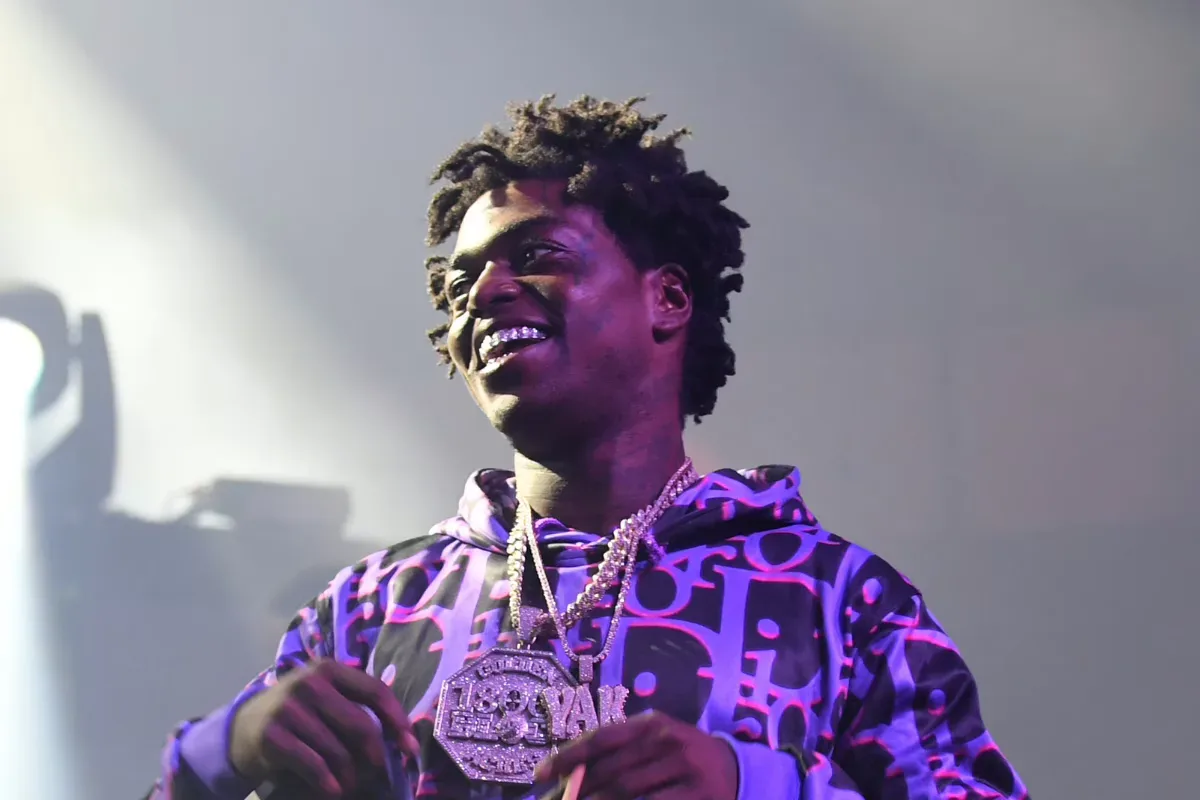
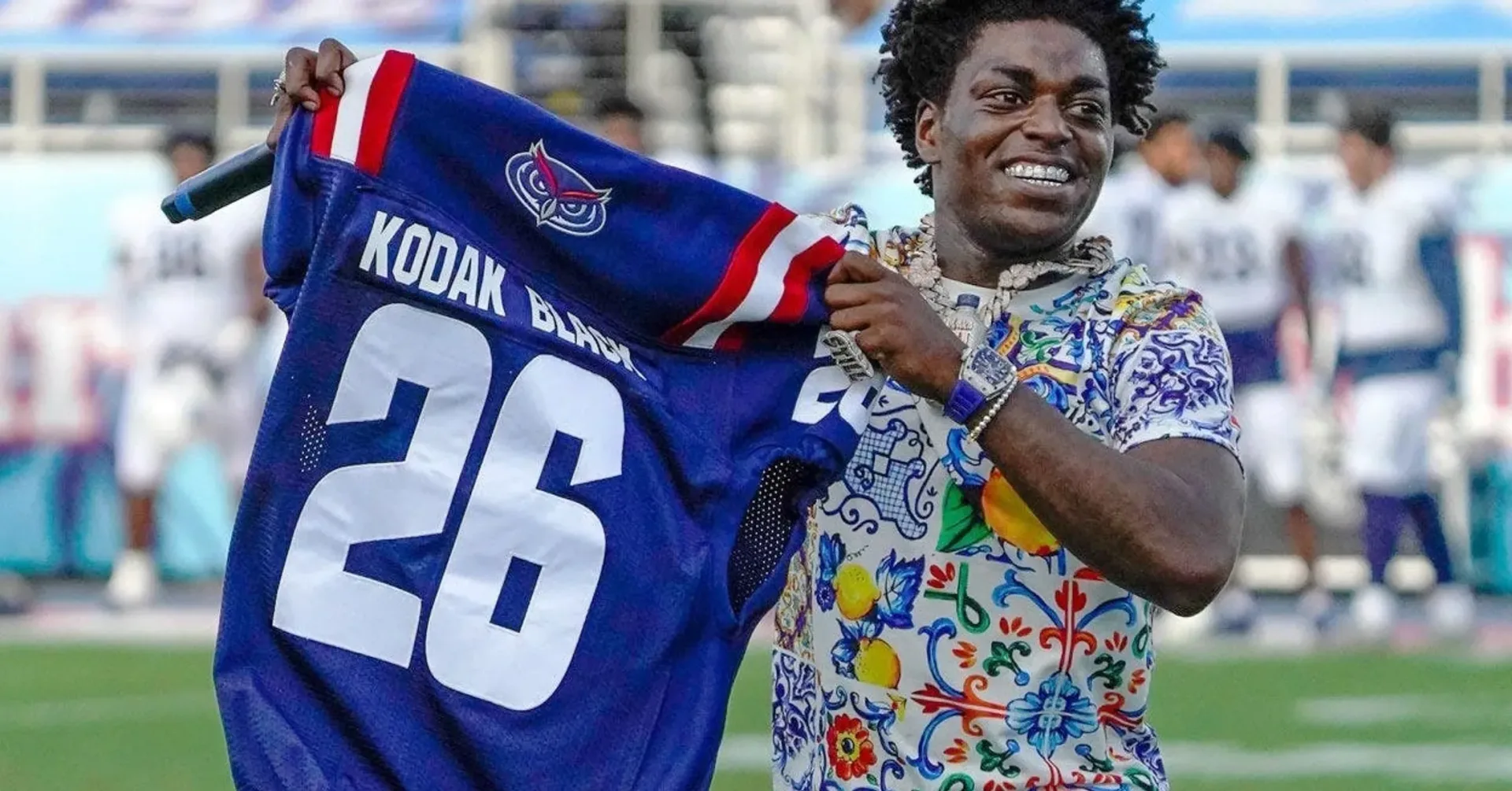
A recent Kodak Black livestream has circulated widely after viewers said the rapper appeared distressed, made difficult-to-follow comments and moved erratically. The footage has led to a wave of concern on social media, with many posts urging him to get support rather than treating the moment as ordinary viral content.
It is important to draw a firm line between what is visible in a short online clip and what cannot responsibly be concluded from it. Viewers can describe behavior they observed or explain why it worried them. They cannot determine a person’s medical condition, intoxication status or substance use from a livestream. No diagnosis should be inferred from the video alone.
The concern has been amplified by a separate reported incident at a Halloween performance last week, where Kodak Black reportedly collapsed onstage. He was attended to and ultimately walked off under his own power. That outcome does not explain what caused the incident, but it helps explain why a later livestream would be received with greater alarm by fans already worried about his well-being.
What viewers are reacting to
Livestreams erase much of the distance that normally separates an artist from an audience. A polished music video, stage appearance or interview has context, editing and production around it. A live broadcast often does not. When somebody seems disoriented or unwell in that setting, viewers react in real time, and clips can be reposted faster than reliable context can emerge.
In this case, the public reaction has largely centered on the perception that Kodak Black’s speech was incoherent and that his head and hand movements appeared unusual. Those descriptions are not medical findings. They are the observable details that sparked the response, and they should not be converted into confident claims about addiction or any other health issue.
The distinction matters especially because speculation can travel farther than a clip itself. Once a viral moment is framed around a presumed explanation, reposts often repeat the presumption as fact. That is a poor substitute for verified information and can turn genuine concern into a public pile-on.
Concern is not a diagnosis
Public discussion around a potentially troubling celebrity appearance often collapses several very different ideas into one: that a viewer is concerned, that a person may need help, and that a particular condition is known. Only the first is supportable from an audience reaction. The second may be an expression of care. The third requires information that a viral video does not provide.
That does not mean viewers need to dismiss what they see. It means that the most constructive response avoids labels and leaves room for facts that have not been made public. Calls for safety, privacy and professional support are fundamentally different from declaring the cause of someone’s behavior online.
Related coverage includes Kodak Black Livestream Prompts Concern After Recent Onstage Collapse.
A reported GTA VI connection adds another layer of attention
The livestream arrives just days before a reported appearance by Kodak Black in Grand Theft Auto VI. Reports have linked him to a GTA VI Festival lineup that also includes Travis Scott, Cardi B and Don Toliver, and have said that Rockstar imagery showed a character model resembling the artist.
Those claims would put the rapper near one of the most closely watched entertainment releases in games, which can intensify attention around anything connected to him. But the game-related reports should be treated separately from the concerns raised by the livestream. A possible in-game appearance says nothing about a person’s health, and the video itself does not establish why he looked or sounded as he did.
For players, the immediate practical takeaway is simple: do not let a fast-moving social-media clip become the basis for assumptions about GTA VI content, an artist’s role in that content or a performer’s personal circumstances. Until details are formally clarified, the responsible position is to distinguish reported game information from speculation surrounding the livestream.
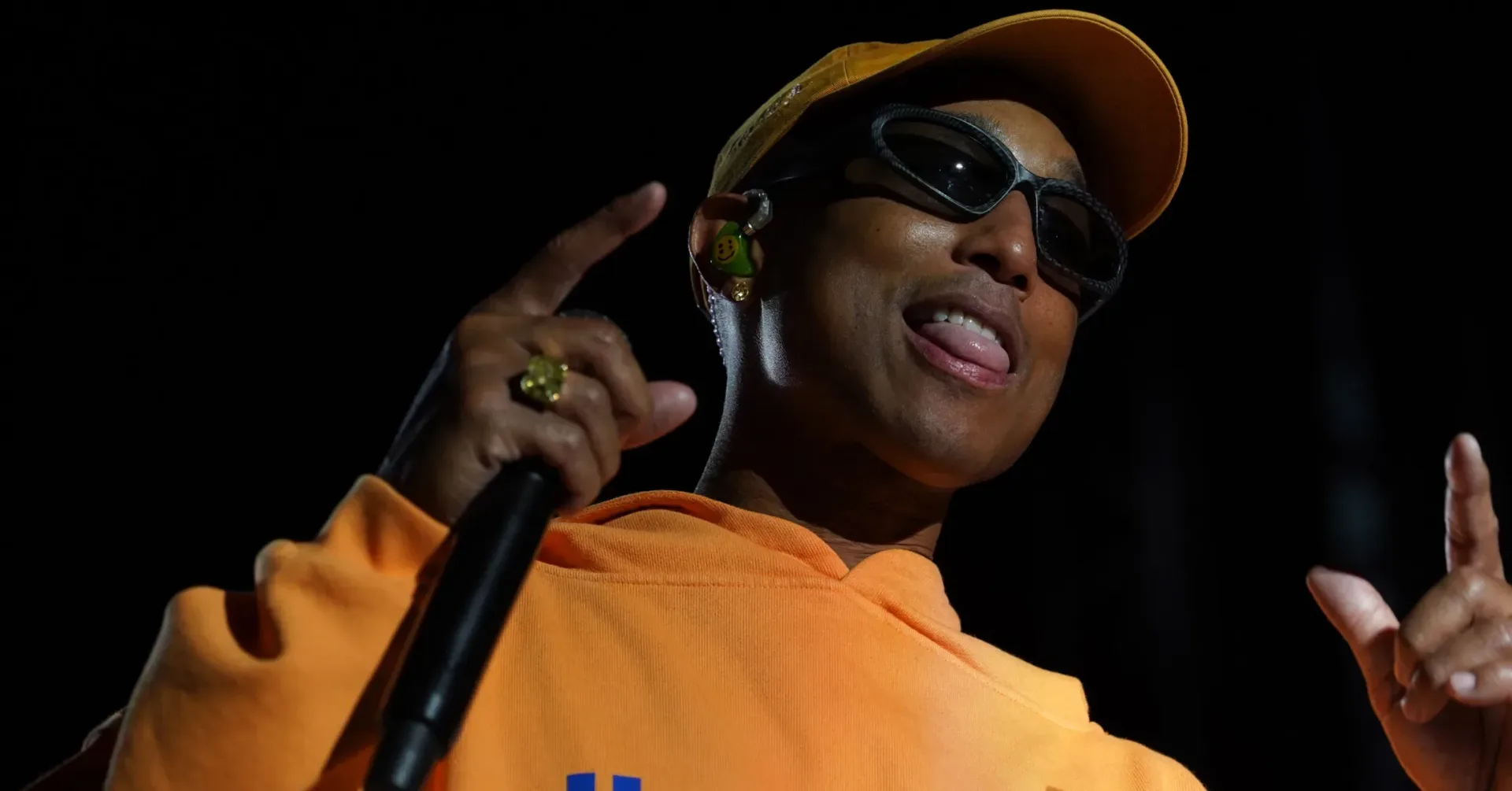
Music and games have long shared cultural space, particularly in the Grand Theft Auto series, where artist associations can become part of a game’s wider conversation before players ever get their hands on it. That overlap also means personal viral moments can be pulled into gaming discussion even when they are not actually about a game. For more on a recent debate about artist and producer fit, see the conversation around so-called Pharrell fatigue.
Why restraint matters when clips go viral
Viral footage rewards quick certainty: a short clip, a dramatic caption, then a flood of reactions. Yet the format rarely supplies the basic context needed to make strong claims. It may not show what happened before a broadcast began, how long the person had been awake, whether there was a health issue, or what support may have been available off camera.
That information gap is not a reason to ignore a situation that appears troubling. It is a reason to speak carefully. In practice, careful language means using phrases such as “viewers expressed concern” and “the clip does not establish a cause,” rather than repeating allegations of substance use as settled fact.
It also means resisting the temptation to treat the most alarming interpretation as entertainment. A public figure can be both a major cultural figure and a person deserving of basic dignity. The public can hope that someone has support without turning an uncertain moment into an amateur diagnosis or a joke.
What is known, and what remains unclear
- A Kodak Black livestream went viral after viewers reacted to his comments and movements with concern.
- Some social-media users urged him to seek help, while others described the situation as upsetting to watch.
- He reportedly collapsed during a Halloween performance the previous week, received assistance and walked off under his own power.
- Reports have connected him to a GTA VI Festival lineup and to an apparent character model, though the livestream does not verify or alter those game-related reports.
- The available information does not establish whether Kodak Black was intoxicated, experiencing a medical issue or dealing with any specific condition.
For now, the clearest fact is that the livestream unsettled viewers and generated a public outpouring of concern. Anything beyond that requires verified information that has not been established by the clip. As discussion continues, the better standard is compassion without diagnosis, and caution without pretending that uncertainty is certainty.