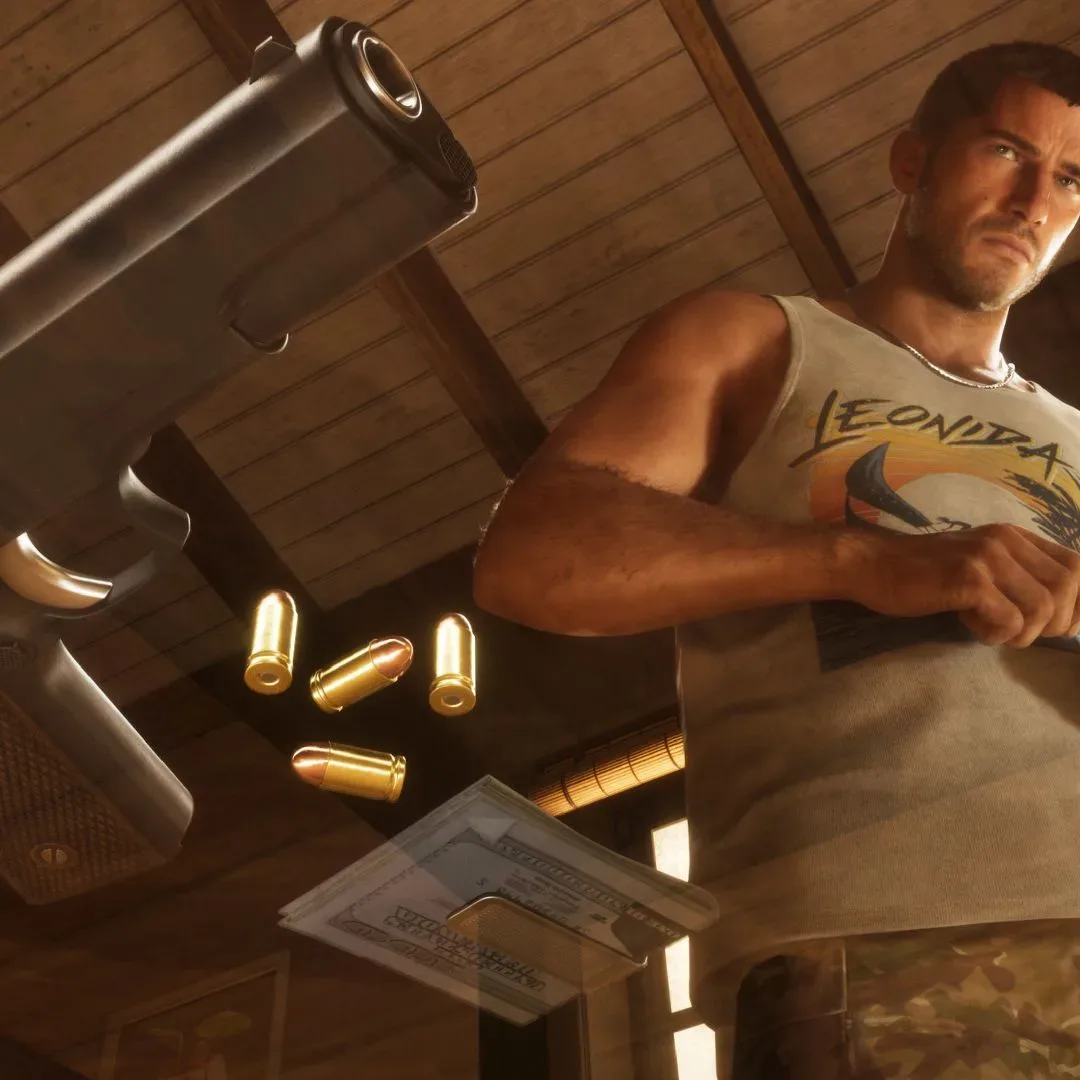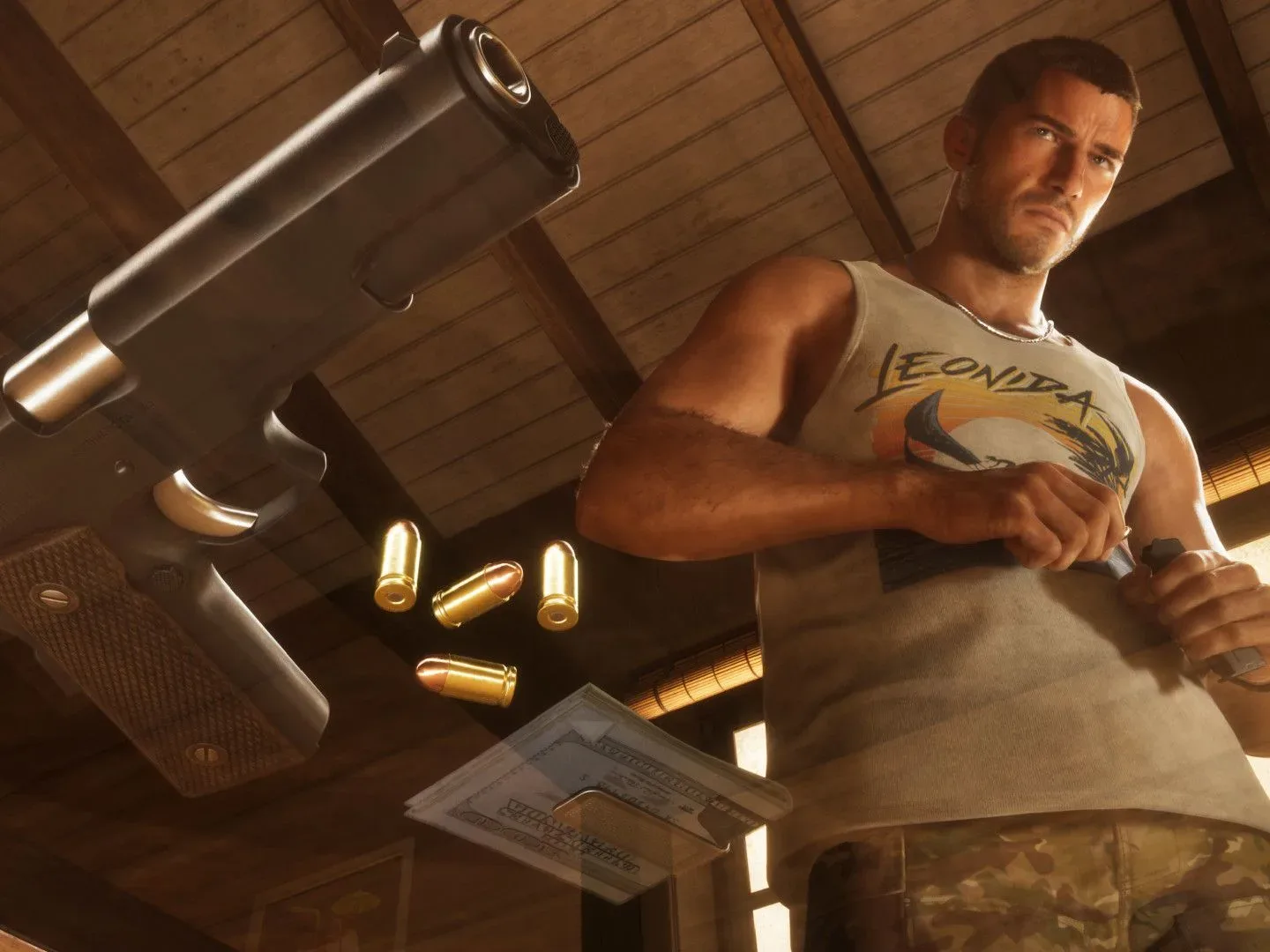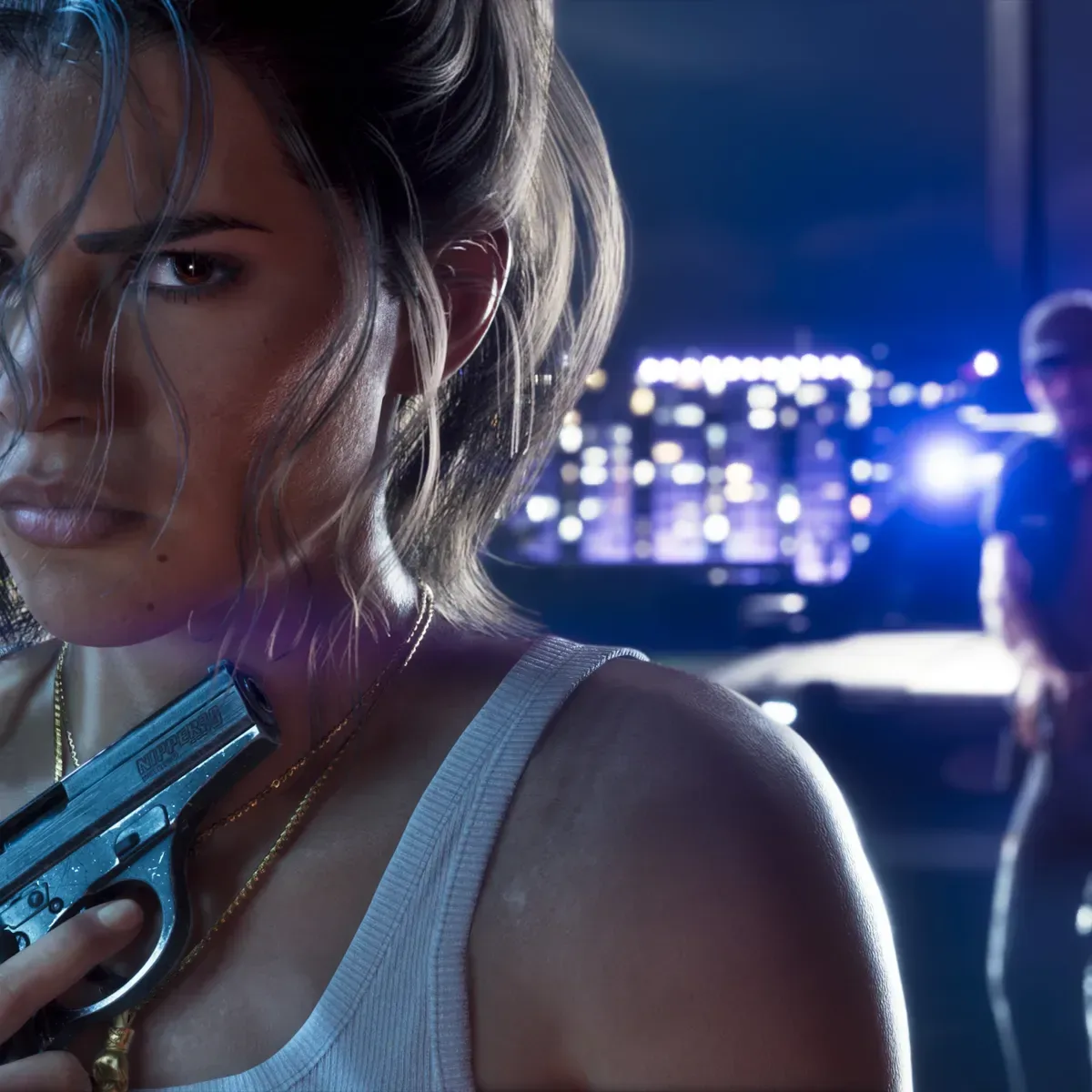

The next round of Grand Theft Auto VI anxiety has arrived right on schedule, but UK Conservative Party leader Kemi Badenoch has put the emphasis somewhere other than the usual “will a violent game create violent players?” question.
Asked at a news conference about GTA 6, young boys, and scenes that can involve shooting civilians, Badenoch said she was more concerned by the amount of time a child spends gaming than by the game in isolation. Her point was deliberately plain: a child who plays for half an hour and then does something else presents a different concern from one who stays in their bedroom playing all day.
It is a notable intervention because it separates two discussions that are frequently bundled together whenever a high-profile mature game approaches: what a game depicts, and how gaming fits into a player’s wider routine. They can overlap, but they are not the same issue—and treating them as interchangeable often makes both conversations less useful.
Badenoch’s argument: time and isolation matter more
Badenoch said she had played Mortal Kombat and Street Fighter in childhood and did not go on to hit anyone. She also made clear that she has not played Grand Theft Auto herself and acknowledged that people have concerns about its content.
That matters as a boundary on her comments. She was not presenting a detailed reading of GTA 6’s story, systems, or age suitability. Nor was she dismissing every parental objection to violent content. Instead, she was making a narrower practical judgment: a pattern of all-day, isolated play would worry her more than limited game time followed by other activities.
“I think I’d be more worried about the amount of time people were spending on a game than the game specifically,” Badenoch said.
That distinction should not be flattened into “content never matters.” GTA is a series known for crime, violence, satire and the freedom to cause mayhem inside a fictional open world. Parents can reasonably care about whether those themes are suitable for a particular child. But Badenoch’s response pushes attention toward an issue that is easier to observe in a household: whether play is taking over sleep, schoolwork, family interaction, time outside, or other interests.
Violence in a game and behaviour outside it are different questions
The phrase “violent video game” covers a great deal. It can describe a tightly structured fighting game, an action title built around combat, or an open-world game where players can pursue the main story, drive around, explore, or deliberately cause chaos. The label tells us something about the fiction and mechanics, but not everything about an individual player’s experience or conduct.
Related coverage includes Kemi Badenoch Says GTA 6 Concerns Should Focus More on Screen Time Than Violence.
In this case, the question put to Badenoch focused on the possibility of shooting civilians. That is an understandable flashpoint for a GTA discussion, because it is an image that compresses an enormous game into its most provocative possibility. Yet it is still a description of an activity in a fictional work, not evidence that a player will transfer it into real life.
Badenoch’s anecdote about older fighting games is not scientific proof of anything, and it should not be treated as such. Its value is rhetorical: it challenges the overly neat claim that exposure to digital violence automatically produces real-world violence. A personal memory can illustrate why a claim feels implausible; it cannot settle a complex public-health or behavioural question on its own.
Likewise, concern about game time should not automatically become a claim that every long session is harmful. Some players have occasional marathon sessions, some play socially, and some use games as a hobby alongside responsibilities. The meaningful question for families is usually not a stopwatch number alone. It is whether gaming is crowding out the rest of a child’s life or becoming the only thing their routine revolves around.
What “screen time” means in this conversation
Screen time is a broad term for time spent using a display, whether that is a console, phone, computer, television or tablet. It is useful shorthand, but it can hide important differences. An hour spent chatting with friends in a cooperative game is not identical to an hour scrolling through short videos, and neither is identical to homework on a laptop.
Badenoch’s description adds a more specific concern than screens themselves: being alone in a bedroom all day, absorbed by one activity. That is really a concern about balance, routine and participation beyond the screen. It does not require pretending that games are uniquely suspect. A child can become overly absorbed in many things. The point is whether there is still room for sleep, education, relationships, movement, meals and time away from a single activity.
For parents, the useful takeaway is less “GTA 6 is harmless” and more “do not outsource the whole decision to a culture-war argument about games.” A game’s themes, a child’s age and maturity, household rules, and the shape of daily life all belong in the same conversation.
Practical questions parents can ask
- Is play happening within a routine? Look at whether gaming consistently displaces sleep, school responsibilities or basic household expectations.
- Is there variety in the week? Badenoch’s contrast was between all-day bedroom play and a short session followed by something else. The “something else” will vary by family, but variety is the key idea.
- Does the child understand the game’s tone and content? Mature satire, criminal protagonists and fictional violence may land differently depending on age and experience.
- Can play stop without a constant fight? Clear expectations about when to save, finish a mission, or leave a session can be more workable than abrupt demands made mid-game.
- Are adults talking about what is being played? A conversation about what happened in a game and why it is fictional can be more informative than judging the title only by reputation.
These are not a substitute for parental judgment. They are a way to make the question concrete. It is much easier to assess a routine, a behaviour change or an unmet responsibility than it is to solve a decades-old argument with a slogan.
GTA 6 makes an old argument newly visible
Grand Theft Auto’s scale and cultural visibility make it an easy vessel for broader worries about games. Every entry in the series arrives carrying debates about violence, criminality and what it means to turn a real-world-inspired place into a playground. GTA 6’s Vice City setting has brought that friction into public view again.
Before real-world promotional activity in Miami-Dade began earlier this year, Republican Miami-Dade County Commissioner Juan Carlos Bermudez and Sheriff Rosie Cordero-Stutz objected to the idea. Bermudez said the community should promote the Miami-Dade it had worked to build rather than a fictional depiction centred on crime and violence. He also objected to a game that, in his view, glorifies shootings involving first responders, pedestrians and residents.
That criticism is distinct from Badenoch’s. Bermudez’s objection concerns representation: what it means for a game inspired by a real community to foreground its criminal and violent elements. Badenoch’s comments concern player behaviour and time use, especially for children. Both are legitimate subjects for public debate, but they require different answers. One is about cultural portrayal and civic image; the other is about parenting and daily habits.
Events since then underline the awkwardness of trying to keep GTA 6 at arm’s length in a place so closely associated with its fictional setting. A $1 million billboard appeared in Miami, while the Miami Heat is being rebranded as the Vice City Heat for a special game. Whatever one thinks of the objections, GTA’s marketing presence is plainly large enough to turn the city-game relationship into part of the story.
Why the framing matters before launch
Big releases tend to turn nuanced questions into binary ones. Either games are condemned as dangerous, or every concern is waved away as a moral panic. Neither response is especially helpful to families deciding what belongs in their home.
Badenoch’s answer offers a more grounded middle position, even if it is not a comprehensive policy statement. It allows that adults may be uncomfortable with GTA’s content while rejecting the leap from fictional violence to presumed violent behaviour. It also insists that a game’s role in a child’s life may matter more than a headline-grabbing scene taken from it.
There is a further practical lesson for the industry and for audiences. Marketing can sell spectacle, controversy and scale, but players and parents still have to make ordinary decisions after the trailer ends: when to play, who can play, where the console sits, and what other parts of life remain protected. No political soundbite can make those choices for a household.
GTA 6 will probably keep attracting arguments precisely because it is designed to be impossible to ignore. But it is worth keeping the arguments accurately labelled. Questions about fictional violence are questions about content. Questions about an all-day bedroom routine are questions about balance. Questions about a Miami-inspired crime satire are questions about representation. Collapsing them into one fear about video games makes for loud debate, not clearer judgment.
For more on the recurring panic around Rockstar’s upcoming release, see our look at another GTA 6 segment that revived familiar gaming fears.