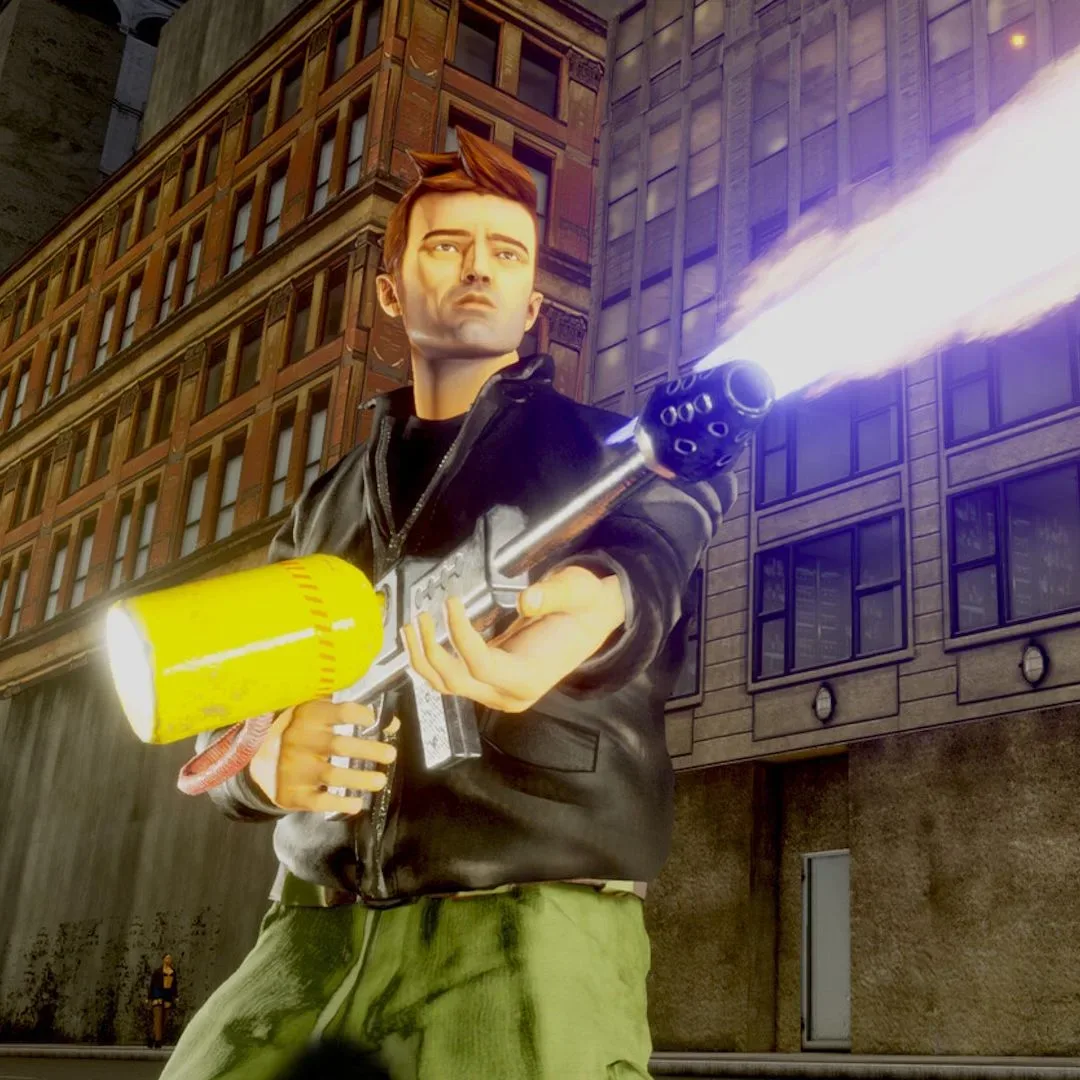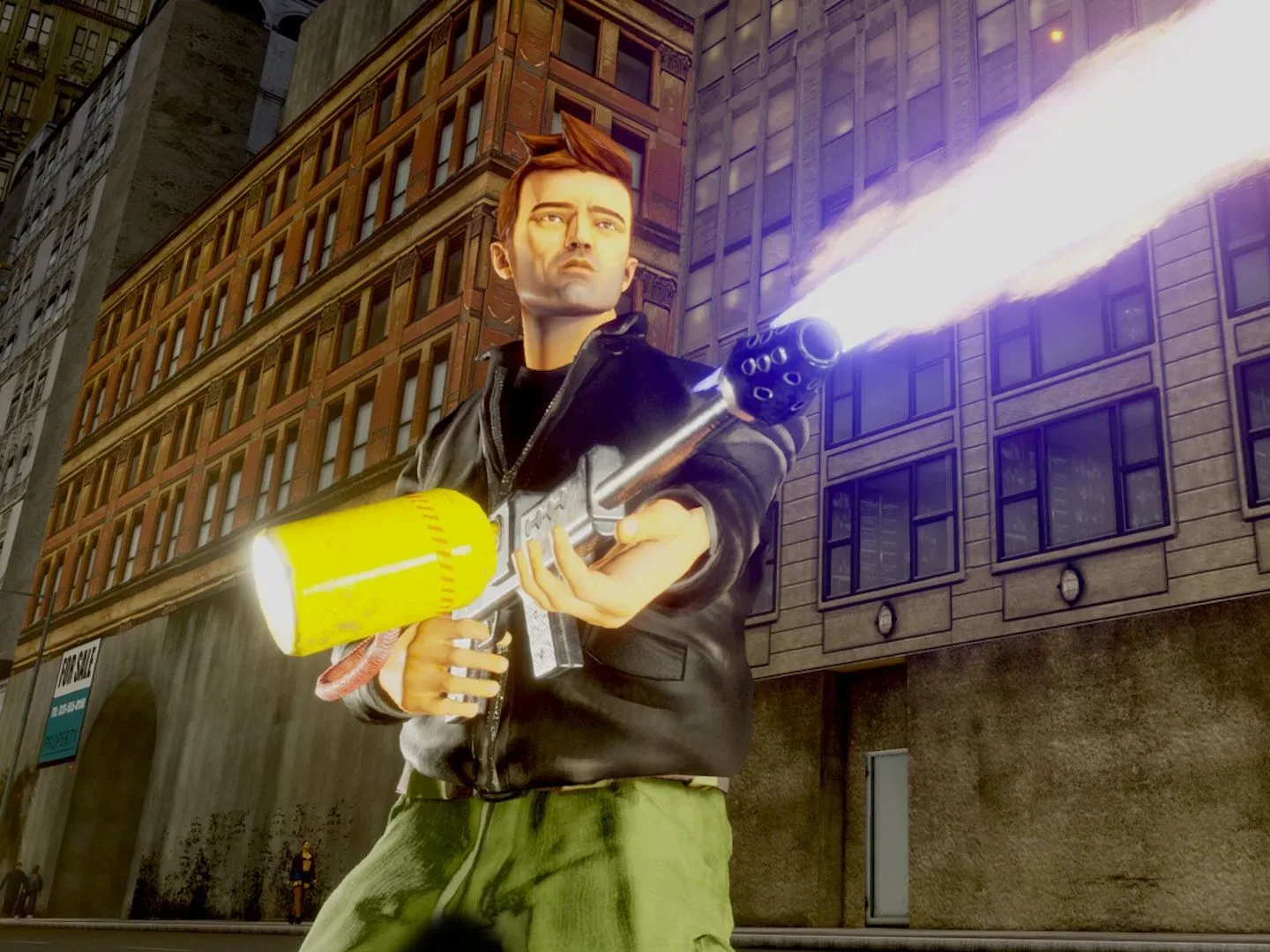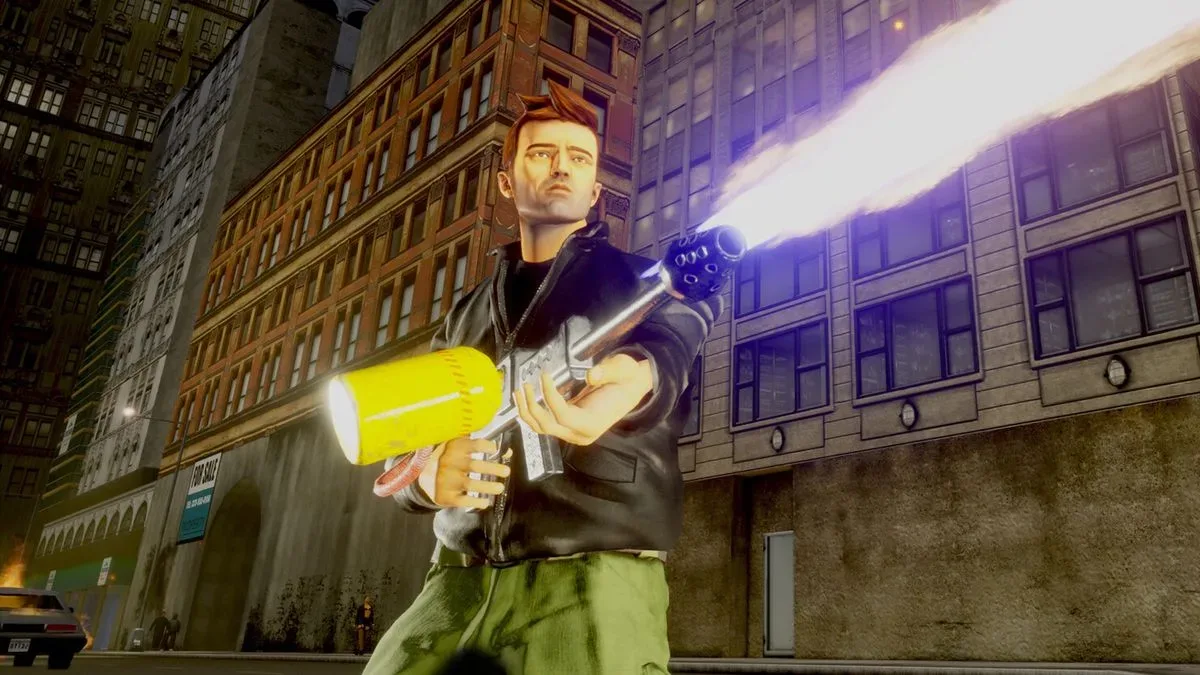
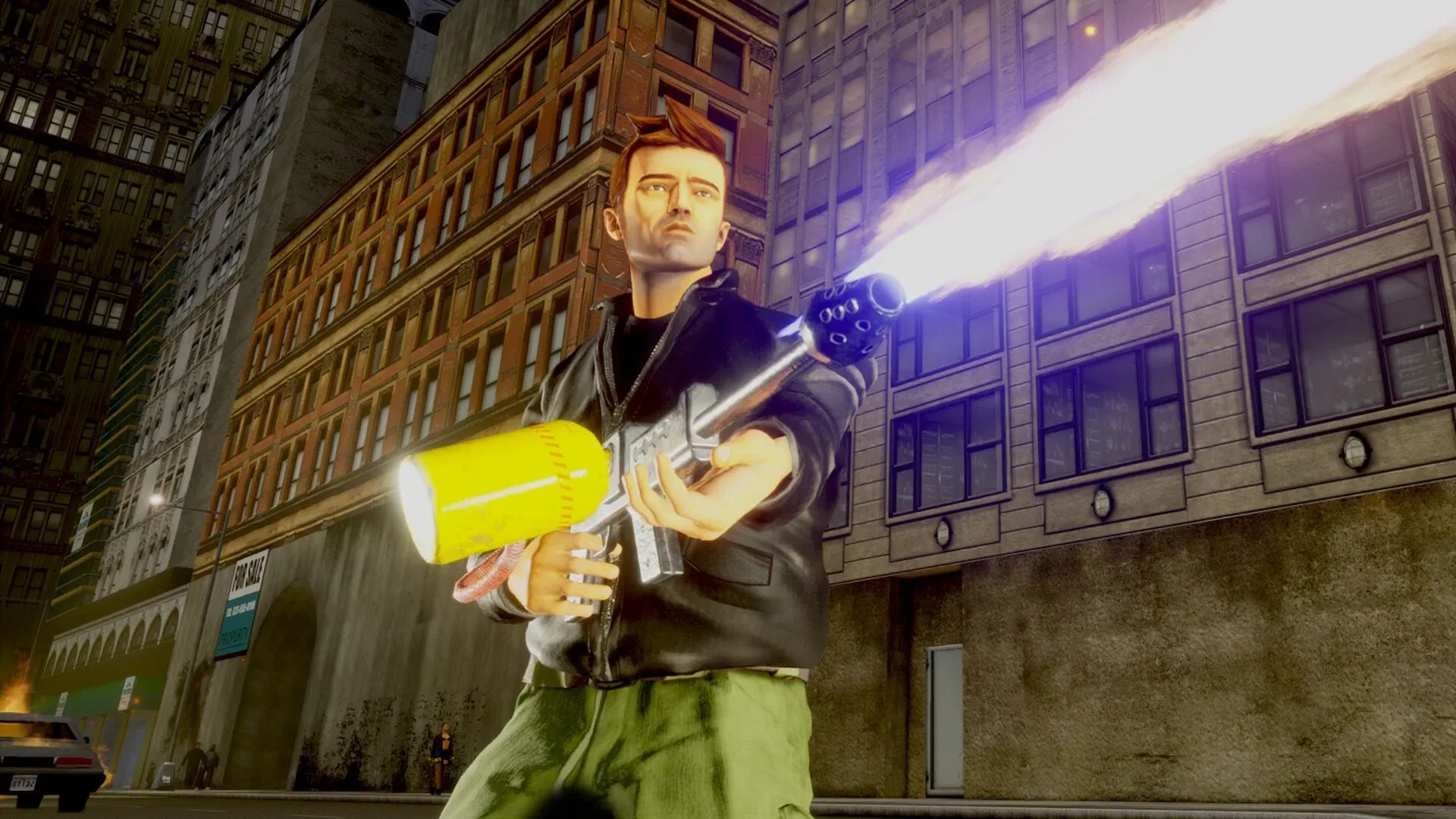
With Grand Theft Auto VI scheduled to launch on November 19, Rockstar’s older Grand Theft Auto catalog has received a conveniently timed Steam discount. The standout is Grand Theft Auto IV: The Complete Edition at $5.99, a 70% reduction. Also discounted is Grand Theft Auto: The Trilogy – The Definitive Edition, which packages Grand Theft Auto III, Vice City, and San Andreas for $19.79, or 67% off.
It is a simple sale with a slightly less simple purchasing decision. GTA IV’s Complete Edition is the uncomplicated recommendation at its sale price. The Definitive Edition Trilogy, meanwhile, is a three-game bundle whose Steam reception varies sharply from one city to the next. Vice City and San Andreas have solidly positive user feedback; GTA III remains notably less favored, including among more recent reviews.
For players using the pre-GTA 6 wait to revisit Rockstar’s older open worlds, the important distinction is not merely which game is cheaper. It is which version is being sold, what a “Definitive Edition” remaster has and has not resolved, and whether the oldest game’s design still suits a modern player.
The Steam offers and their timing
The promotion lists two products rather than four separately discounted games:
- Grand Theft Auto: The Trilogy – The Definitive Edition — Grand Theft Auto III, Vice City, and San Andreas — for $19.79, 67% off.
- Grand Theft Auto IV: The Complete Edition for $5.99, 70% off.
The Steam discounts are set to run until November 19, matching GTA 6’s stated launch date. A competing Nintendo Switch eShop reduction has also put the Definitive Edition Trilogy at $19.79, though the recorded listing indicated that Switch sale was due to end much sooner. Storefront pricing, regional availability, and remaining sale time can change, so buyers should check the listing directly before completing a purchase.
The timing makes commercial sense without requiring much detective work: an enormous new entry can renew interest in the series’ older settings and protagonists. For someone curious about the franchise’s route to a new generation, these are the discounted games currently framing that back catalog on PC.
GTA IV is the cleanest value proposition
At $5.99, GTA IV: The Complete Edition is difficult to dismiss on price alone. It is sold as one complete package rather than as part of a remaster compilation, and its discount is deeper in percentage terms than the trilogy’s. That does not automatically make it every player’s favorite Grand Theft Auto, but it makes the buying calculation unusually direct: one game package, one low price, and no need to weigh whether the other two games in a bundle compensate for a weaker one.
“Complete Edition” matters here because it identifies the product being discounted. Shoppers should not confuse a title’s edition name with a general promise that it has been rebuilt or modernized in the same way as the Definitive Edition games. The two listings represent different releases and should be evaluated separately.
Related coverage includes Grand Theft Auto Classics Hit Steam Sale Ahead of GTA 6 Launch.
There is also a practical benefit to starting with GTA IV during a series replay: it avoids forcing a player through the trilogy’s uneven remaster reception simply to get a Grand Theft Auto fix. Anyone whose budget only stretches to one purchase has a credible answer in the $5.99 package.
The trilogy is not one uniform experience
The $19.79 trilogy breaks down to roughly $6.60 per game if all three are equally appealing to a buyer. But equal billing is not equal reception. Steam’s user-review percentages draw a clear line between GTA III and its successors in this particular package:
- Grand Theft Auto III – The Definitive Edition: 66% positive overall; 63% positive in recent reviews.
- Grand Theft Auto: Vice City – The Definitive Edition: 83% positive overall; 87% positive in recent reviews.
- Grand Theft Auto: San Andreas – The Definitive Edition: 80% positive overall; 83% positive in recent reviews.
Those figures are not review scores assigned by a single critic. They are the share of Steam user reviews marked positive, which makes them useful as a broad measure of player sentiment rather than a technical benchmark. The “recent” figure is especially helpful for a patched game: it offers a more current snapshot of how buyers feel, although it still reflects individual experiences and preferences.
Vice City and San Andreas both show stronger recent sentiment than their overall percentages, suggesting that their standing has improved relative to the trilogy’s troubled launch period. GTA III moves in the opposite direction. Its recent percentage is lower than its all-time figure, indicating that dissatisfaction has not simply vanished as patches arrived.
Why GTA III remains the difficult recommendation
The Definitive Edition Trilogy drew widespread criticism at launch for visual oddities and technical problems. Patches have addressed much of the broader package’s early instability over time, but GTA III’s PC version has remained a particular source of frustration in user feedback.
Recurring complaints include interference from the Rockstar launcher, bugs, inconsistent art treatment, broken cinematics, and performance drops. These are separate kinds of problems, and it is useful not to mash them into one vague category called “bad optimization.”
- Launcher interference refers to the additional Rockstar software layer players report having to deal with alongside Steam. For buyers, that can affect the convenience of starting a game even before judging its gameplay.
- Performance dips are moments where the game does not maintain consistent performance. A game can be playable overall and still feel rough when it stutters or slows in particular situations.
- Broken cinematics concern the game’s story presentation, such as scenes not behaving as intended. This matters more than a minor cosmetic flaw because cinematics carry mission setup and character context.
- Art complaints concern the remaster’s visual choices, not only raw fidelity. A higher-resolution asset or altered effect is not automatically preferred if players believe it changes the mood or look of the original game poorly.
For a buyer, the headline is not that every copy will necessarily fail in every listed way. It is that the product’s public feedback points to a higher risk of irritation with GTA III than with the other two titles in the same bundle. A discount improves the value calculation; it does not erase that history.
Some of the gap is technical, and some is generational design
Not every criticism of GTA III can be solved by another patch. The game is older than Vice City and San Andreas, and it is described by current players as a rougher open-world experience. That is a design question rather than proof of a defective port.
Open-world design refers to the way a game lets players move around a city, pursue objectives, and interact with its systems outside a strictly linear sequence. GTA III was an important early expression of that structure, but an early expression can feel less accommodating now. Players arriving after later games may find its conventions more abrupt, its systems less refined, or its overall flow less polished than the sequels that built on its foundation.
This distinction matters because a prospective player should set the right expectation. If the problem is a bug, a fix may exist or arrive. If the problem is a player’s dislike of an older game’s sensibilities, no technical update can turn GTA III into Vice City or San Andreas. Conversely, those interested in seeing the earlier form of the series may regard that rawness as part of its appeal.
That makes the trilogy a better fit for someone who wants all three games and is comfortable treating GTA III as a historically earlier, potentially rougher stop on the itinerary. It is a less persuasive choice for someone who only wants a friction-free modern PC game and happens to be most curious about GTA III.
The remaster’s launch criticism was acknowledged by its former development lead
Thomas Williamson, chief executive of Grove Street Games, has said that the reaction to the trilogy’s release was largely justified. Grove Street Games was the outsourced developer behind the original release of the collection. Williamson also said the team did not agree with the way the games were released or with the development-side response afterward, arguing that a different approach could have substantially changed the narrative.
That is a significant acknowledgment, but it is not the same as a detailed technical explanation for every complaint still appearing in reviews. It does, however, align with the central purchasing reality: the original release left a deep mark, while later updates have helped some parts of the collection more visibly than others.
Williamson additionally pointed to internal metrics indicating that many people were playing and enjoying the games. Both things can be true. A collection can have a difficult launch and attract a substantial audience that enjoys revisiting its cities, missions, and music-era atmosphere. Steam’s split reception reinforces that nuance: the trilogy should not be treated as an automatic disaster, but neither should the three remasters be treated as interchangeable.
Grove Street Games is no longer listed on the relevant store pages. Williamson had previously criticized the removal of the studio’s name. For consumers deciding whether to buy the games, that credit dispute does not change the listed products or their current user-review patterns, but it remains part of the collection’s unusually contentious history.
How to choose without buying on nostalgia alone
There are two sensible routes through this sale.
- Choose GTA IV: The Complete Edition if you want the lowest-cost way into an older Grand Theft Auto release on Steam. At $5.99, it is the straightforward option and avoids the Definitive Edition Trilogy’s uneven remaster reputation.
- Choose the Definitive Edition Trilogy if you actively want Vice City and San Andreas, with GTA III as part of the package rather than its sole attraction. The price is compelling across three games, and the two later entries have markedly better Steam sentiment than GTA III.
Players who are specifically targeting GTA III should read its recent Steam feedback closely before committing. That advice is not a verdict that nobody should play it. It is simply the most direct response to the available evidence: of the three remasters, it has the lowest overall and recent positivity, while complaints still cover both technical behavior and the feel of the older design.
For broader PC storefront context, Rockstar’s sale arrives amid a busy period for platform-based game promotions and updates, including the shifting social-feature plans covered in Battlefield 6’s delayed Platoons feature. In GTA’s case, though, the purchasing decision is refreshingly narrow: $6 for GTA IV, or $19.79 for three remasters whose quality and reception are very much not identical.