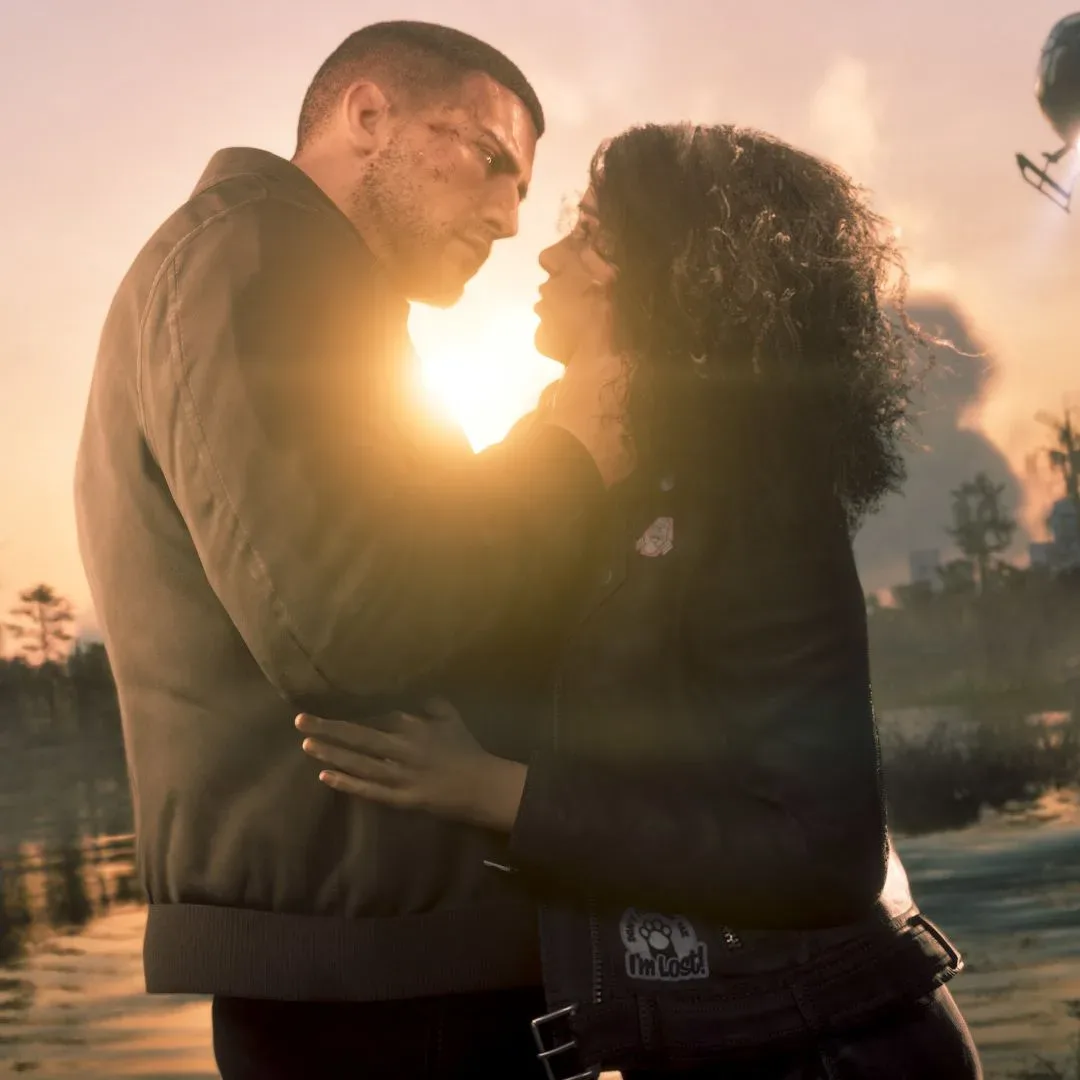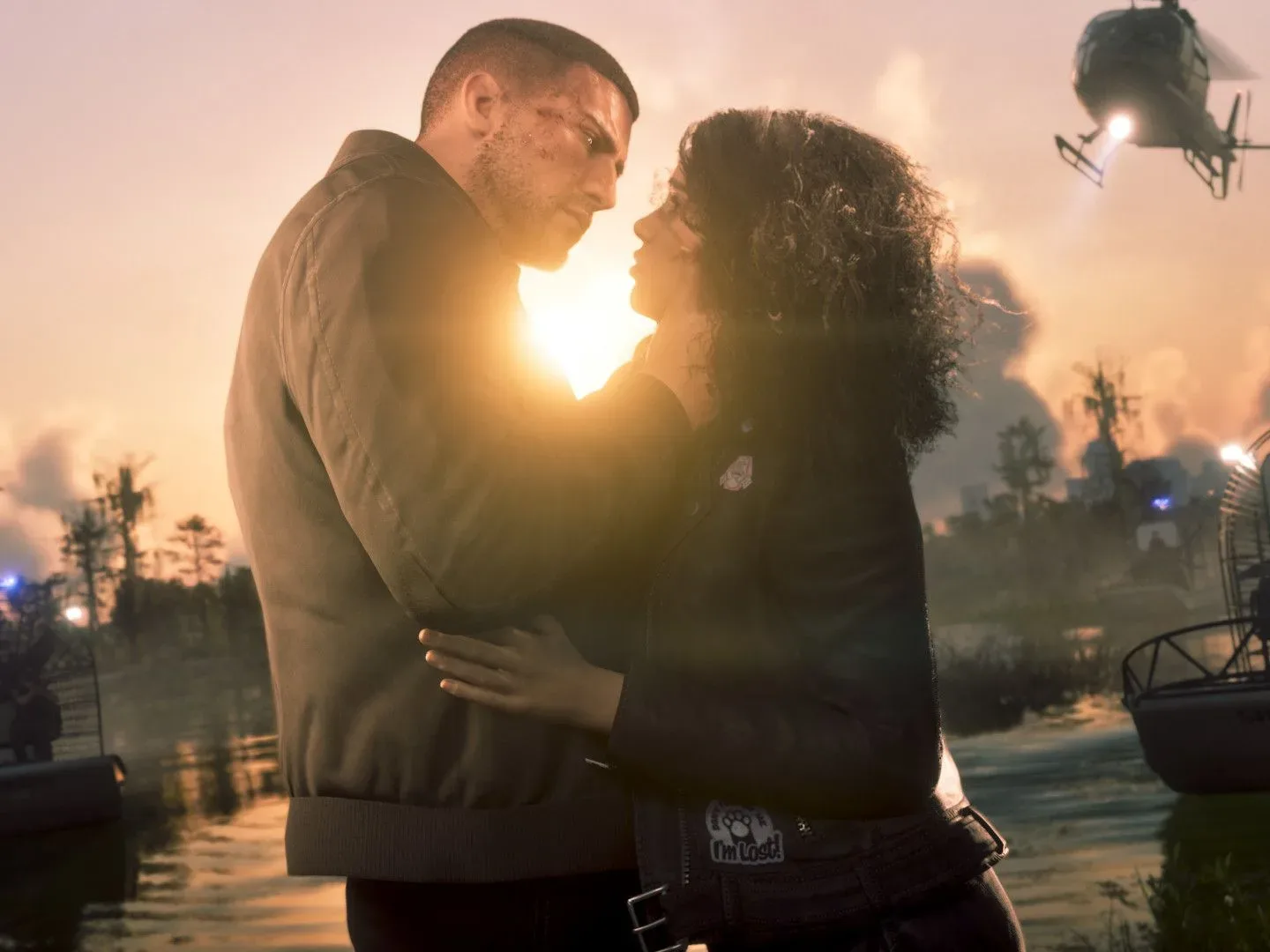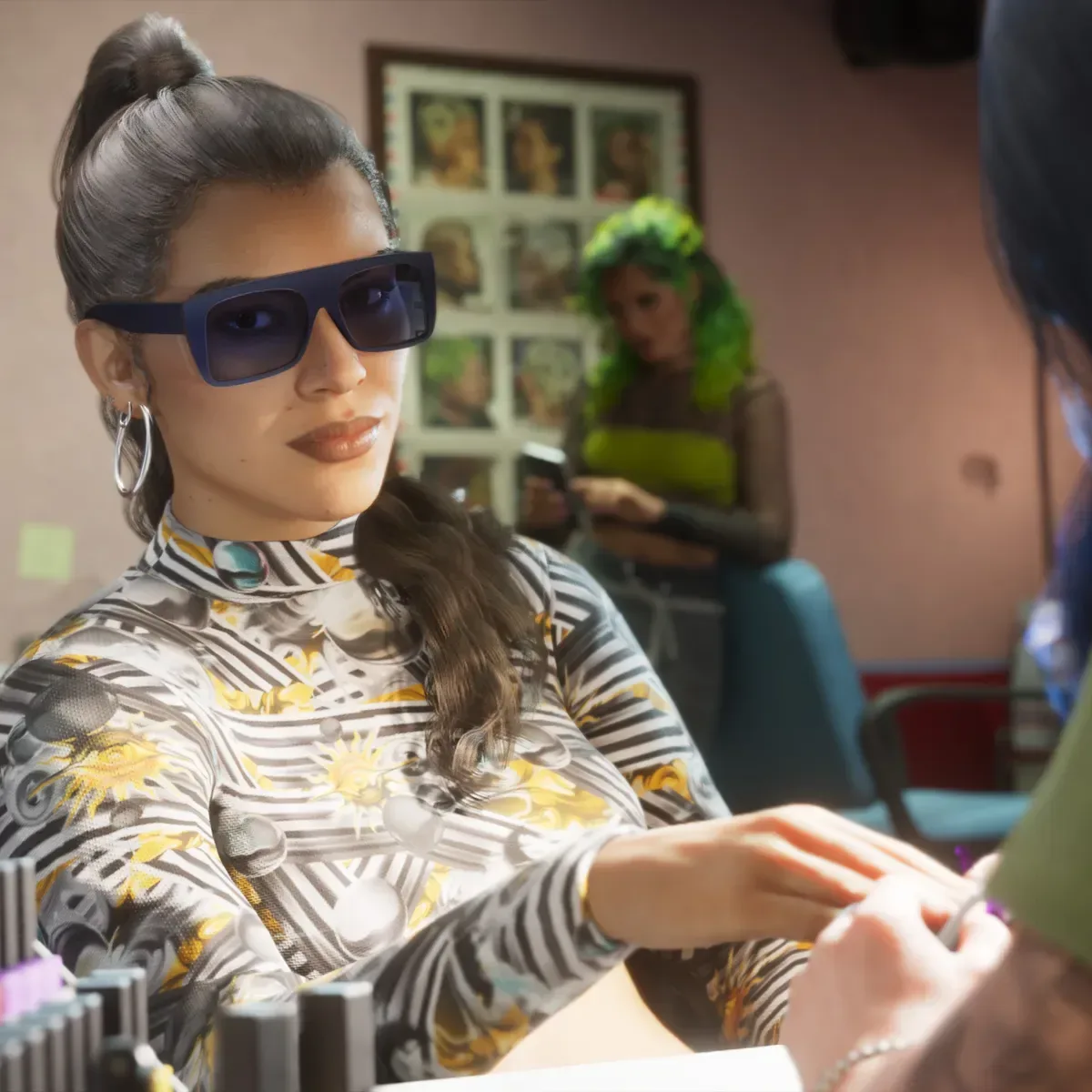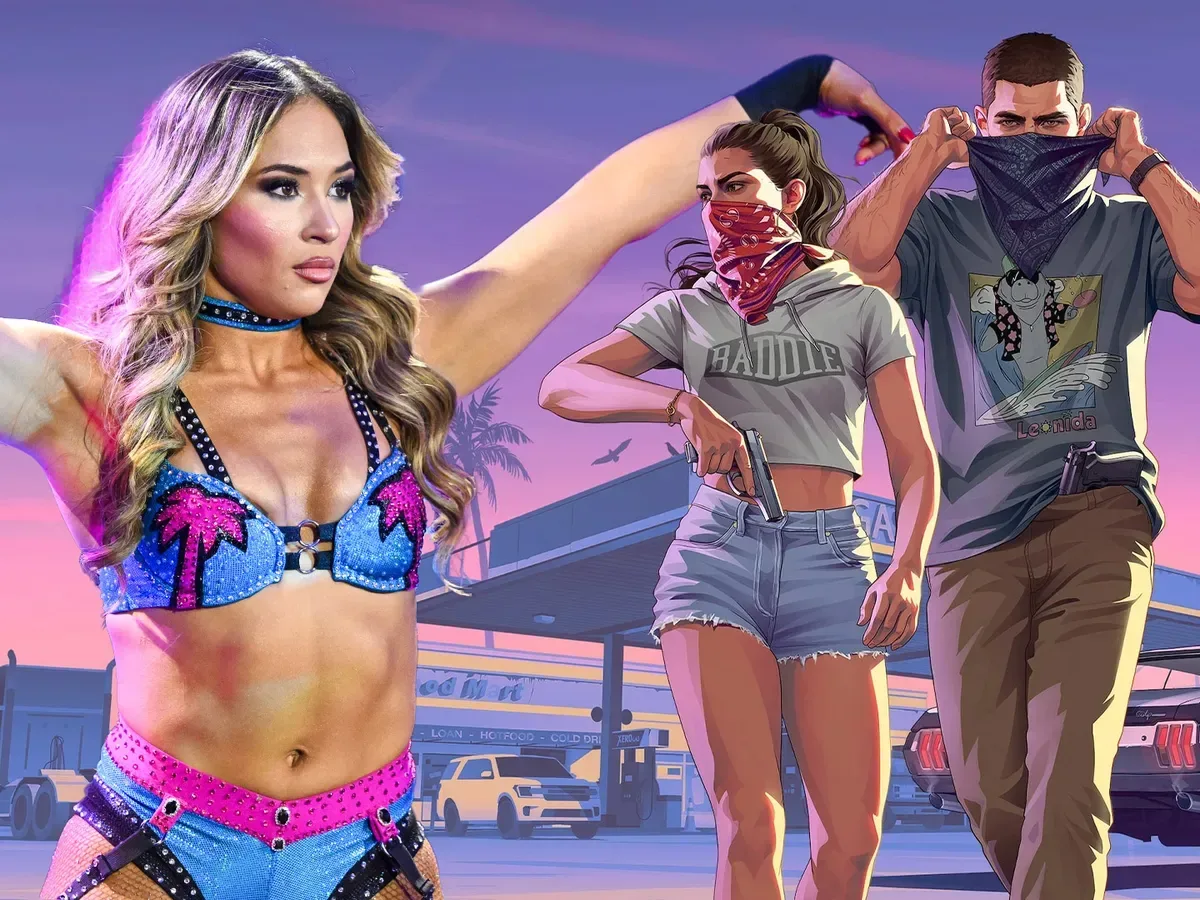
A former Rockstar open-world designer has cast doubt on the idea of Grand Theft Auto 6 arriving on Nintendo Switch 2, arguing that the technical compromises and extra development work may not make business sense for a game expected to bring dedicated fans to the platforms already set to receive it.
Jérémy Hartvick, who worked on GTA 6 between 2017 and 2020, discussed the possibility in an interview that is currently private. His comments are useful as one former developer’s perspective on platform strategy and open-world optimization, but they are not an announcement, confirmation, or denial from Rockstar. Nothing in the comments establishes Rockstar’s current plans for Switch 2, PC, or any later releases.
Still, Hartvick’s argument gets to the unusually practical question behind a potential port: a game can be popular enough to seem like it belongs everywhere, while still not being a sensible project for every piece of hardware.
The argument is about more than raw demand
Hartvick said he was not convinced that GTA 6’s audience substantially overlaps with the Switch audience. His core point was blunt: players determined to get the next Grand Theft Auto would likely purchase a console on which it is available.
That is a different claim from saying no Switch 2 owner would want the game. There will plainly be people who prefer Nintendo’s hybrid system and would welcome the option. The question is whether that group is large enough to offset the cost of making, testing, supporting, and maintaining a distinct version of a massive game.
For a platform holder, a huge third-party release can expand its software catalogue. For a publisher, however, the calculation is narrower. It must consider how many additional customers a port reaches, how much work is needed to get the game running reliably, whether that version meets player expectations, and what other work those development resources could otherwise support.
Hartvick’s position is that GTA 6 has enough pull that the players most eager to play at launch will go where the game is. The material describes PlayStation 5 and Xbox Series X as the available console options for those players. In that scenario, a Switch 2 edition would not necessarily create an entirely new audience; it could instead be a costly route to customers who already have another way to buy the game.
What “optimization” actually means for a port
The other half of the former developer’s reasoning is technical. Hartvick suggested that a Switch 2 version could require the game to be scaled back and optimized, potentially producing an experience that does not run the same way as versions on the target consoles.
Related coverage includes Former Rockstar Designer Questions Whether GTA 6 Needs a Switch 2 Port.
Optimization is often used as a catch-all term, but it does not simply mean pressing a button marked “make game faster.” It is the ongoing work of ensuring a game performs consistently within a device’s memory, processing, graphics, storage, thermal, and battery-related constraints. For a large open-world game, that can touch many connected systems rather than one isolated graphics setting.
A porting team may need to decide how much scenery is visible at once, how quickly world data can be loaded as the player moves, how dense background activity can be, and which visual effects can remain without disrupting performance. Those choices must be evaluated in real gameplay conditions, not just in a static comparison shot. A change intended to reduce demand in one area can reveal a new problem elsewhere.
That is why “just lower the resolution” is rarely a complete answer. Resolution is one performance lever, but a game’s responsiveness and consistency also depend on how many tasks it is handling at a given moment. A sprawling game has to make many of those decisions as the player travels through the world, triggers action, enters crowded spaces, or moves quickly between areas.
Hartvick framed the risk in terms of delivering a subpar version when the game’s expected audience may already be willing to buy the hardware that runs the primary release. That does not mean a Switch 2 adaptation is technically impossible. In fact, he said the concept was not “totally ludicrous.” His argument is instead about the balance between effort, expectations, and return.
A port is a continuing commitment, not a one-time conversion
When audiences discuss whether a game can run on a system, the conversation often stops at launch-day performance. A publisher has to think beyond that milestone. A separate version can need platform-specific testing, bug fixing, certification work, post-launch patching, save-data support, and ongoing compatibility attention.
That matters especially when a game is already described as manpower-intensive. Development time is finite. A team assigned to make one version perform acceptably is not automatically available for other technical work, updates, or future projects. This is the opportunity-cost part of Hartvick’s logic: even a feasible port may lose out if its probable sales do not justify the people and time required.
There is also a perception issue. A version that is visibly or functionally compromised can shape how players talk about a release, even if it is impressive that the game runs at all. The former developer’s argument takes a conservative approach: if the key buyers are already expected to follow GTA 6 to PlayStation 5 or Xbox Series X, the incentive to risk a notably different edition becomes weaker.
It is a commercial analysis, not a moral judgment on Nintendo hardware or its owners. Nintendo has a distinct audience shaped by games such as Mario, Zelda, and Kirby, each tied to its ecosystem. Hartvick’s point is that a platform can be enormously successful and still not be the automatic home for every blockbuster.
What this means for players considering Switch 2
The practical takeaway is restraint. There is no official Switch 2 version to treat as imminent based on these comments. Players whose GTA 6 plans depend on Nintendo hardware should not read a former employee’s skepticism as either secret knowledge of a cancelled port or evidence that a future port cannot happen.
There are three separate questions that are easy to blur together:
- Could GTA 6 be adapted to another platform? Hartvick did not rule the idea out.
- Would adapting it require meaningful compromises and resources? His view is yes.
- Will Rockstar choose to do it? The comments do not answer that question.
The same discipline applies to PC discussion. The supplied material identifies PC as absent and presents a later PC release as likely, but that expectation is not the same as an official timetable. Anyone deciding where to play should rely on announced platforms and release information rather than assumptions about when another version may arrive. For a broader look at how PC storefront tools can affect which games reach players, see our coverage of Steam’s personalized discounts and events feed.
Anticipation is also creating a collectibles warning
The wider GTA 6 frenzy is already spilling into physical merchandise. The supplied information says scalpers are attempting to resell Rockstar’s $400 Collector’s Box for more than $1,500, despite it still being in stock.
That detail has a simple consumer implication: availability matters more than urgency. A high resale listing does not establish that an item is sold out, rare, or worth the asking price. For collectors who want the box rather than the drama around it, checking the official availability before paying a secondary-market premium is the most useful first step.
It also reinforces the scale of interest surrounding GTA 6. Major games generate demand not only for the game itself, but for special editions, hardware speculation, platform rumors, and resale listings. That attention can make every unconfirmed possibility feel more concrete than it is.
The important distinction: informed opinion versus current plan
Hartvick’s development background makes his explanation of the trade-offs worth considering. He has described the competing pressures clearly: an uncertain audience overlap, the pull of the initially supported console versions, and the labor involved in adapting an exceptionally demanding open-world release.
But his work on GTA 6 ended in 2020, and the interview is currently private. His comments should therefore be read as a reasoned outside assessment from a former contributor, not a window into Rockstar’s present technical targets or publishing roadmap.
For now, the most defensible reading is straightforward. A Switch 2 edition is not ruled out by the former designer, but he sees little reason to expect one soon. Until Rockstar says otherwise, the debate remains a discussion about market fit and development trade-offs—not a confirmed plan for GTA 6 on Nintendo’s platform.