Global Citizen Festival 2026 has been canceled ahead of its planned Saturday program at the Great Lawn in New York City’s Central Park. Organizers said forecasts for extreme weather created conditions in which they could not safely stage an event designed to bring tens of thousands of attendees, performers, workers, vendors, partners and substantial production equipment into the park.
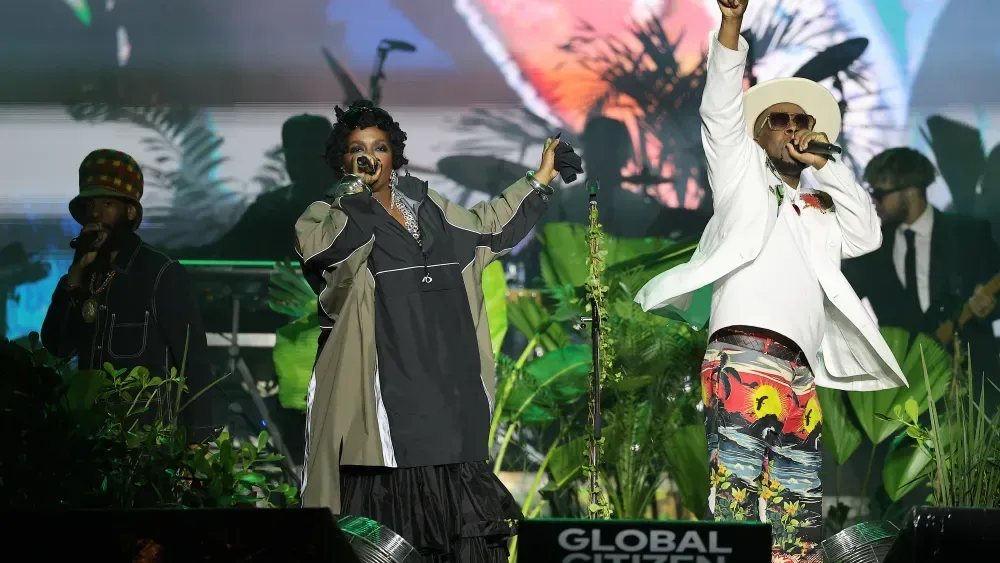
The cancellation ends a 14-year run without the festival previously having to call off its event. Its scheduled lineup included Lauryn Hill, Wyclef Jean, Lenny Kravitz and John Legend, with Lainey Wilson, Shaboozey, Tomorrow X Together, Victoria Monét, Yeonjun, Yoshiki and Alicia Keys with friends also listed to appear. Hugh Jackman had been set to host.
Why the festival was canceled
The key issue was not simply the possibility of an uncomfortable outdoor day. Organizers described the forecast conditions as dangerous and said that their contingency work could not produce a viable, safe alternative. That distinction matters for a large event in a public park: a decision has to account for the audience, artists, crew, vendors, staff and the equipment necessary to build and operate the show.
In practical terms, a festival cancellation of this scale affects much more than a performance schedule. The planned site has to accommodate large crowds as well as staging, technical infrastructure, food service and the people responsible for every part of the event. When the forecast makes that environment unsafe, proceeding would mean asking every one of those groups to accept the same elevated risk. Organizers said safety had to take priority.
The festival had been working through potential alternatives during the week, but determined that those options ultimately were not possible. That explains why the decision arrived as a full cancellation rather than a delayed start, shortened lineup or site adjustment. No replacement date or rescheduled event was announced in the information provided.
Refunds for ticket holders and donors
People who purchased tickets are set to receive refunds automatically. Those who secured tickets through a donation will also receive refunds, with options to be sent by email. Attendees should therefore watch the email address associated with their ticket or donation rather than assume they need to take immediate action at the festival site.
That difference in wording is important. An automatic refund indicates that a direct ticket purchaser does not need to begin a separate refund request based on the available details. For donation-based ticket recipients, the organization said it would provide options by email, so the next step will depend on that message. The announcement does not provide a timetable for when funds will appear, nor does it lay out the precise options for donors; those details should not be inferred until the email arrives.
- Purchased tickets: refunds are planned automatically.
- Tickets obtained through donations: refunds are also planned, with email options to follow.
- Festival food: food intended for the event will be donated to local New York City organizations.
The food donation is a small but concrete effort to redirect supplies that were already intended for the festival. It does not change the disruption for fans or workers, but it means prepared event resources are expected to serve local organizations rather than simply go unused.
A difficult weekend for New York’s outdoor festival calendar
Global Citizen Festival was not the only affected event. The three-day All Things Go NYC Festival was also canceled because of the extreme weather conditions, with that decision announced only hours before doors were due to open on Friday afternoon. Taken together, the cancellations show the broader impact that a serious forecast can have on outdoor cultural events across the city.
There is an unavoidable human side to a cancellation of this kind. Fans lose an anticipated day of live music, performers lose a scheduled appearance, and crews and vendors lose the event they had prepared to support. Yet the decision also reflects the reality that a festival cannot be reduced to the artists on a poster. Safe access, working conditions and a secure operational site are fundamental parts of the event itself.
Global Citizen framed the cancellation against wider pressures including conflict, extreme weather and rising costs, which it said are displacing families, interrupting education, endangering food supplies and deepening poverty. Its message to participants emphasized that the actions they had taken in connection with the festival retain value even though the Central Park gathering will not happen.
What “contingencies” means in this situation
Organizers said they explored “contingencies,” a term used for backup plans when the original event plan can no longer be carried out as intended. A contingency might involve altering operations or evaluating other ways to proceed, but the announcement does not specify which alternatives were considered. What is clear is that none met the requirements needed to safely host the planned crowd and production on the Great Lawn.
It would be wrong to treat that outcome as evidence that organizers did not plan for bad weather. Their statement says they spent the week examining options. The relevant point is that contingency planning does not guarantee a workable solution when the forecast reaches a level that makes the event environment unsafe. Sometimes the responsible backup plan is to stop rather than attempt a compromised version of the original event.
That operational reality extends beyond music. Entertainment organizations regularly have to balance a public-facing creative program against on-the-ground conditions and the people required to execute it. Broader business changes can also reshape how entertainment projects are supported and distributed, as seen in recent restructuring news involving Endemol Shine North America. In the case of Global Citizen Festival, however, the stated reason for cancellation is specific: an extreme-weather forecast and the safety risk it posed at the scheduled outdoor venue.
The lineup that will not take the Central Park stage
The halted program had brought together artists from several corners of contemporary music. Lauryn Hill and Wyclef Jean were among the names scheduled for the Great Lawn, alongside Lenny Kravitz and John Legend. The wider bill also included country artist Lainey Wilson, Shaboozey, K-pop group Tomorrow X Together, Victoria Monét, Yeonjun and Yoshiki, while Alicia Keys was announced with friends.
That breadth reinforces why a festival-day cancellation has many moving parts: multiple artists, crews, technical teams and audience groups all converge on a single outdoor production. Still, no conclusions should be drawn about individual performers’ future appearances, alternative shows or rescheduling plans. The available announcement confirms only that the 2026 festival date has been canceled.
For now, the clearest information for affected attendees is straightforward: do not expect Saturday’s Central Park festival to proceed; direct ticket purchases are to be refunded automatically; donation-ticket recipients should look for the promised email; and food planned for the event is to be directed to local organizations. The 2026 edition will be remembered as the first cancellation in the festival’s 14-year history, prompted by conditions organizers concluded they could not safely manage.