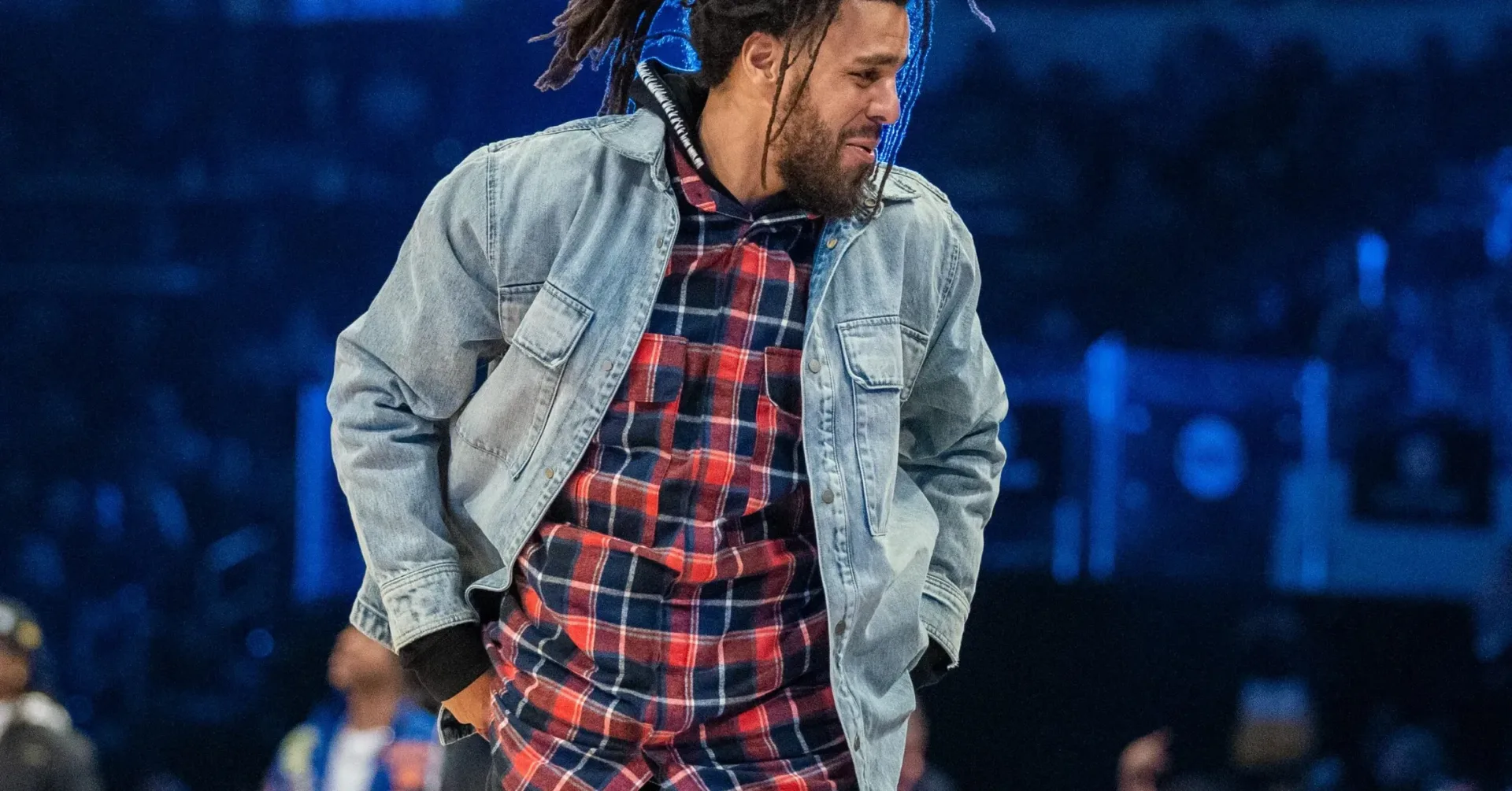
J. Cole’s long-gestating Indie 5000 sneaker is finally poised to reach buyers, beginning with a hometown-first release in Fayetteville. The launch marks the end of a five-year development process that Cole says was handled independently from design through manufacturing.
“5 years in the making,” Cole wrote while reflecting on the project. He said he took the time needed to get it right and described the shoe as designed, developed and manufactured independently. That distinction is the central story behind the Indie 5000: this is not simply an artist-branded colorway attached to an existing major-label footwear operation. It is presented as Cole’s first fully independent shoe project.
The Fayetteville rollout also gives the release a specific sense of place. Rather than making the hometown a footnote after a wider launch, the city is receiving first access. Details on a broader release, including timing, have not been established here, so prospective buyers outside Fayetteville should avoid treating the local debut as confirmation of a larger availability plan.
A five-year route from tease to release
The Indie 5000 has been visible in fragments for years. Cole initially teased the sneaker through Dreamer long before confirming that it would be released. That prolonged timeline made the project a point of attention for followers who had seen hints of the design but no finished retail moment.
The length of development is notable not just because it built anticipation, but because the finished shoes had reportedly been manufactured for some time before the launch could move forward. During a fan AMA earlier this year, Cole said the footwear itself was ready; the hold-up came down to an error involving the boxes.
Packaging can seem peripheral beside the shoe, but it is part of the final product—especially for a premium physical release. A problem with boxes can affect presentation, logistics and the consistency of the launch. In this case, the stated packaging issue apparently mattered enough to delay putting completed pairs into circulation rather than pushing the product out in a form Cole did not want.
That decision fits the broader message around the Indie 5000. The project has been framed around patience and control, not a quick celebrity crossover. A delay caused by a small production mistake is frustrating for people waiting to buy the shoe, but it also illustrates one practical consequence of managing an independent product: there is no obvious reason to separate the standards for the footwear from the standards for the item that contains it.
What “independent” means in this release
In footwear, an artist collaboration often involves a large sportswear company that already has established factories, distribution networks, product-development teams and an existing sneaker platform. The Indie 5000 takes a different route. Cole’s description places design, development and manufacturing under an independent effort rather than a major sportswear partnership.
That does not mean the shoe was made without collaborators. The Indie 5000 was made in Italy and developed with Italian designers Cole worked with during the process. Independence here is better understood as ownership and project direction outside a big athletic-footwear partner, rather than one person literally performing every stage of design and production alone.
Product development refers to the work of turning an idea into a makeable, finished object: refining the shape, choosing materials, working through construction and preparing the design for production. Manufacturing is the physical making of the footwear. Keeping those areas within an independent project means taking responsibility for more of the decisions—and, as noted with the Indie 5000, more of the financial burden.
Going without a large partner can increase costs for the person leading the release. It can also make each decision more directly connected to the creator’s priorities. Cole had previously worked as a signature collaborator with PUMA, making the Indie 5000 a meaningful change in approach rather than his first connection to footwear. The distinction is that this pair is identified as his first fully independent project.
For collectors and fans, that context may matter as much as the shoe’s visual identity. A sneaker’s appeal can include its materials, silhouette and scarcity, but the process behind it can also become part of the object’s significance. The Indie 5000 arrives with a clearly defined origin story: years of development, a delayed release after a packaging mistake, Italian production and a hometown-first debut.
The design: a retro basketball direction
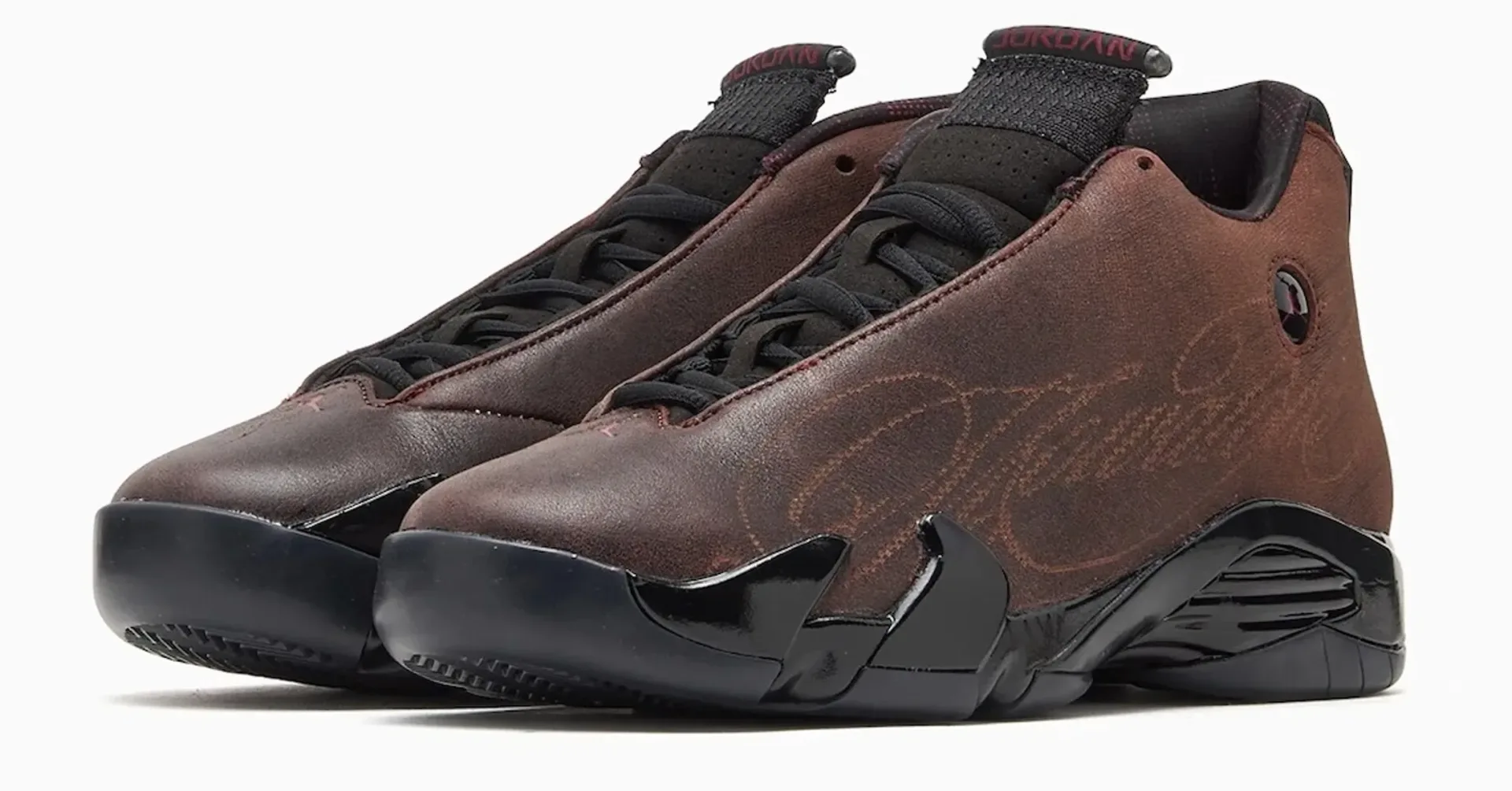
Images that later appeared through The Fall-Off Magazine, Cole’s hip-hop publication, provided the clearest public look at the Indie 5000 before release. The sneaker has an old-school basketball-inspired build, with layered panels and pronounced tooling.
Layered panels are overlapping sections of a shoe’s upper, the material that wraps around the foot. They can define the silhouette and create visual depth through different cuts, textures and material changes. Tooling, in this context, means the shaped elements used in constructing a sneaker’s sole and overall form—particularly the more sculpted or exaggerated visual treatment of the bottom unit.
The preview also pointed to premium leather, netting and branded details. Leather gives the upper a more substantial, classic material presence, while netting introduces a contrasting texture and can recall basketball-shoe design language. Together with the layered construction, those elements suggest a shoe that is deliberately leaning into a heritage-styled court aesthetic rather than a minimalist running-shoe profile.
It is worth keeping the available information in proportion, however. The public preview supports an assessment of the Indie 5000’s broad design direction and materials, but it does not establish performance characteristics, comfort, sizing, durability or technical specifications. The basketball influence describes the look and construction cues seen so far; it should not be taken as a claim about modern on-court performance.
Why the Fayetteville opening matters
Launching first in Fayetteville gives the Indie 5000’s debut a connection to Cole’s home city that goes beyond branding. The decision places the earliest opportunity to purchase the pair in the community most closely associated with him before any indicated expansion elsewhere.
That approach is especially fitting for an independently developed product. Major releases can often feel designed for immediate scale. A local-first start instead puts emphasis on where the project begins. It does not answer how many pairs exist, whether future releases will use the same method, or how distribution may change later; none of those details have been confirmed. But it does establish the order of access clearly: Fayetteville comes first.
The release also enters a broader culture where physical pop-culture products often carry stories beyond their materials. The same attention to a tangible item’s presentation and identity can be seen in news around a teased LEGO Dragon Ball display release, though the Indie 5000 remains a distinct footwear project with its own production path.
What is confirmed—and what remains open
The strongest confirmed points are straightforward. The Indie 5000 has been in development for five years. It was independently designed, developed and manufactured; it was made in Italy with Italian designers involved; it has a retro basketball-inspired visual approach; and it is set to launch first in Fayetteville. The shoe’s wait was extended even though manufacturing had been completed, with a mistake on the boxes identified as the reason.
What remains unconfirmed in the available details is equally important for anyone following the launch. There is no stated price, production quantity, full release calendar, platform list, wider regional rollout or verified performance specification. There is also no basis to assume the sneaker will be limited, broadly available, or released again after the Fayetteville opening.
For now, the Indie 5000 stands as the product of a long, unusually direct route: an artist with prior experience in major-brand footwear choosing to build a shoe independently, accepting the added complexity that comes with that choice, and bringing the finished project to his hometown first.