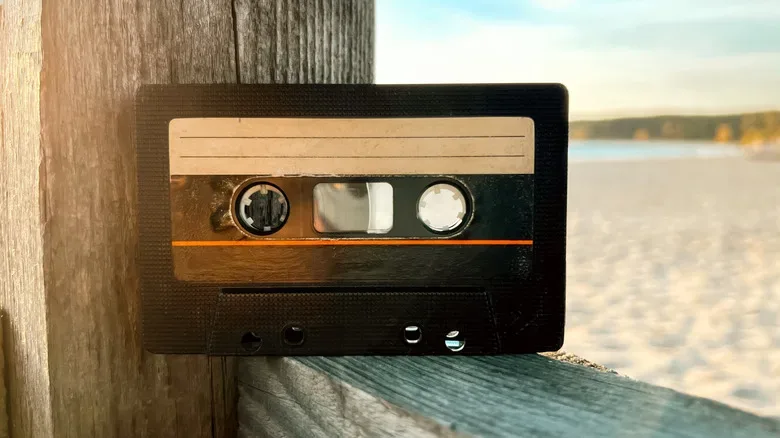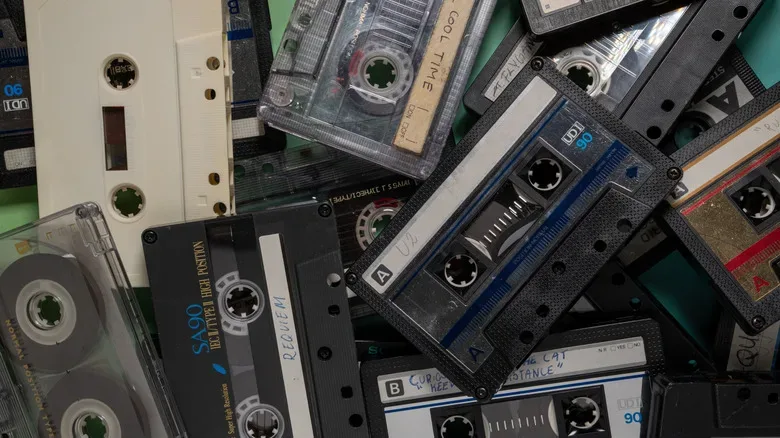
For anyone with a shoebox of mixtapes, radio recordings, or store-bought albums tucked away in a closet, cassette tape longevity is less a question of one fixed expiration date than a question of care. A commonly cited expectation is roughly 30 years, but that figure assumes good storage conditions. Treat tapes badly and their usable life can shrink dramatically; protect them from the conditions that accelerate wear and they may remain playable for decades.
That distinction matters for collectors and nostalgia-minded listeners alike. A cassette is not merely a little plastic rectangle containing an album. It might hold a road-trip mix, a recording made from the radio with a DJ still audible at each end, or a handmade tape given to someone at a pivotal moment. The musical conversation keeps moving—whether it is a new release or discussion around today’s changing album releases—but an old tape can preserve a particularly personal version of how music was heard and shared.
Why cassette age is only part of the story
Cassettes inevitably age, even under ideal conditions. Their audio is stored on a thin strip of magnetic tape, and the material that binds the tape’s coating can gradually lose lubrication and eventually detach. That is a physical limitation of the format, not a failure caused solely by neglect.
Still, age alone does not dictate whether a tape will work. Some tapes more than 30 years old continue to play without issue. Conversely, a tape stored poorly may have a much shorter life. Under unsuitable conditions, the expected lifespan can fall to as little as five years. The large gap between those outcomes is why a tape collection deserves more thought than simply packing it into the nearest spare box.
At the optimistic end, a carefully maintained cassette could theoretically survive as long as 100 years. That possibility should be understood as a best-case prospect, not a promise. It depends on the individual tape remaining in good order and on storage conditions staying favorable over a very long period. The more actionable lesson is simpler: the environment around the collection is a major factor in whether it remains listenable.
What is actually inside a cassette?
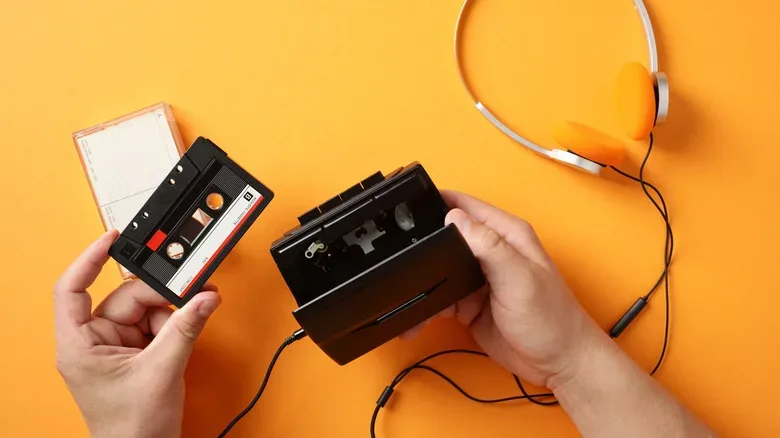
The cassette shell houses two reels connected by a narrow strip of magnetic tape. During playback, the tape passes across the player’s magnetic head. The head reads the magnetic patterns stored on the tape and turns them into electrical signals. An amplifier strengthens those signals so they can be heard through headphones or speakers.
This mechanism explains why both the tape and the player require attention. The tape has to travel smoothly and remain properly wound. The player’s head needs to be clean enough to read what is recorded on that moving strip. A cassette can therefore be in decent condition while playback is compromised by a neglected deck, just as a well-maintained player cannot fully compensate for a tape that has deteriorated.
Binder coating is an especially useful term for cassette owners to know. In this context, it refers to the coating that helps hold the tape material together. With time, that coating can lose lubrication, become sticky, and eventually come away. Keeping a tape unused forever is not necessarily a preservation strategy; occasional playback is advised because lack of use can contribute to stickiness alongside the gradual loss of lubrication.
The storage conditions that matter most
The basic rule is refreshingly unglamorous: store cassettes somewhere cool, dry, and stable. A suggested range is 59 to 73°F, with relative humidity between 25% and 55%. Just as important as avoiding extremes is avoiding frequent swings. A location that repeatedly becomes very hot, very cold, or damp is not an ideal long-term home.
Keep tapes away from direct sunlight, moisture, dust, dust mites, animals or insects, and magnetic fields. These are not cosmetic concerns. Sunlight and heat can make a poor location harsher over time; moisture and humidity are central risks; dust can accumulate on cases and equipment; and magnetic fields are worth avoiding because the cassette format relies on magnetic information to produce audio.
For that reason, an attic deserves scrutiny before it becomes the automatic destination for old media. Attics can bring temperature variation, humidity issues, and constant window light. If attic storage cannot be avoided, a plastic tub is preferable to a cardboard box. That does not make every attic an ideal archive, but it is a more sensible container choice for a place that may be prone to environmental fluctuations.
A practical cassette-care checklist
- Keep every cassette in its protective case when it is not being played.
- Choose a cool, dry spot within the suggested 59–73°F temperature range and 25–55% humidity range where possible.
- Avoid direct sun, moisture, dust, pests, and magnetic fields.
- Wipe dust from the outside of cassette cases periodically, including with a gentle Q-tip if needed.
- Clean the tape heads in the playback device as well as caring for the tapes themselves.
- Play tapes from time to time rather than assuming permanent inactivity is safest.
- When finished, rewind the cassette to the beginning to reduce stress and uneven winding.
Rewinding is more than a nostalgic ritual
“Be kind, rewind” may be most closely associated with VHS rentals, but the habit applies neatly to compact cassettes. Rewinding after listening helps minimize uneven winding and stress on the tape. Using the deck’s rewind function is the preferred route over the old pencil-in-the-spool workaround, however iconic that image may be.
There is a broader collecting lesson here: preservation is a series of small decisions, not one dramatic rescue operation. Leaving a tape exposed after listening, letting dust build up on a player, or repeatedly allowing a collection to sit in an unsuitable environment can matter more than whether the cassette happens to be a beloved original album or an unrepeatable homemade compilation.
Digitization is the sensible backup plan
Physical preservation and digital preservation can work together. Because tapes will deteriorate over time even in favorable conditions, digitizing important recordings is a practical way to preserve their contents before playback becomes unreliable. Owners can use a digitization service, or connect a cassette player to a computer and record the audio as digital files with software such as Audacity.
This is particularly worthwhile for tapes whose value is personal rather than replaceable: family recordings, custom playlists, rare radio captures, or mixtapes made for a specific person or occasion. A digital copy does not erase the appeal of keeping the original object. The handwritten label, scuffed case, sequencing decisions, and even a DJ cutting into a song are part of the cassette’s character. But a backup ensures that the audio is not tied entirely to the health of one aging strip of tape.
Playback hardware may ultimately be the more immediate obstacle for some owners. Many households have replaced boomboxes with Bluetooth speakers, and a working cassette deck may no longer be within reach. Retro-oriented devices that combine cassette decks with newer listening options remain available, as do portable Walkman-style players. Before treating a tape as lost, it is worth separating two questions: is the cassette unplayable, or is there simply no convenient player left to try it on?
A collection built to be heard
Cassette tapes are often valued because they are tangible reminders of a particular listening culture: recording favorite songs from the radio, making mixes for parties and trips, or wearing out a favorite album through repeated plays. The best approach is neither panic nor complacency. Do not assume a tape is already gone because it is old, and do not assume it will remain safe forever because it played once.
Give the collection a stable place, retain the cases, keep the player clean, rewind after use, and make digital copies of material that cannot be replaced. Those straightforward steps offer the strongest chance that the next time someone reaches for an old cassette, the music—and the memory attached to it—will still be there.