Keep Joking Joystick in your feed.Choose us as a preferred source on Google.
Add as a Preferred Source on Google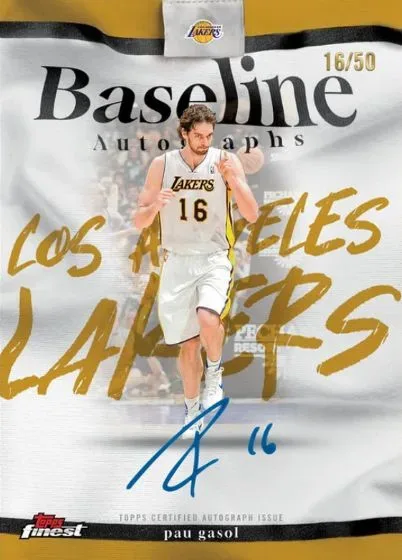
2025-26 Topps Finest Basketball
- Brand
- Topps
- Sport or category
- Basketball
Last checked
Shop this card release
2025-26 Topps Finest Basketball trading cards
We may earn a commission if you buy through these links, at no extra cost to you. As an Amazon Associate I earn from qualifying purchases.
Opens retailer search results. Check the model, edition, seller, availability and current price before buying.
About this set
2025-26 Topps Finest Basketball brings the Finest style back to a fully NBA-licensed basketball release, with a tiered 300-card base set, layered parallel collecting, and a named mix of autographs and inserts. The product keeps the line’s visual identity front and center, so player collectors can focus on tier differences, design themes, and the autograph and insert names that fit their target chase.
What defines this release
This edition is built around a familiar Finest approach: bold graphics, reflective-style presentation, and a checklist organized to give the same player more than one kind of card. The 300-card base set is split into multiple tiers, and each tier uses its own image and parallel structure. That makes the set feel less like a single checklist and more like a layered collection of versions, with each tier giving a different look at the same names.
The return to a fully NBA-licensed format gives the release a clear collecting identity. For basketball collectors, that matters because the set is not just about finishes and colors; it is about recognizable league presentation paired with the Finest tradition of striking surfaces and deliberate visual contrast. The result is a product that rewards patient player collecting as much as chasing standout cards.
Base tiers and parallel choices
The common tier is the most accessible layer and leans into bright, swirling backgrounds with vivid color. Circles and rounded rectangles shape the design, giving these cards a lively, modern feel. The uncommon tier shifts the emphasis toward circular motifs, adding more spheres across the background and using straight lines and rounded shapes to create extra motion. The rare tier is the most dramatic of the three, with angled rounded rectangles crossing diagonally in front of a large central circle, which gives the card a stacked, dimensional look.
Because the tiers are visually distinct, collectors can choose between building a player run across every level or focusing on one tier that fits a personal preference. Some may prefer the cleaner, more available look of the common cards, while others may want the sharper visual identity of the uncommon or rare versions. The parallel chase is part of the appeal here, but the tier structure also helps organize a collection by appearance, not just by player name.
Autographs and insert lineup
Autographs remain a major part of the release, with Baseline, Colossal Shots, Electrifying Signatures, Finest Autographs, Masters, and Rookie First all named among the autograph lines. That mix suggests a product centered on signed cards with several different presentation styles rather than one single autograph theme. For collectors, the practical choice is deciding whether to chase a broad autograph sample or narrow the focus to a specific line that fits a favorite player or aesthetic.
The insert lineup includes Finishers, Arrivals, First, and Muse. Finishers, Arrivals, and First are described as die-cut designs, while Muse adds another named insert theme. Die-cut cards tend to stand out in a Finest-style release because the format already favors strong visuals, so these inserts are likely to appeal to collectors who want variety in shape as well as design. If you enjoy insert sets, this release gives enough named themes to build around without forcing the collection into a single lane.
A collecting approach that fits the set
A sensible way to approach 2025-26 Topps Finest Basketball is to pick one main collecting angle before cards start piling up. The tiered base set invites either a team-focused build or a player-focused run across the three layers, while the parallel structure gives each path extra depth. If you prefer clean organization, you can keep common, uncommon, and rare cards separated by tier. If you prefer a more personal collection, you can treat the tiers as different portraits of the same player and choose the version that looks best to you.
Collectors who enjoy signed cards may want to treat the autograph lines as the main framework and the base tiers as a supporting layer. Others may prefer to build around the insert names, especially the die-cut designs and Muse. The set’s strength is that it gives multiple entry points without flattening them into one experience. That makes it well suited to collectors who like to make deliberate choices about appearance, player focus, and the kind of cards they want their collection to revolve around.