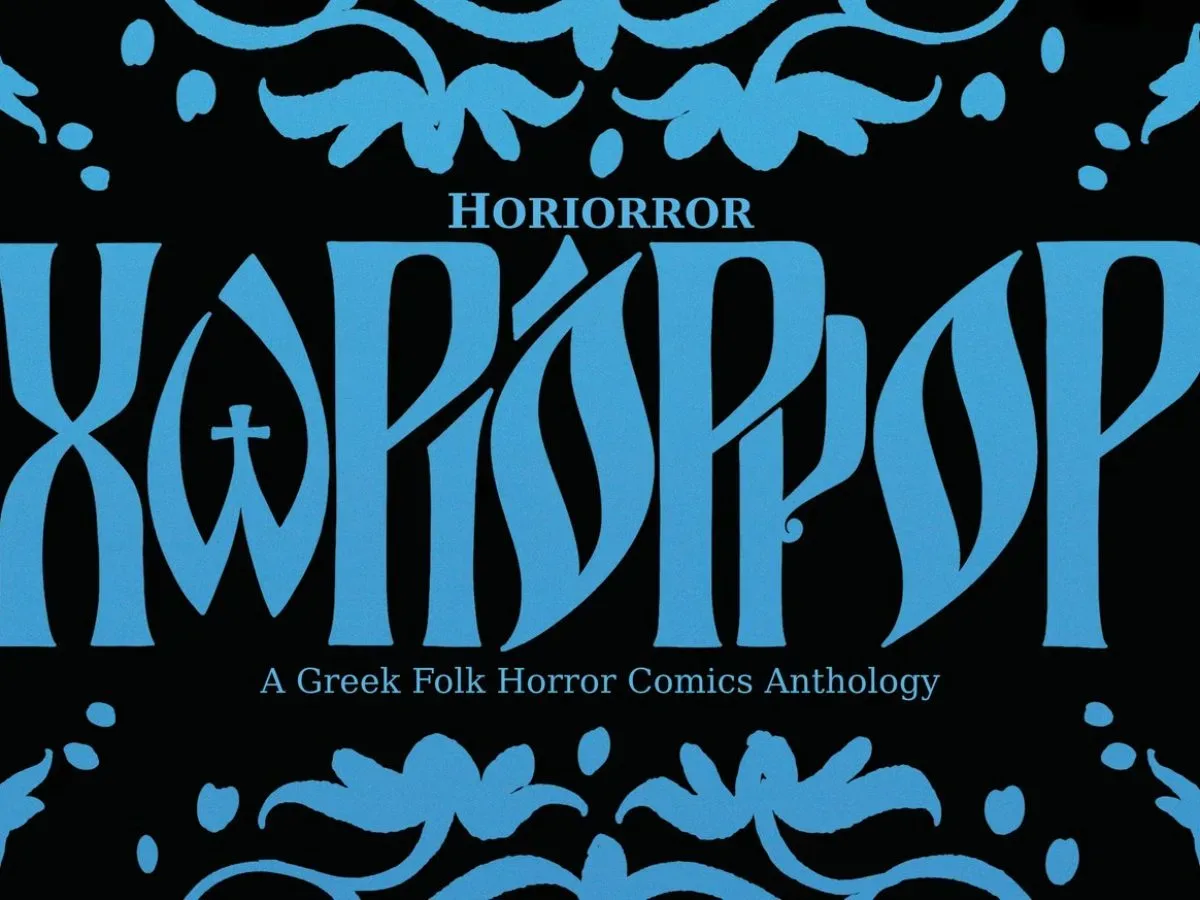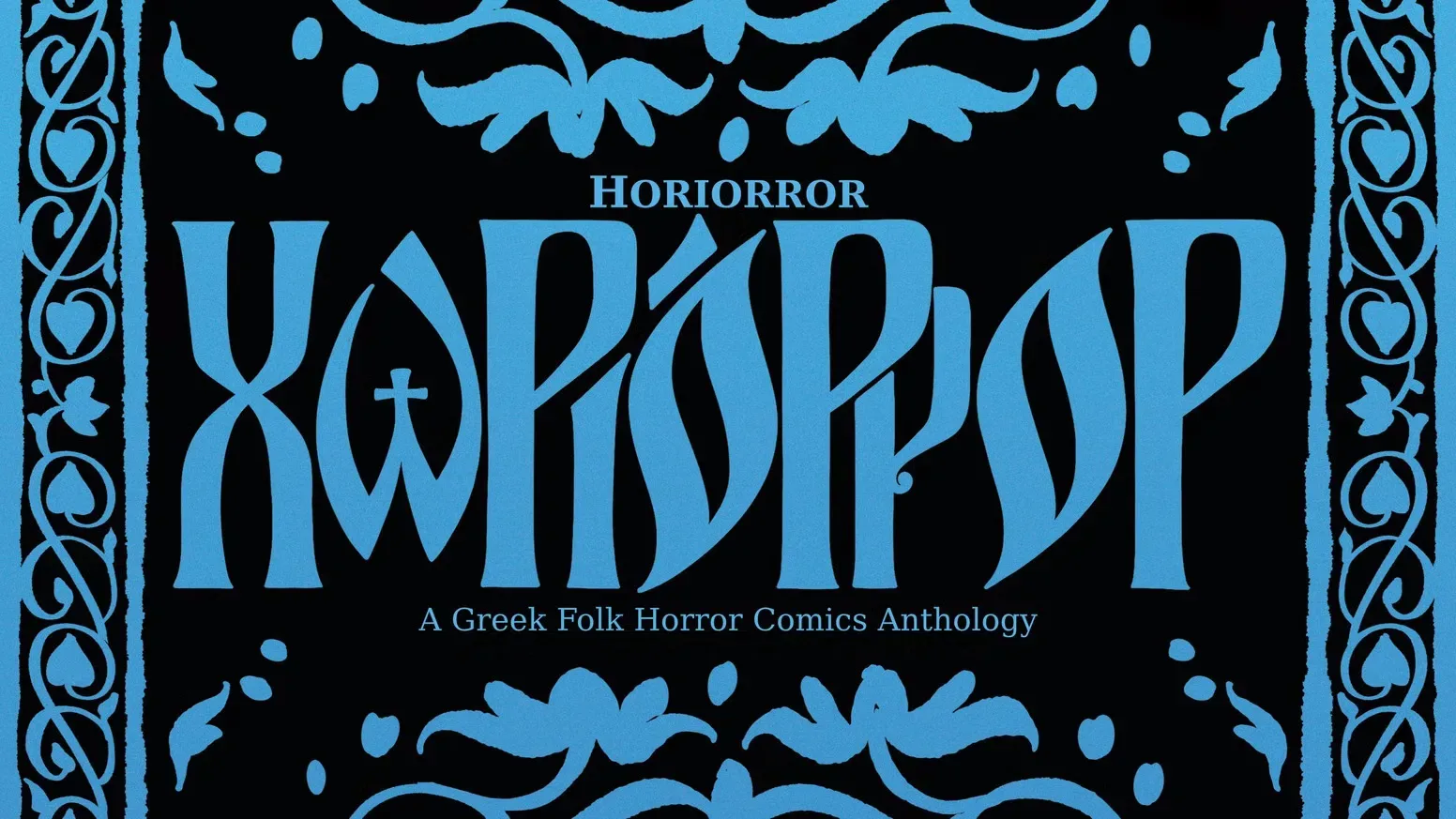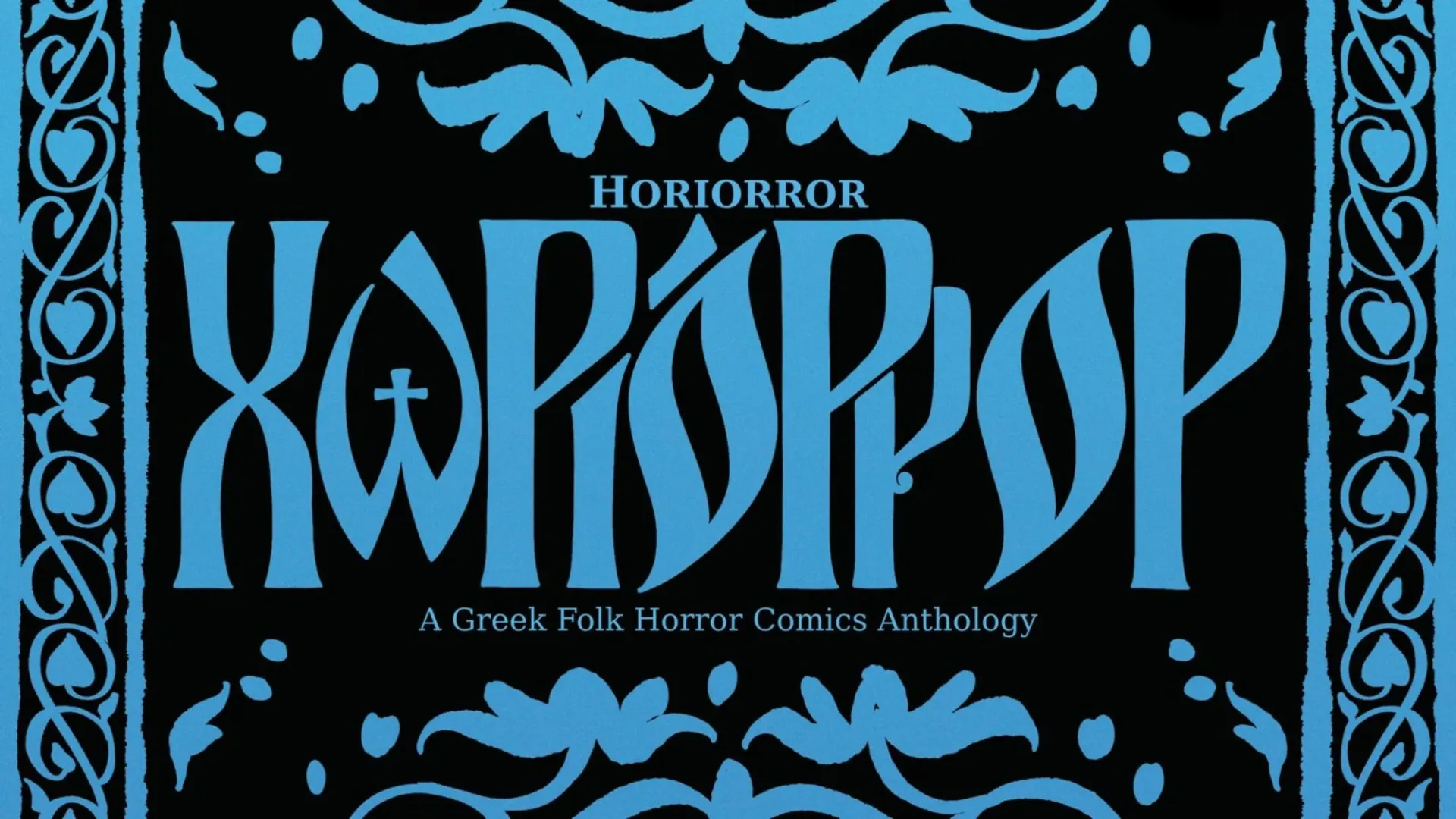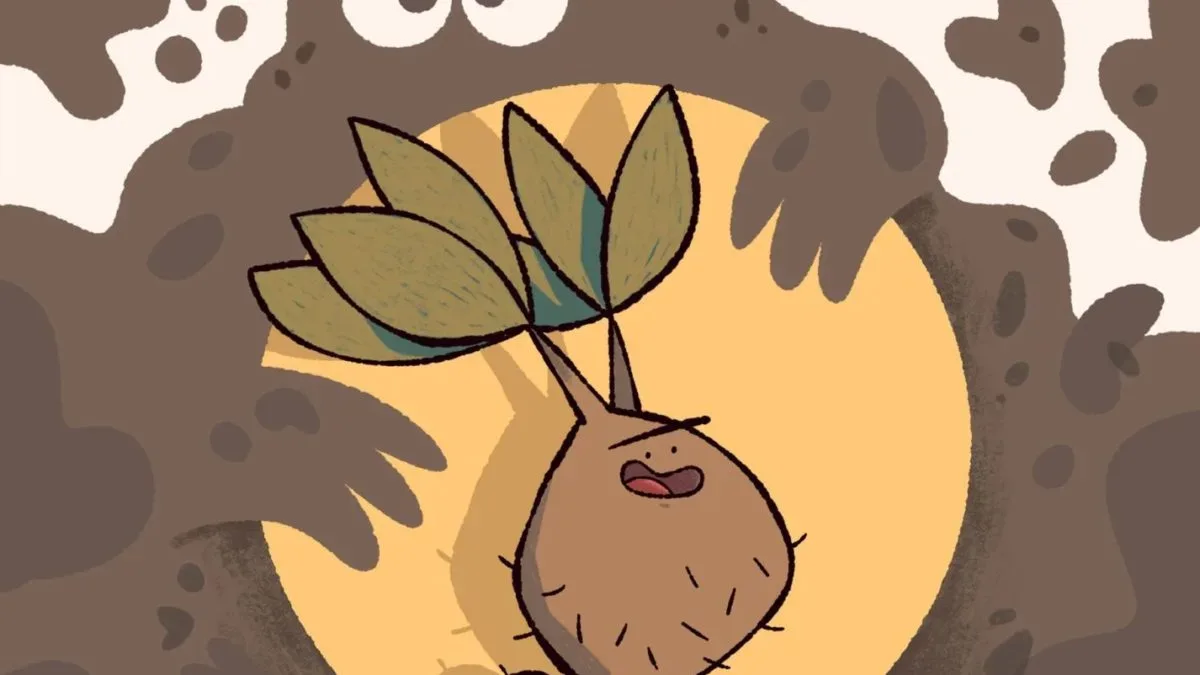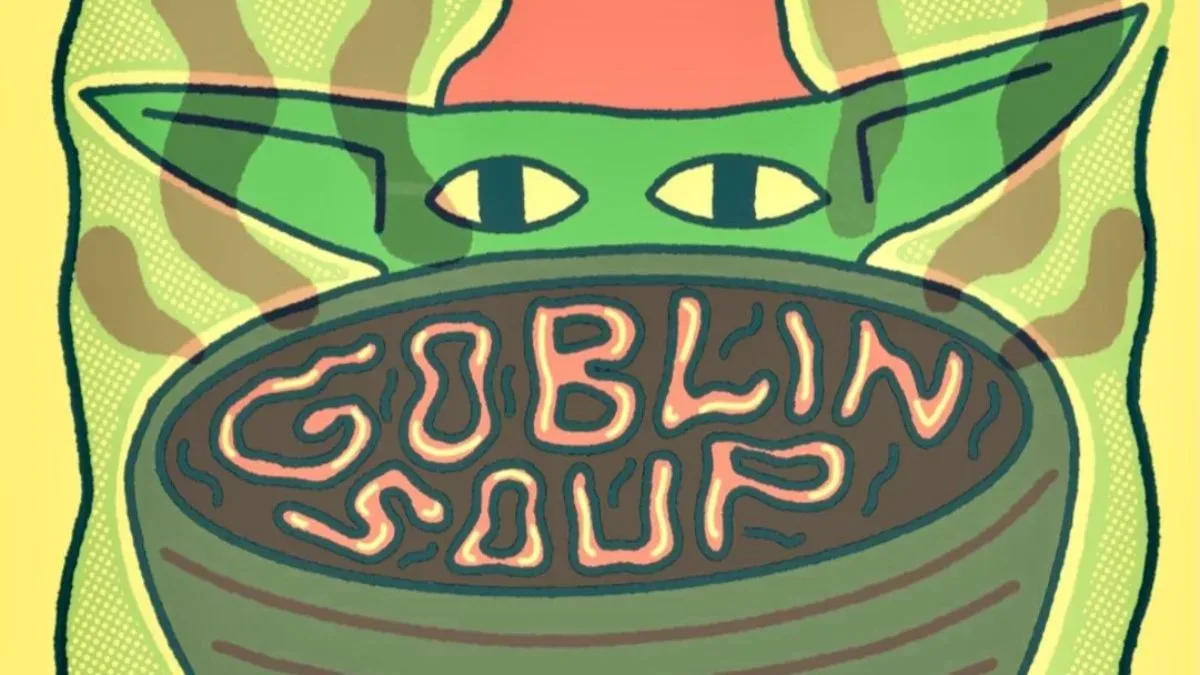
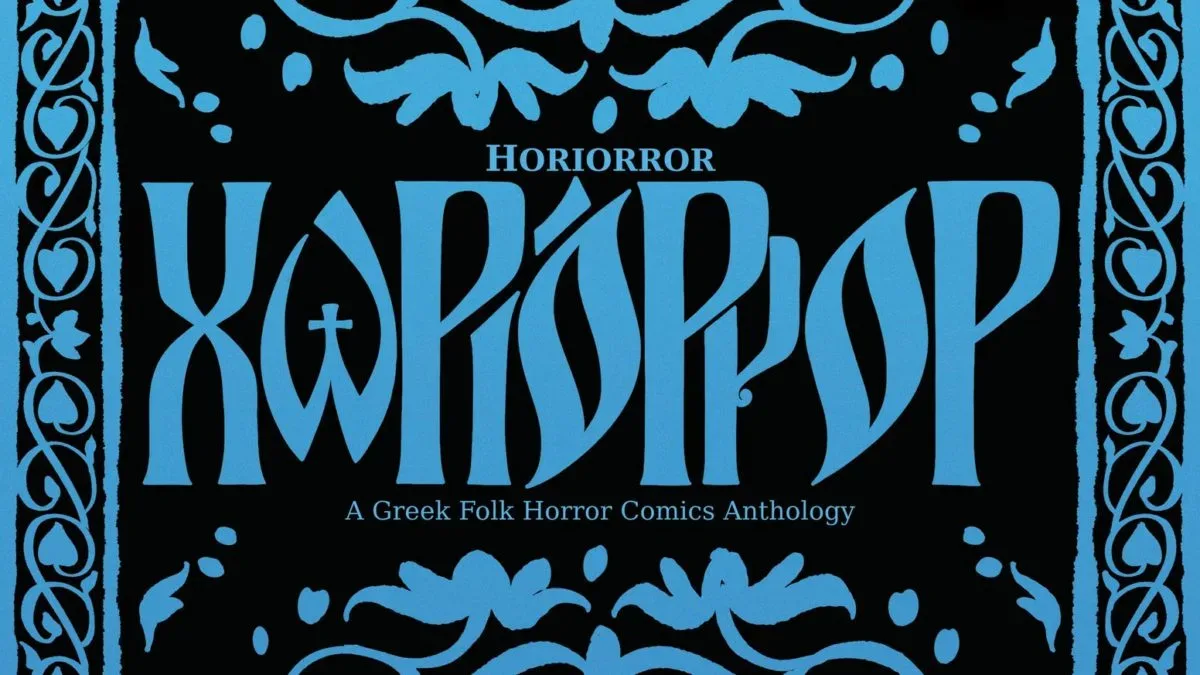
Horiorror, a self-published anthology of Greek folk horror comics, is set to appear at Thought Bubble’s 20th festival in Harrogate. Visitors can find the 140-page collection in Travelling Man Hall at table C8a during the convention on 14–15 November.
The book gathers nine stories from Ariadne Tzounakou; Nikki Spanou and Ilias Kyriazis; Philip Vlachos; Stella Stergiou; Len Gog; Smar; Steve Stivaktis; Max Rue; and Auguste Kanakis. It is marked for readers aged 18 and over.
Its title combines the Greek word for village, horio, with “horror,” which neatly frames the anthology’s central territory: the anxieties and terrors attached to rural Greece. The material draws on legends and folk tales, but the premise also leaves room for a more human kind of dread: the isolation of being different in a small community where everyone knows everyone else.
What kind of horror is Horiorror exploring?
Folk horror is a useful term here, though it can mean different things in different settings. At its core, it describes horror that finds menace in inherited traditions, local beliefs, old stories and the relationship between people and a particular place. It is less about a single monster or a shared fictional universe than the feeling that a landscape and its customs carry rules outsiders may not understand.
For more context, explore Worst Class Ever Launches on Steam With Asymmetric 1v7 Classroom Mayhem.
Horiorror applies that broad mode to rural Greece. Its stated focus on legends, folklore, isolation and close-knit communities suggests an anthology interested in fears that can be supernatural, social or inseparable from one another. A local tale may be frightening because it contains something uncanny; equally, it may reveal how a community decides who belongs, who does not, and what happens when somebody refuses to fit the expected pattern.
That scope matters for an anthology. Nine individual stories can offer several distinct approaches to a shared subject without requiring every contributor to tell the same kind of tale. One story can lean toward folklore, another toward interpersonal pressure, and another toward the unease of remoteness. The binding idea is not a recurring protagonist but rural Greek horror as a setting, a cultural lens and an emotional register.
From Greek edition to English-language collection
Horiorror was originally published in Greek. That edition sold out and received award nominations before an English edition was funded through Kickstarter. The path to an English-language release is significant because the anthology’s premise is closely tied to a specific language and setting, while the book is now positioned to reach readers beyond its original market.
Translation is not merely a logistical step for comics rooted in folklore. Terms, legends and forms of local speech can carry associations that are immediately familiar to one audience but new to another. An English edition gives international readers access to the stories while preserving the anthology’s identity as work about Greece rather than smoothing it into a generic horror setting.
The project’s self-published status is also well suited to an event with a strong small-press presence. Small press, in this context, refers to comics made and distributed outside the largest mainstream publishing structures. That can encompass creator-led collections, anthologies and independently financed editions. It does not describe a genre or a quality level; it describes a production and publishing route that can make room for projects with a highly specific voice or subject.
Where to find it at Thought Bubble
The anthology is due at Travelling Man Hall, table C8a, during the Thought Bubble convention at Harrogate Convention Centre. For horror-comics readers attending the show, the table location is the most practical detail: this is a convention appearance for a physical 140-page book, rather than an announcement of a digital platform release or a broad retail rollout.
- Title: Horiorror
- Format: 140-page self-published comics anthology
- Contributors: Nine stories by the listed creators
- Subject: Greek folk horror, including legends, folklore, isolation and close-knit rural communities
- Age guidance: 18 and over
- Thought Bubble location: Travelling Man Hall, table C8a
- Convention dates: 14–15 November
Why Thought Bubble is a fitting stop
Thought Bubble’s 20th edition takes place as the culmination of a wider week of festival events across Yorkshire. The event celebrates comics, illustration, animation and related creative work, with the convention concentrating on comic creators and their work. Its emphasis on artists, writers and small press makes it a natural venue for an anthology such as Horiorror, which arrives with a defined cultural premise and a group of contributors rather than the machinery of a major franchise.
The festival began in 2007, founded by Yorkshire artist Lisa Wood, better known as Tula Lotay. It was originally organised as part of the Leeds International Film Festival with the aim of raising the profile of comics in the area. The first event took place on 10 November 2007 in the basement of Leeds Town Hall and drew a few hundred attendees.
Since then, the convention has expanded considerably. After initially being held across Leeds, Thought Bubble moved to Harrogate in 2019 because more space was needed and following issues involving Leeds City Council. The Harrogate Convention Centre is now the setting for its convention weekend.
For visitors, the broader festival context means a table like C8a is part of an event built around discovering creators and independently produced work, not simply shopping for established properties. That is especially relevant for an anthology: the attraction may be the shared concept, but the individual creators and the different visual and storytelling approaches they bring are likely to be just as important to prospective readers.
A focused prospect for adult horror-comics readers
The available details establish a clear expectation without over-defining the individual stories. Horiorror is an adults-only collection, not a general all-ages folklore sampler. It is a book expressly concerned with horror and anxiety in rural Greece, and its contributors approach that territory through nine separate narratives.
Readers looking for a horror comic with a regional and folkloric focus will have a straightforward place to seek it out at Thought Bubble: Travelling Man Hall, table C8a. The sold-out Greek edition, subsequent award nominations and Kickstarter-funded English version give the collection a publication history before its Harrogate showing, while its appearance at the festival places it directly in front of the convention audience most likely to value distinctive small-press comics.