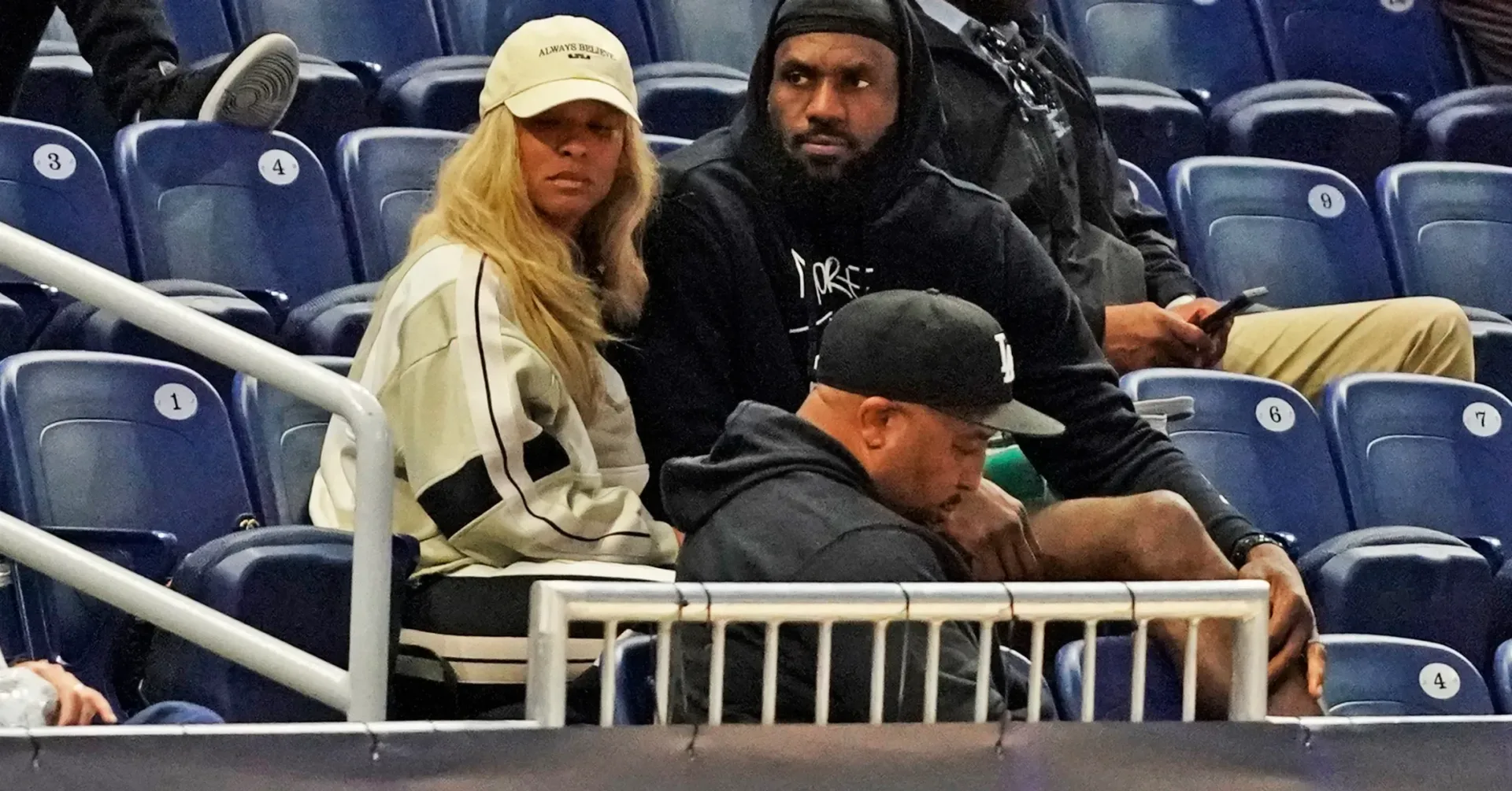
A man was reportedly arrested following an alleged stalking incident at LeBron James’ Los Angeles home on November 6, with the limited public account describing a security response, police contact and an arrest at the property.
The report says the residence’s security team called police at approximately 9 p.m. local time after identifying a man allegedly intruding on the property through camera footage. Officers from the Los Angeles Police Department reportedly arrested the man at the scene on an allegation of stalking.
Authorities were also reportedly told that the man claimed to be James’ son. That claim has not been substantiated in the available information, and it should not be treated as fact. The reported account further says the man did not enter the residence.
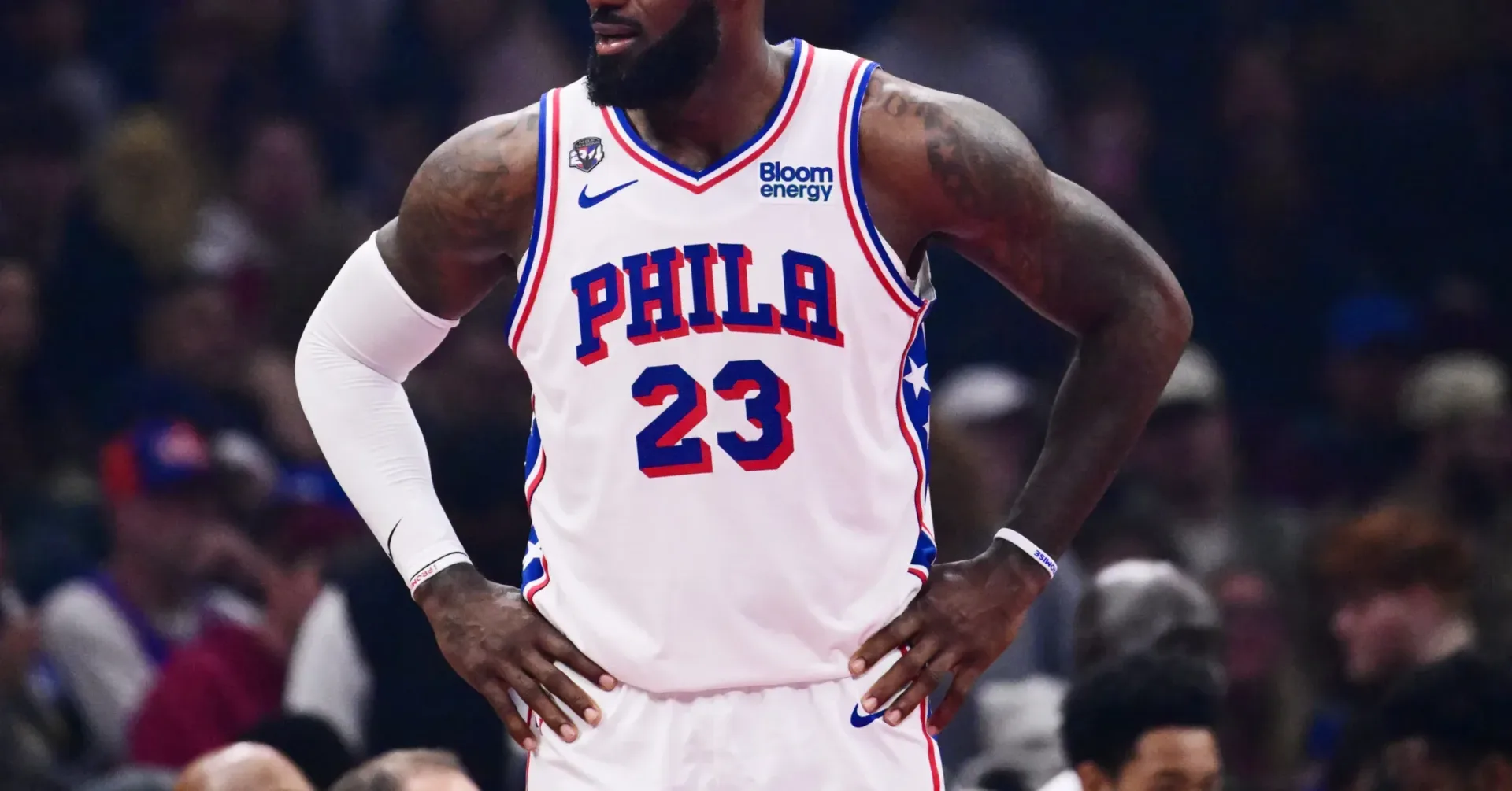
James was not at the Los Angeles home at the time. He was in Cleveland for a Philadelphia 76ers game against the Cavaliers, and the available reporting does not establish whether anyone else was at the residence when the alleged incident occurred.
For more context, explore Your Phone Is Not Gaslighting You: Why the Screen Dims With Auto-Brightness Off.
Those details matter because stories involving a celebrity home can quickly become a blur of speculation: where a player lives, who may have been home, whether a person entered a building, and what a police report means can all be flattened into a more dramatic version than the facts support. Here, the reported facts are narrower. There was an alleged intrusion onto the property, security-camera identification, a police response and an arrest. There was reportedly no entry into the home. Publicly available information does not provide an account of a court case, a charging decision, the suspect’s identity, or an explanation for the claimed family connection.
What is reported—and what remains unclear
The core allegation concerns stalking. In everyday conversation, that word is often used broadly for unwanted attention. In a law-enforcement context, however, it can refer to conduct authorities believe meets a particular legal threshold. The available account does not specify the alleged conduct that led police to use that classification, the precise statute involved, or whether prosecutors later filed any charge.
An arrest is not a finding of guilt. It means officers took a person into custody based on the circumstances and information available at that time. Any subsequent criminal case, if there is one, would depend on processes not described in the reporting: formal allegations, evidence review, defense representation, court proceedings and, potentially, a trial or other resolution.
Similarly, “intruding” is the reported description of what occurred at the property, but it does not answer every practical question. A residence is not just the structure itself; it can include gates, driveways, grounds and other controlled areas. The report specifically distinguishes the alleged property intrusion from entering the home, saying no entry into the residence occurred. That distinction does not determine legal consequences on its own, but it is a meaningful factual boundary and should not be erased in retellings.
The camera-footage detail also explains the sequence described in the report. Security monitoring can allow staff to identify activity and notify police without directly confronting someone first. It does not, by itself, reveal what the footage showed, how long the alleged intrusion lasted, or what contact—if any—occurred before officers arrived. Those are not details currently established by the supplied information.
A celebrity-security story without the usual speculation
James’ profile as one of basketball’s most recognizable figures naturally creates interest whenever a report concerns his home or family. But fame is not a license to fill gaps in a police-related account with rumor. The statement reportedly made by the arrested man—that he was James’ son—is a good example. It is part of the reported encounter, not verified biographical information, and there is no supporting detail in the available record.
It is also not possible to infer a motive from that statement. The public account does not explain why the man was allegedly on the property, whether he had any prior connection to James or his family, or whether there had been earlier incidents. A responsible account should leave those questions open rather than turn a strange alleged claim into a storyline.
The same restraint applies to the home itself. The available reporting places the incident at a Los Angeles property associated with James, while noting that he has been living in New York City during his time with the 76ers. Savannah James has remained in California with the family rather than relocating with him. None of that answers who was present at the property on the evening in question, and no such conclusion should be drawn.
Celebrity residences are often treated online as public landmarks, despite still being private homes. In practical terms, that can create a risky feedback loop: heightened attention makes small fragments of information travel faster, while uncertainty encourages viewers to treat guesses as confirmation. The most useful response to an early report is the least flashy one—separate the reported sequence from the unanswered questions, avoid circulating unverified personal claims, and wait for records or official updates before asserting more.
Why the timing is relevant, but not the whole story
The reported incident took place while James was away for an NBA game in Cleveland, his home city. The 76ers’ game against the Cavaliers ended the team’s previously successful start to the season, but the on-court result is separate from the reported events in Los Angeles.
That separation is important. A player’s travel schedule can establish why he was not at home, but it cannot establish what occurred at the home beyond the details actually reported. Nor does an absence imply that a residence was empty. The account only confirms James’ absence due to the game and does not clarify whether other people were present.
James’ living situation has recently been a subject of fan discussion because of his move to New York while playing with Philadelphia and Savannah James’ decision to remain in California. That is personal context, not evidence about the alleged stalking incident. It should not be used to make assumptions about security arrangements, family routines or the identity of anyone at the residence.
For readers interested in the initial report, a separate account of the incident is available here. As with any developing police matter, the details may change if authorities release further information or if court records become available.
How to read an early police report responsibly
Early accounts involving alleged crimes often combine confirmed procedural facts with incomplete narrative details. In this case, the reported procedural facts are relatively clear: security personnel contacted police, camera footage was involved, officers responded, and a man was arrested. The narrative surrounding the encounter remains limited.
A few distinctions help keep that clear:
- Reported allegation: A claim attributed to police information or witnesses, not an established fact.
- Arrest: Police custody; it is not a conviction or proof of guilt.
- Police report: A record of an incident or allegation. It is not automatically a criminal charge.
- Charges: Formal accusations brought through the legal process. The available report does not state whether charges were filed.
- Entry versus property access: The account says the man allegedly intruded on the property but did not enter the home. Those descriptions should not be merged.
These distinctions can sound technical, but they protect everyone involved from a familiar pattern: an arrest report becomes a viral headline, then the headline becomes an assumed conviction, and finally the uncertain parts become “facts” repeated without support. In a case involving a major sports figure, the pressure to accelerate that process is even greater because every personal detail can become content.
For now, the verified takeaway should remain proportionate. A man was reportedly arrested at LeBron James’ Los Angeles residence after security allegedly identified an intrusion through cameras. The report says he did not enter the home and that James was away at a game. The alleged claim of being James’ son has not been verified, and the available information does not establish motive, identity, charges, prior contact or who else may have been at the property.