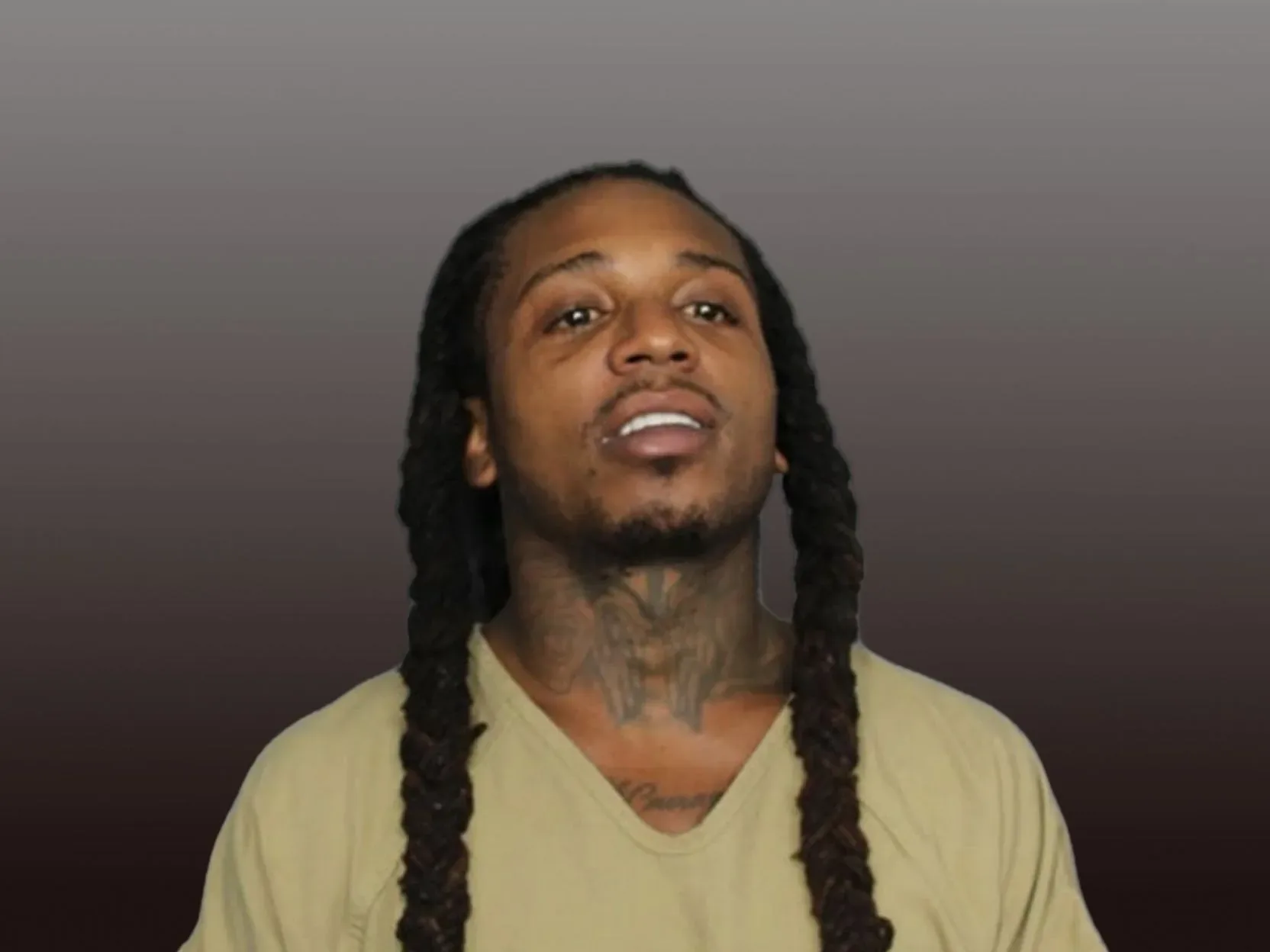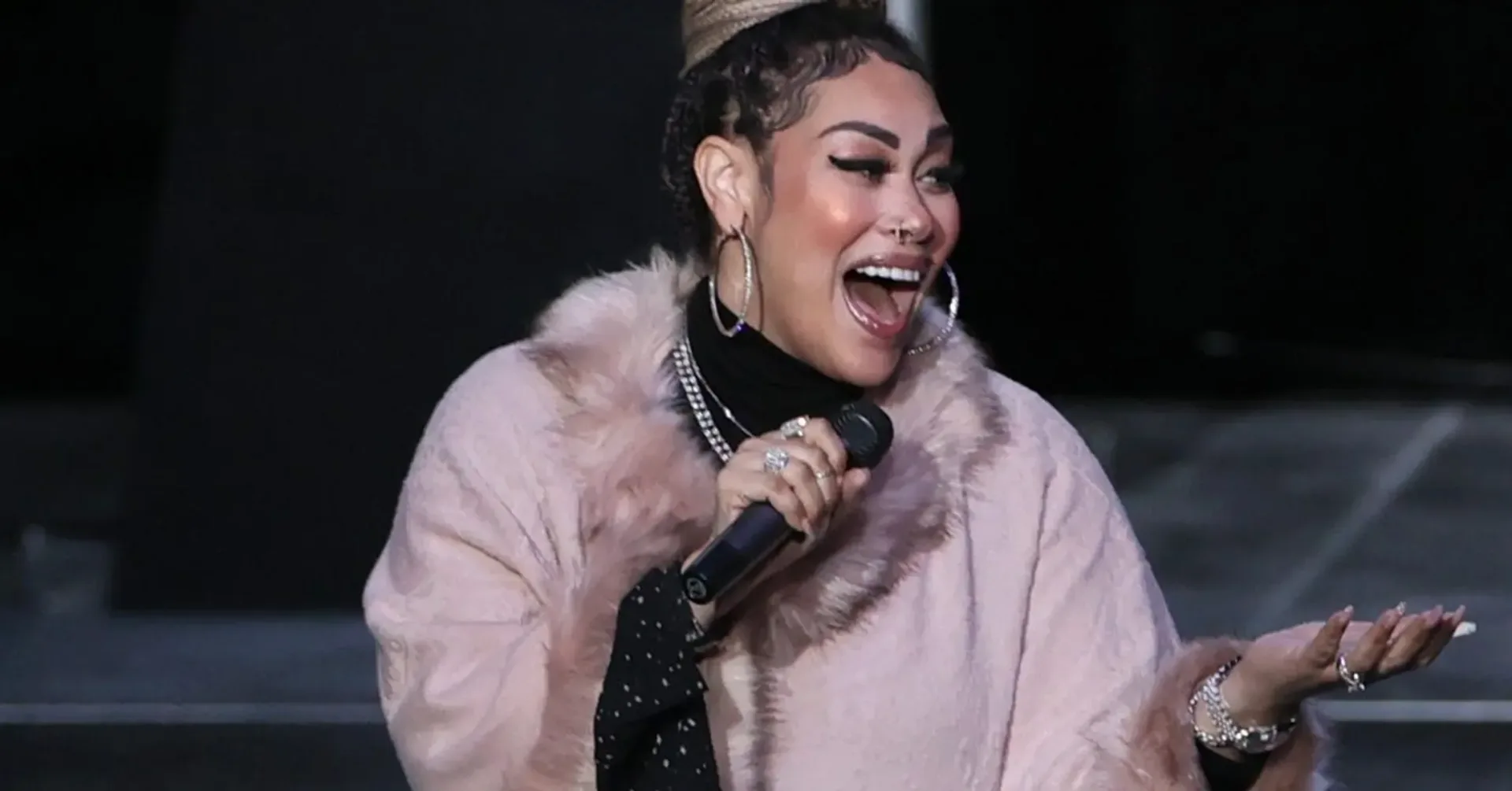
R&B singer and reality-TV figure Keke Wyatt is facing criminal charges following an alleged incident during a custody exchange in Henry County, Georgia. The reported encounter occurred on September 20, 2026, and the allegations remain unproven. Wyatt has not publicly detailed a defense strategy, and her legal team had not issued a statement in the information available.
The reported charges are terroristic threats, simple assault, and third-degree cruelty to children. The account of the incident alleges that a loaded 9mm Beretta was displayed from a vehicle window and that a threat of deadly violence was made toward another woman while three children were present. Those claims are allegations, not findings of fact or guilt.
Wyatt was released on a $1,050 bond after two days in custody. Bond is a mechanism allowing a defendant to leave jail while a case proceeds; it is not an acquittal, a conviction, or a resolution of the underlying accusations.
What the reported charges mean
The most serious reported count is terroristic threats. In the supplied case information, a threat involving death is described as a felony under Georgia law, with a stated potential sentence of one to five years in prison and a fine of up to $1,000 if a conviction results. Sentencing exposure is not a prediction of the outcome: prosecutors must pursue the allegation, and a criminal defendant can challenge both the facts and the legal theory of a case.
Simple assault, as described in the available information, is a misdemeanor. In broad terms, assault allegations often concern an alleged threat or act that places someone in reasonable fear of immediate violent injury; the exact elements, evidence, and defenses are matters for the legal process rather than public assumption.
The reported third-degree cruelty-to-children count is also described as a misdemeanor violent offense. Its presence makes the allegation involving children especially consequential, but it should not be read as a conclusion that the charge has been proven. The reported facts place three children at the exchange; court proceedings would determine what occurred and whether the law applies as charged.
A custody exchange can make an already volatile dispute more serious
A custody exchange is the point at which parents or other caregivers transfer responsibility for children. Even without a public figure involved, these exchanges can be high-stress moments because they combine family conflict, personal safety concerns, and the children’s direct presence. The reported allegations here concern an exchange rather than a performance, production, or professional engagement, which puts the focus squarely on a private family matter now moving through the criminal-justice system.
That distinction matters in coverage of celebrity legal cases. Public familiarity with an artist’s work can make the story travel quickly, but professional reputation does not establish what happened in a particular confrontation. Nor does an accusation erase the normal presumption that a defendant is not guilty unless the charge is established in court.
Related coverage includes Keke Wyatt Faces Charges After Alleged Georgia Custody-Exchange Incident.
The available account does not include a statement from Wyatt’s attorneys, any plea information, a description of physical injuries, or details of evidentiary material that may be considered later. It also does not establish a motive. Claims that ongoing family difficulties “triggered” the alleged confrontation would be speculation beyond the reported custody-exchange context.
Why the firearm allegation changes the stakes
The allegation involving a loaded firearm is central to why this case has drawn attention. In a criminal matter, claims about a weapon can affect how authorities characterize an alleged threat and can become important in evaluating witness testimony and physical evidence. Still, the description in the available account is an accusation. Whether a gun was present, loaded, displayed in the alleged manner, or used to communicate a threat are factual questions that have not been resolved here.
It is also important not to collapse the seriousness of an allegation into certainty about the eventual result. A defendant may contest identification, intent, witness accounts, context, search or seizure issues, and other parts of a prosecution. Conversely, a charge may be amended or proceed in ways not apparent from an initial report. The current public information supports reporting the filed allegations and their reported classifications, not declaring an outcome.
Earlier case is separate from the current allegations
The arrest has renewed attention on a separate 2001 case involving Wyatt and her then-husband, Rahmat Morton, who managed her career at the time. Wyatt was indicted on a second-degree assault allegation connected to a stabbing. She said she had acted in self-defense after being trapped in an abusive relationship and fearing for her safety.
That earlier case was dismissed. Its dismissal is a meaningful legal fact, and it should not be treated as a conviction or used as proof of the claims now facing Wyatt. The two matters are separated by roughly 25 years, involve different alleged circumstances, and must be evaluated independently.
Wyatt later addressed the earlier incident by saying she believed her life had been in danger, expressed remorse for what happened, and said faith and family helped her move forward. That account concerns the 2001 matter and does not provide a public explanation for the current charges.
Wyatt’s public career remains distinct from the pending case
Wyatt is known as an R&B vocalist whose collaborations include work with Avant. Her public profile also includes Keke Wyatt’s World, the 2023 reality series centered on the demands of motherhood and entertainment. The supplied information describes her as a mother of 11 children from three marriages.
Her work and family life explain the broad interest in the case, yet neither is evidence in it. Coverage of allegations involving artists can easily slide into a biography that obscures the essential point: this is a pending legal matter with serious reported claims, not a referendum on a catalog, a television appearance, or someone’s public persona.
For readers following entertainment legal news, the most responsible posture is a narrow one. Keep the timeline straight, distinguish charges from convictions, avoid inventing a motive from incomplete public detail, and recognize that a bond release does not settle the case. More substantive clarity would require further official proceedings or a statement from Wyatt’s representatives.
For more entertainment coverage involving music and legal proceedings, see this report on the Drakeo the Ruler estate’s Live Nation records dispute.