Hip Hop Beauty Circa 1973 is bringing a student-business component to Texas Southern University as its traveling exhibition arrives in Houston for Entrepreneurship Week. The exhibition is scheduled for November 12 through November 20, while the Hip Hop Beauty Market is set for November 20, running from 10 a.m. to 4 p.m. in the university’s C.S. Lane Building.
The market gives student-run businesses a defined place within an event built around photography, beauty and conversations about the people represented in the work. That combination is the key detail here: this is not presented solely as an art display, nor solely as a beauty-focused event. It creates a shared setting for creative work, entrepreneurial activity and campus participation.
What Hip Hop Beauty Circa 1973 brings to TSU
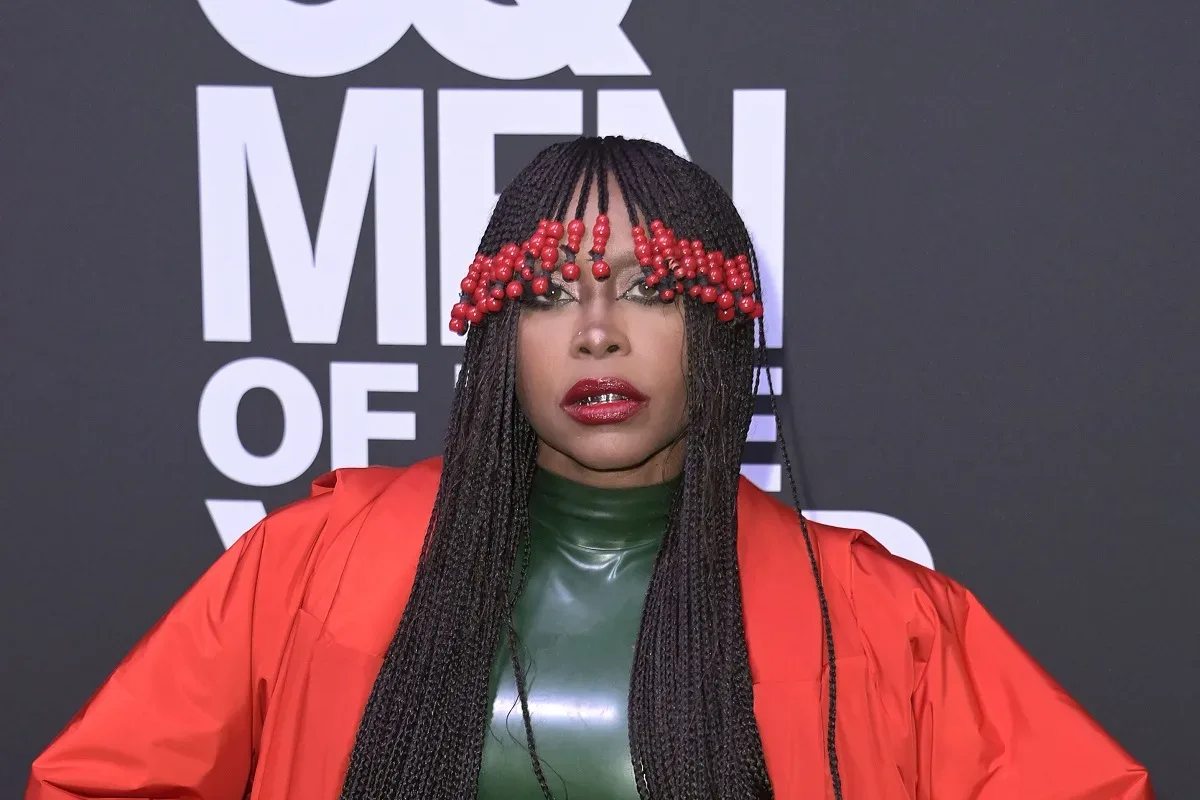
The project was created by makeup artist Ashunta Sheriff-Kendricks and author Thembisa S. Mshaka. Its collection includes photography from Keith Major, Stacy Gray and Mazi Smazi. One of Major’s images in the project features Erykah Badu.
Photography is made available to collectors through the wider Hip Hop Beauty venture, which also pairs the images with beauty services and programming that focuses on the people behind them. In plain terms, the project treats photography as something that can be appreciated as artwork and collected, while keeping beauty artistry and personal stories in the same frame.
That framing matters because the event does not reduce beauty to a background detail or photography to a decorative accompaniment. The available information describes both as central parts of the project’s identity. Adding a student marketplace expands that approach again, inviting student entrepreneurs into an environment connected to cultural presentation and professional exchange.
The November 20 marketplace details
- Event: Hip Hop Beauty Market
- Date: November 20
- Hours: 10 a.m. to 4 p.m.
- Location: C.S. Lane Building, Texas Southern University
- Related exhibition dates: November 12-20
The announcement identifies the marketplace as a space for student-run businesses. It does not specify a vendor roster, product categories, admission arrangements or other market logistics, so visitors should avoid assuming those details before they are confirmed by the organizers or the university.
Why the Entrepreneurship Week connection is significant
Texas Southern’s Jesse H. Jones School of Business and College of Liberal Arts and Behavioral Sciences are among the partners involved in the presentation. Dr. Michon Benson, an associate dean, described the partnership as part of Entrepreneurship Week at TSU and pointed to Sheriff-Kendricks and Mshaka as real-world experts positioned to encourage students.
“The Jesse H. Jones School of Business, the College of Liberal Arts and Behavioral Sciences, and all of our partners are beyond excited to partner with Hip Hop Beauty Circa 1973 during Entrepreneurship Week at TSU,” Benson said. “Thembisa S. Mshaka and Ashunta Sheriff-Kendricks are the kinds of real-world experts who will encourage and inspire our students.”
Related coverage includes Hip Hop Beauty Brings Student Marketplace to Texas Southern During Entrepreneurship Week.
Entrepreneurship Week is the practical context for the market. A student marketplace is not merely an extra attraction attached to the exhibition; it is the portion of the program that gives student businesses a public platform within the event. The art and beauty sides of Hip Hop Beauty provide the setting, while the market centers the work students are building themselves.
Analysis: The collaboration brings together disciplines that are often discussed separately. Business programming can focus on enterprise, while arts programming can focus on exhibition and cultural appreciation. Here, the stated structure puts those activities next to one another. For a student vendor, the relevant opportunity is visibility in a campus event that has a defined creative identity. For attendees, the market adds a direct encounter with student enterprises to an exhibition otherwise centered on imagery, beauty and dialogue.
Photography, beauty and collecting in the same project
The term collectible photography can sound broad, but its basic meaning is straightforward in this context: the project makes photographic work available to people who want to acquire it. The supplied details do not identify print editions, formats, prices, signing information or purchasing procedures. What is established is that collecting is one part of Hip Hop Beauty’s broader model.
That model also foregrounds the creators and subjects connected to the imagery. Major’s work featuring Badu provides a concrete example of the project’s intersection of visual art and music culture. However, the exhibition should not be characterized as an Erykah Badu show based on that one noted inclusion. The project is credited to Sheriff-Kendricks and Mshaka and features work from Major, Gray and Smazi.
The beauty component is equally material to the project. Sheriff-Kendricks’ makeup-artistry background informs the venture’s connection to beauty services, while Mshaka’s authorship is part of the collaboration’s stated foundation. The event’s premise therefore rests on multiple forms of creative expertise rather than a single medium.
For readers following music-adjacent cultural programming, this is also a reminder that hip-hop’s presence in an event can extend beyond a performance bill or a recording release. It can appear through portraiture, personal style, beauty work, authorship, business creation and the stories attached to all of them. That wider cultural lens has also surfaced in discussions around contemporary rap, including a recent look at the conversation around Atlanta trap.
From New York Fashion Week to Houston
Before the Texas Southern engagement, Hip Hop Beauty had a New York Fashion Week presentation that opened at Studio6 Gallery in February. The earlier stop included photography by Major, Gray and Smazi, along with a panel moderated by Jamila Mustafa.
The New York program helps clarify that the Texas Southern visit is part of a traveling exhibition rather than a one-off campus creation. At the same time, TSU’s version has a distinct student-facing element through the November 20 marketplace and its placement during Entrepreneurship Week.
Explanation: A traveling exhibition is a presentation that appears in more than one location over time. That does not mean every stop must have identical programming. In this case, the documented New York presentation included a panel, while the Houston stop includes a student marketplace. Both fit the project’s stated interest in connecting visual work, beauty and conversation, but the TSU event specifically adds a campus entrepreneurship function.
TSU’s music-industry connection provides additional context
Texas Southern previously participated in a 2024 Interscope initiative intended to connect HBCU students with the music business. That program featured campus pop-ups, institution-specific art and merchandise, and a contribution to the university for each related item sold. Howard University and Tennessee State University were also in the initial group.
That earlier initiative is separate from Hip Hop Beauty Circa 1973, and the available information does not suggest that the programs are formally linked. Still, it provides useful context for understanding why a music- and culture-connected project has a natural fit on the TSU campus. The university has already been included in programming designed to place students in closer proximity to music-business activity.
The difference is important. The Interscope initiative involved music-business engagement and school-specific merchandise. Hip Hop Beauty is centered on an exhibition, beauty services, artist and subject conversations, collectible photography and a marketplace for student-run businesses. They overlap at the broad level of student opportunity and music culture, but they are not interchangeable projects.
What attendees and student businesses can take from the event
For students involved in the market, the concrete opportunity is participation in a marketplace specifically described as supporting student-run businesses. For visitors, the confirmed attraction is a program that connects the exhibition’s photography and beauty focus with campus entrepreneurship.
For collectors, the most relevant point is that Hip Hop Beauty makes photography available to collect. Anyone interested in acquiring work should look for direct, event-specific information on what will be offered and under what terms rather than presuming that every image in the exhibition is available in the same way.
For the broader TSU community, the November 20 schedule creates a clear focal point at the close of the exhibition’s November 12-20 run. The market is the event’s most explicitly participatory business component, while the exhibition offers the cultural framework around it. Together, they make the campus stop less about passive viewing and more about connecting creative practice with student enterprise.