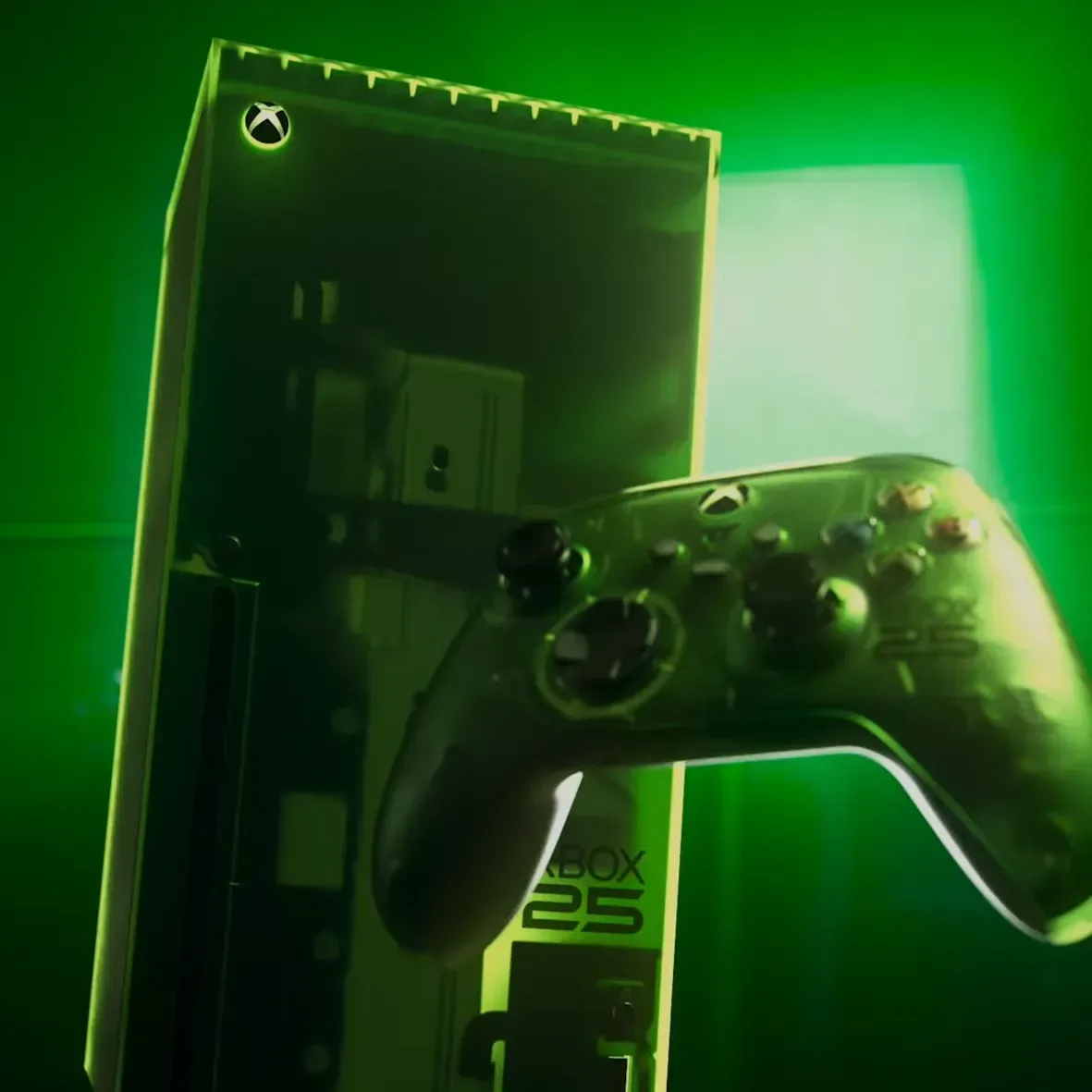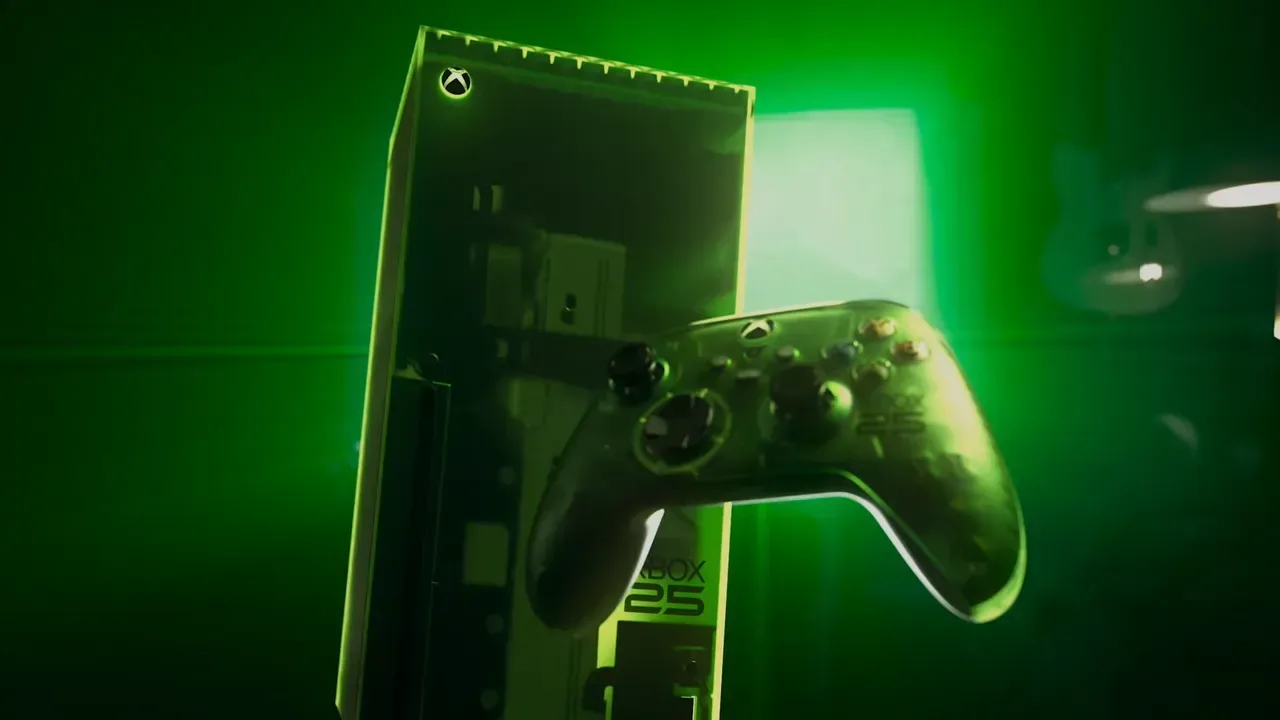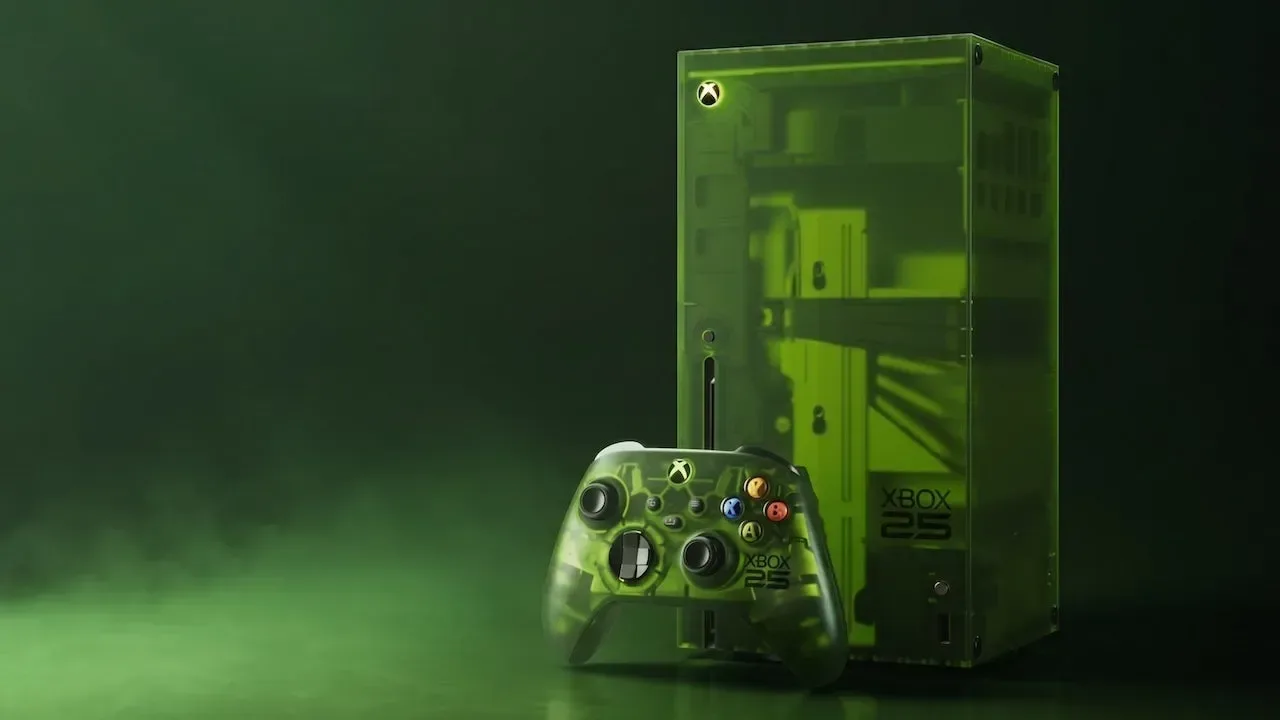
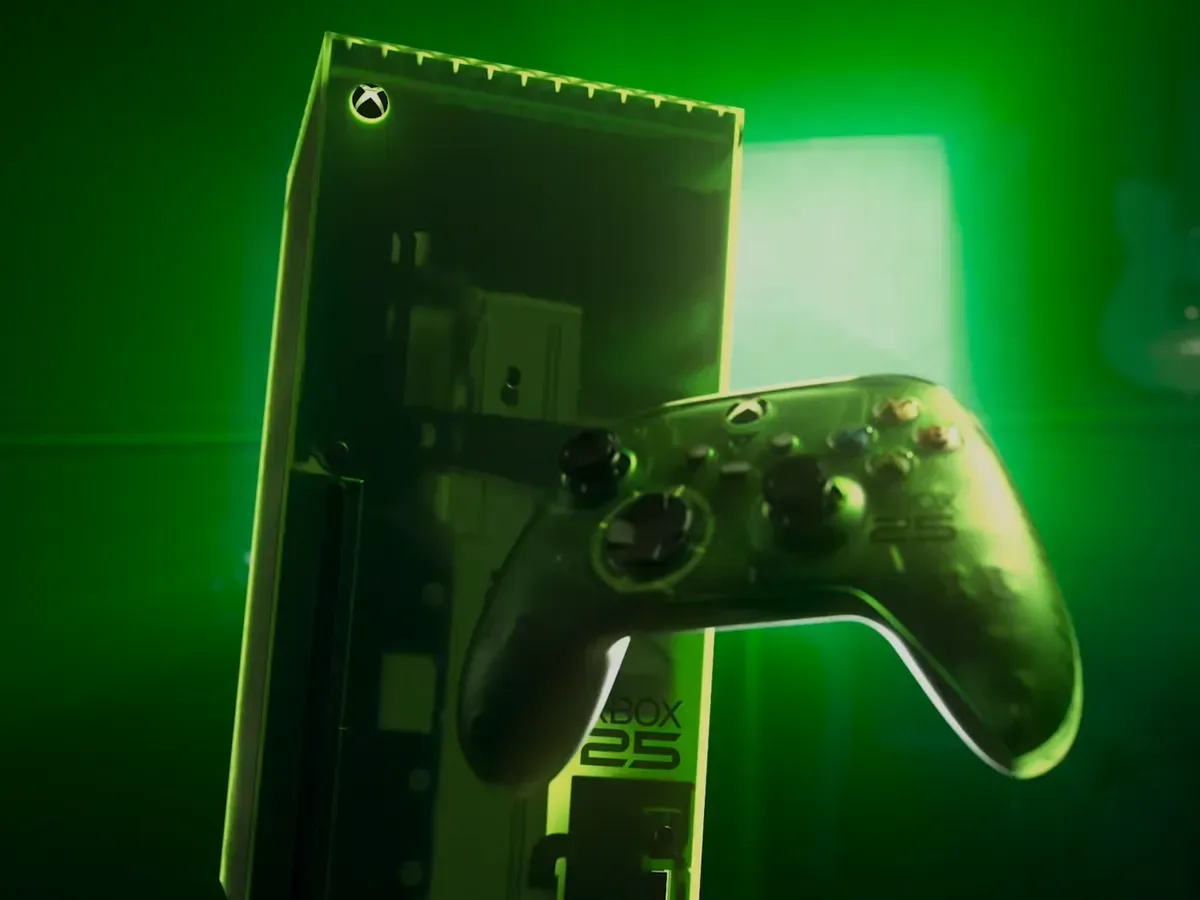
The Xbox 25th Anniversary Series X launch has turned a celebratory limited edition into a familiar fight over checkout screens, limited allocation and the resale market. Microsoft’s translucent green anniversary console reportedly sold through online stock within seconds, with many prospective buyers saying they could not complete an order before inventory disappeared.
Microsoft had already described launch supply as limited and said availability would vary by market and retailer. That warning set expectations for a difficult purchase, but it did not lessen the disappointment for fans who were online at the stated midnight Eastern launch time and still came away empty-handed. The gap between knowing an item is scarce and watching it vanish before checkout is enormous—particularly for a product aimed at a community marking a 25-year milestone.
The standard sale price cited for the console was $999. Frustration rose further when retailer GameStop was reported to have listed its allocation at $4,950 for a time; that listing also appeared to sell out. Meanwhile, completed eBay sales were visible in a range from roughly $1,500 to $2,500. Those figures do not establish a permanent market value, but they show that some buyers were willing to pay substantially more than the original listed price immediately after the sale.
A limited console, an unlimitedly bad checkout experience
At the center of the reaction is not simply that the 25th Anniversary Series X was hard to find. Limited-run hardware is, by definition, not intended for every interested customer. Instead, the loudest criticism is aimed at the way the small supply was distributed: a conventional first-come, first-served online sale with no apparent waiting room, account-based eligibility gate or other visible protection against rapid bulk purchasing.
A first-come, first-served launch means orders are fulfilled in the sequence they are accepted until the allocation runs out. It is simple to administer, but it can be especially punishing when demand dramatically exceeds supply. Shoppers may encounter a product page that seems available, add the item to a cart, and then lose it during payment or final order processing. A cart is not always a reservation; it can be merely one step before an order is actually secured.
That distinction is crucial to the complaints around this launch. Several fans described getting as far as placing the console in their cart, only to see a page continue loading or the item disappear. From the buyer’s side, that feels less like missing a sale and more like having a purchase pulled away at the finish line. Whether the problem was pure inventory exhaustion, heavy traffic or a combination of both is not established here, but the practical outcome for shoppers was the same: no console and little clarity in the moment.
A fan who said they had tried on several occasions summed up the fatigue in a social-media post: “I love Xbox, but what a mess.” Another long-time Xbox customer wrote that, after years of loyalty, they were unable to obtain the anniversary system despite staying up and trying repeatedly. The anger in these messages is as much about recognition as ownership. Anniversary editions are symbolic objects; fans often view them as rewards for years spent with a platform, rather than simply another premium consumer-electronics purchase.
Why the resale numbers sting
Reselling is not automatically proof that every unit was purchased by automated software or by a professional reseller. However, a quick appearance of consoles at large markups is exactly what buyers fear when a high-demand product has very limited supply. In this case, listings and reported completed sales arrived fast enough to reinforce the perception that genuine customers had little chance against speed, scale and luck.
Scalping is the term commonly used when buyers obtain scarce, popular goods primarily to resell them at higher prices. It is distinct from a collector later deciding to sell an item, because the complaint concerns acquiring stock with resale profit as the immediate objective. Fans also raised concerns about bots—automated tools capable of moving through online ordering steps more quickly or repeatedly than an individual customer can. The available reporting does not verify who bought individual consoles or how they did so, so those claims should be treated as customer concerns rather than confirmed explanations for every sold-out unit.
The $1,500-to-$2,500 completed-sale range seen on eBay is revealing for another reason. A listed price can be aspirational; a completed sale indicates that a transaction was recorded at that level. Even so, early secondary-market sales are a snapshot of urgency, not a guarantee that demand will remain at the same level. A buyer considering an aftermarket purchase should distinguish between an asking price, a sold price and the product’s original price—three numbers that can be radically different during a launch rush.
GameStop’s reported $4,950 listing intensified the response because it was far beyond both the $999 original price and the already elevated marketplace transactions cited elsewhere. For fans, that kind of markup does more than put an item out of reach. It can make the official retail channel look like another participant in the scarcity economy instead of a route around it.
The anti-scalping ideas fans are proposing
The most common demand is for a better queue. An online queueing system places customers in a managed line before access to checkout, generally giving each person a window to complete a purchase once their turn arrives. A queue cannot create more hardware, and it does not ensure that every participant gets one. Its value is procedural: it can make demand easier to manage, reduce chaotic page refreshes and give shoppers a more intelligible process than a sudden inventory collapse.
Fans have also suggested limiting the anniversary console to customers with Xbox accounts. Account verification could make bulk purchases more difficult by requiring a buyer to sign in and possibly imposing a one-per-account limit. It is not a cure-all: accounts can be created or controlled by different people, and any eligibility rule needs a way to handle errors, privacy concerns and legitimate households with more than one interested buyer. Still, it would make a limited edition feel less like an open race to click fastest.
Some proposals go further, suggesting priority for older accounts or customers with high Gamerscore. Gamerscore is Xbox’s cumulative achievement score, built by unlocking achievements across games. Using it as a purchasing criterion would be a deliberate attempt to favor established players. It has a strong emotional logic in an anniversary sale: people who have invested years in the ecosystem could receive a meaningful chance to buy a commemorative console.
But that approach also raises real design questions. A customer can be deeply committed to Xbox without maintaining one long-running account or accumulating a large Gamerscore. Newer players, families sharing systems and people who play games without chasing achievements could be excluded from a product that is still a retail console. Account age and Gamerscore could work as one signal among several, but neither perfectly measures fandom nor necessarily produces a distribution everyone would regard as fair.
A more practical principle is transparency. If stock is exceptionally small, customers benefit from clear details about when sales open, whether carts reserve inventory, whether restocks are planned, what regions are included and how retailer allocations will operate. Microsoft did flag limited quantities and variable availability, which is useful context. Yet the reaction indicates that the actual sale experience did not persuade many would-be buyers that the process gave them a realistic chance.
Scarcity is now part of the story around Xbox hardware
The launch lands shortly after Xbox boss Asha Sharma said falling Xbox console sales had been affected by supply constraints, describing demand as greater than the number of available consoles. The anniversary sellout does not by itself explain broader console-sales trends, nor does it prove the exact scale of overall supply limitations. It does, however, put a public and emotionally charged example in front of the same audience: a premium Xbox system that many eager buyers could not obtain directly.
For Microsoft, the reputational risk is that the anniversary edition becomes remembered less for its translucent green design and more for who failed to buy it. Limited editions are meant to create excitement, but scarcity has two possible outcomes. It can make an object feel special, or it can make customers feel that the event was not really intended for them. The rapid resale activity has pushed this launch toward the latter interpretation among many fans.
For anyone still looking for the console, the evidence so far argues for caution rather than panic. Resale listings may ask far more than the official price, and early completed sales reflect a narrow, heated market immediately after a sellout. Buyers should also remember that no additional supply or official restock plan is established in the available information. Paying a premium may secure a unit, but it is a separate decision from buying the console at its original retail price.
For the wider games business, this is another reminder that the mechanics of a limited release can matter as much as its aesthetics. A commemorative machine is sold as a physical symbol of community history. If the buying process appears to reward speed, resale budgets or automated purchasing over the people that history is meant to celebrate, the celebration can quickly turn into a grievance. Readers following the wider flow of game announcements can also keep up with the latest Warhammer Survivors roadmap details.