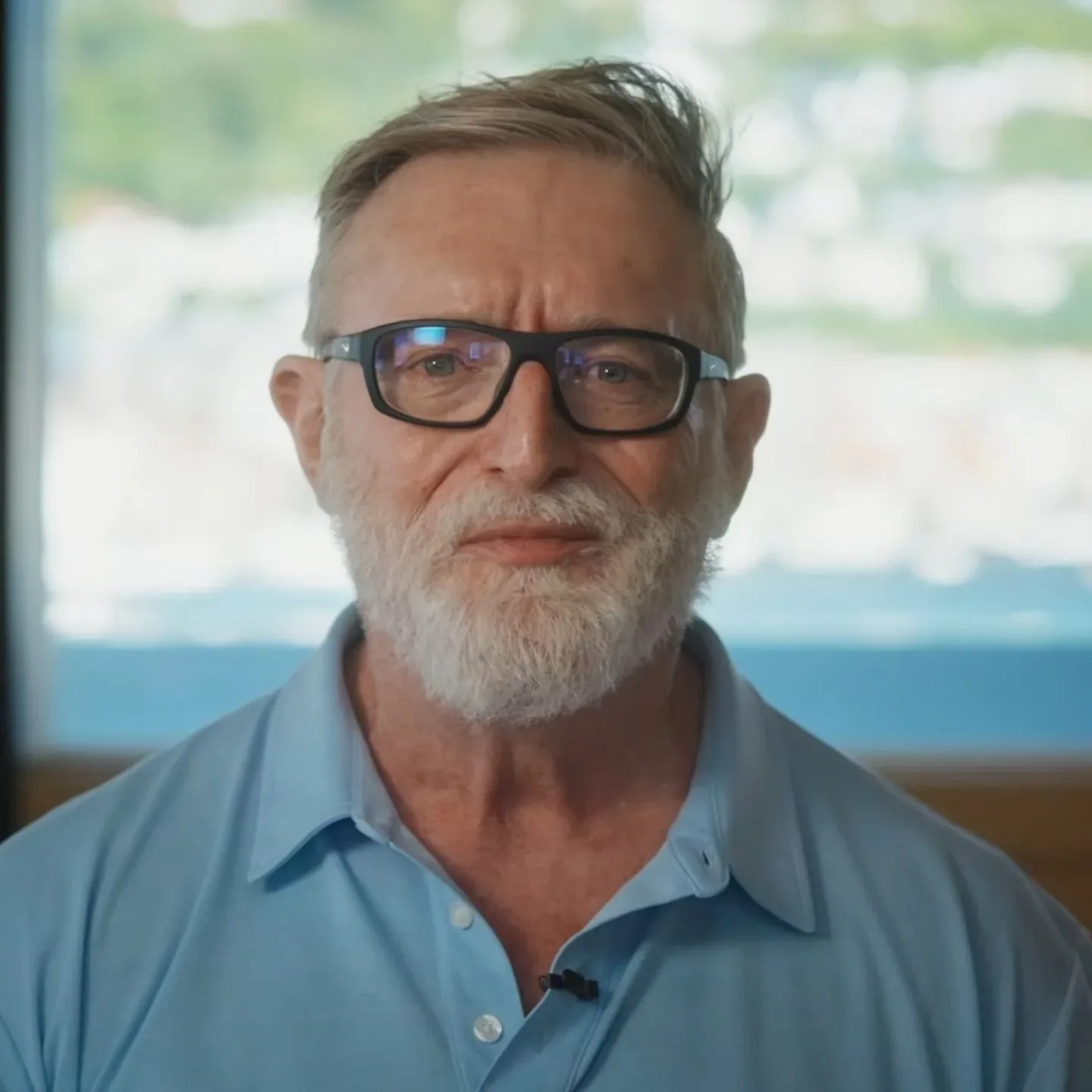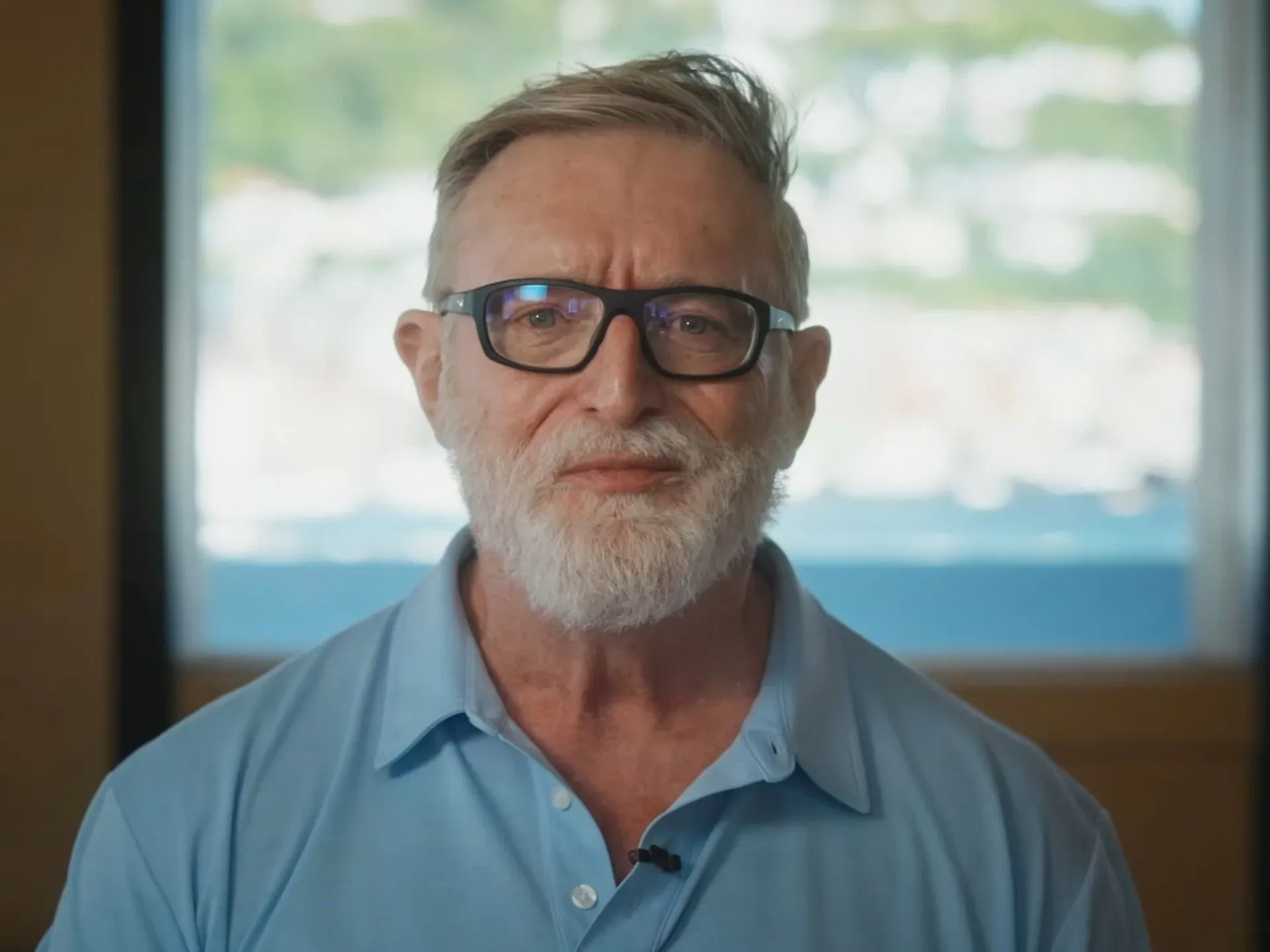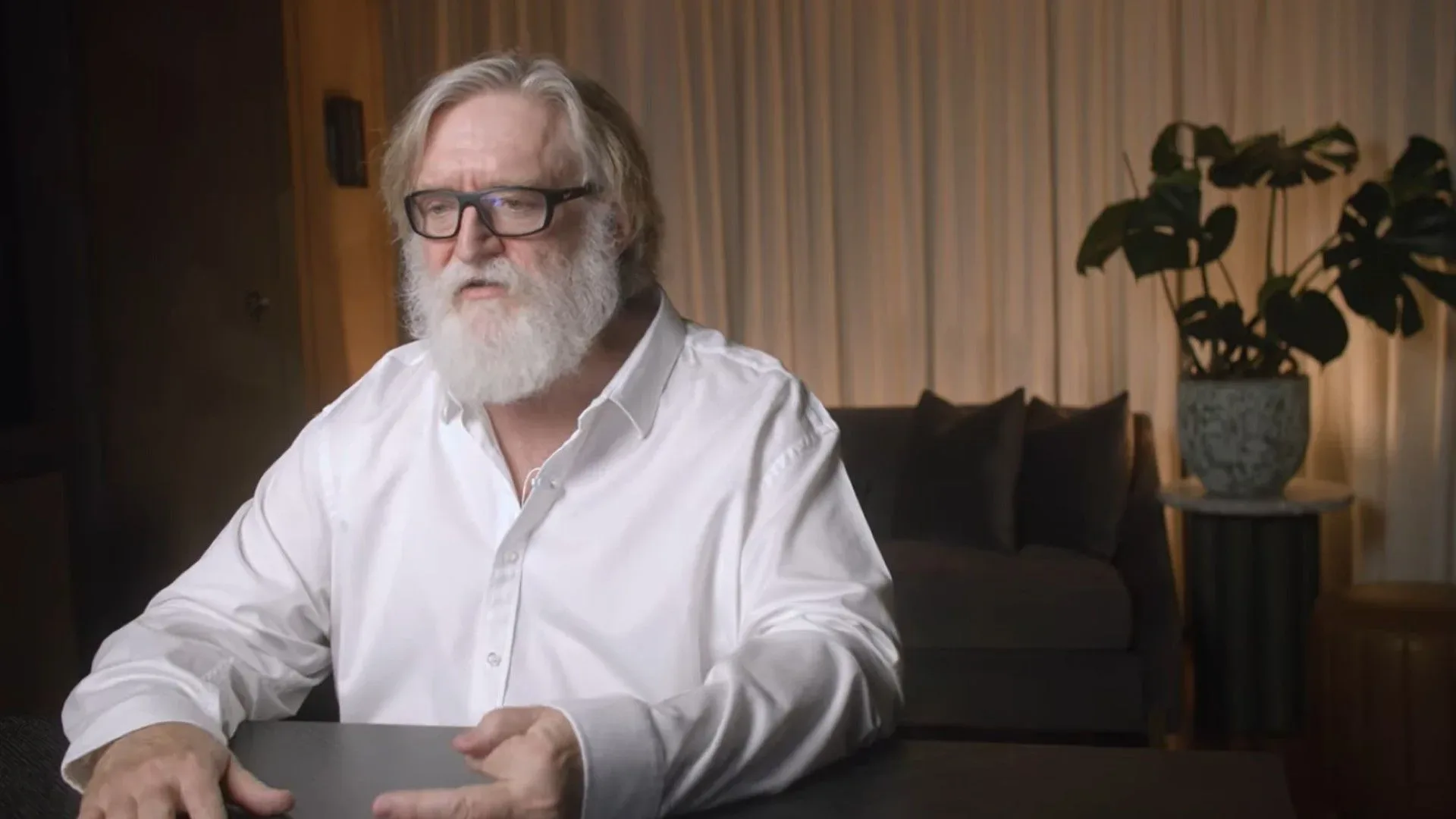
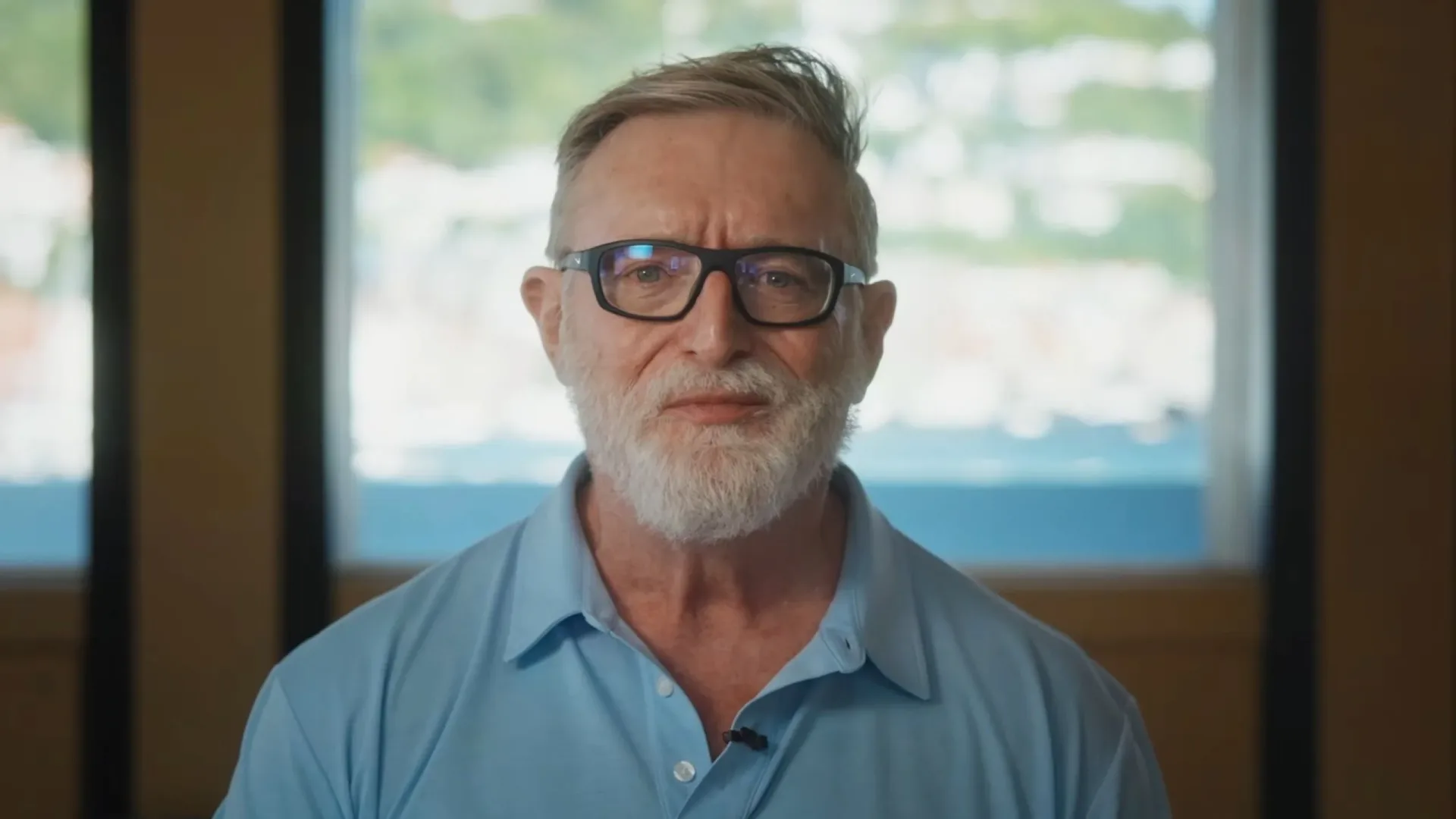
Gabe Newell’s Leviathan is the sort of vessel that makes it difficult to know where the headline should begin. It is described as a $500 million superyacht. It has an elaborate interior, professional-grade diving facilities, and the kind of scale that turns ordinary rooms into design statements. It also has 15 PC gaming stations.
Yet the point repeatedly emphasized in a recent video tour is not simply that the Valve co-founder owns a gigantic boat with a place to play PC games. It is that prominent space and amenities on the Leviathan are allocated to the people who run it. The vessel’s crew mess occupies a luxurious lounge that might more conventionally have been a guest-facing saloon, Newell reportedly eats meals with the crew daily, and a VIP-standard cabin is also used by staff.
Those details are drawing attention precisely because they are presented as unusual within this particular slice of luxury yachting. That says as much about expectations in an extremely expensive industry as it does about one owner’s preferences.
The rooms tell the story
A superyacht tour naturally has plenty of spectacle to work with, but Leviathan’s crew-first decisions are more revealing than another expensive finish or secluded guest space. The most striking example is the lounge repurposed as the crew mess.
A crew mess is, in practical terms, the shared area where crew members eat and spend time between duties. On Leviathan, the tour frames it as a space ordinarily expected to welcome guests near the entrance to the interior. Instead, it is set aside for the people who work on board.
That change matters because space on a yacht is not neutral. Every large, comfortable common area represents a decision about who gets the best access to light, room, privacy, and social life. Making a high-profile lounge part of the staff’s day-to-day environment is a tangible choice, not a vague claim about workplace culture.
The other reported design choice is similarly direct: a cabin described as VIP-grade is used by the crew. The tour treats that as an exceptional arrangement. It does not mean the basic realities of a yacht disappear—there is still an owner, guests and a working staff—but it does mean crew accommodation was given a noticeably higher priority than is apparently typical in the comparison being made.
Newell’s practice of eating with the crew each day is the social counterpart to those physical choices. It is an uncomplicated idea, and that is exactly why the reaction is revealing. Shared meals do not erase the enormous financial distance between a billionaire yacht owner and the people employed on the yacht. But they can reject the hard separation that expensive private environments are often designed to enforce.
Related coverage includes Gabe Newell's Leviathan Yacht Tour Highlights Crew-First Design and a 15-PC Gaming Room.
A retention figure that gives the claim some weight
The tour’s most useful number is the reported average tenure of Leviathan staff: 4.5 years. It contrasts that with an average of six to nine months for yachts in this class.
Staff tenure means the length of time people stay in a role or workplace. It is not a complete scorecard for whether a job is good. It cannot, by itself, tell viewers about pay, schedules, workload, contracts, advancement or any individual employee’s experience. But as a workforce signal, the gap described here is substantial. Holding on to people for years rather than months suggests that the working environment may be doing something differently enough to encourage people to remain.
It also gives the tour’s praise a stronger foundation than aesthetics alone. A lavish crew lounge could be a one-off talking point. Long-term retention, if sustained, points toward a broader pattern: accommodation, social treatment and opportunities for development may be connected to an operation that people are more willing to stay with.
That does not turn workplace respect into a miracle, nor should it. Treating staff well should be a baseline expectation, not a feat so rare it needs to be narrated like a plot twist. The striking aspect of the Leviathan discussion is that basic dignity appears extraordinary when placed against a reported norm of short tenure and stricter divisions between owner spaces and crew spaces.
Why 15 gaming PCs are more than a novelty
For a Valve co-founder, the 15-PC setup is the detail most likely to travel furthest through gaming circles. The room is intended for crew, guests and Newell himself, but it is not presented solely as a recreation space. It is also used for training and crew development.
That dual role is worth separating into its parts. A gaming PC is, of course, a machine for playing games, but it is also a flexible general-purpose computer. A shared group of PCs can support digital learning and skills development as well as social time. The video’s account does not specify what software, qualifications or training programs are involved, so it would be wrong to assume more than it shows. Still, assigning a 15-station space to both enjoyment and development makes the room feel less like a themed indulgence and more like a communal resource.
There is a practical point here too. On a vessel where people live and work together, a shared activity space can give crew and guests a place to interact outside formal service roles. Newell reportedly uses the room as well. The important distinction is that the PCs are not described as an owner-only entertainment suite with staff access somewhere else; they are shared.
It is also an unusually clean overlap between the owner’s professional legacy and the ship’s everyday culture. Valve is inseparable from PC gaming for many players, so a dedicated PC room aboard Newell’s yacht is easy to read as personal branding. But the stronger detail is who it is for. The stated audience includes crew and their development, not just visitors looking for a very expensive LAN-party backdrop.
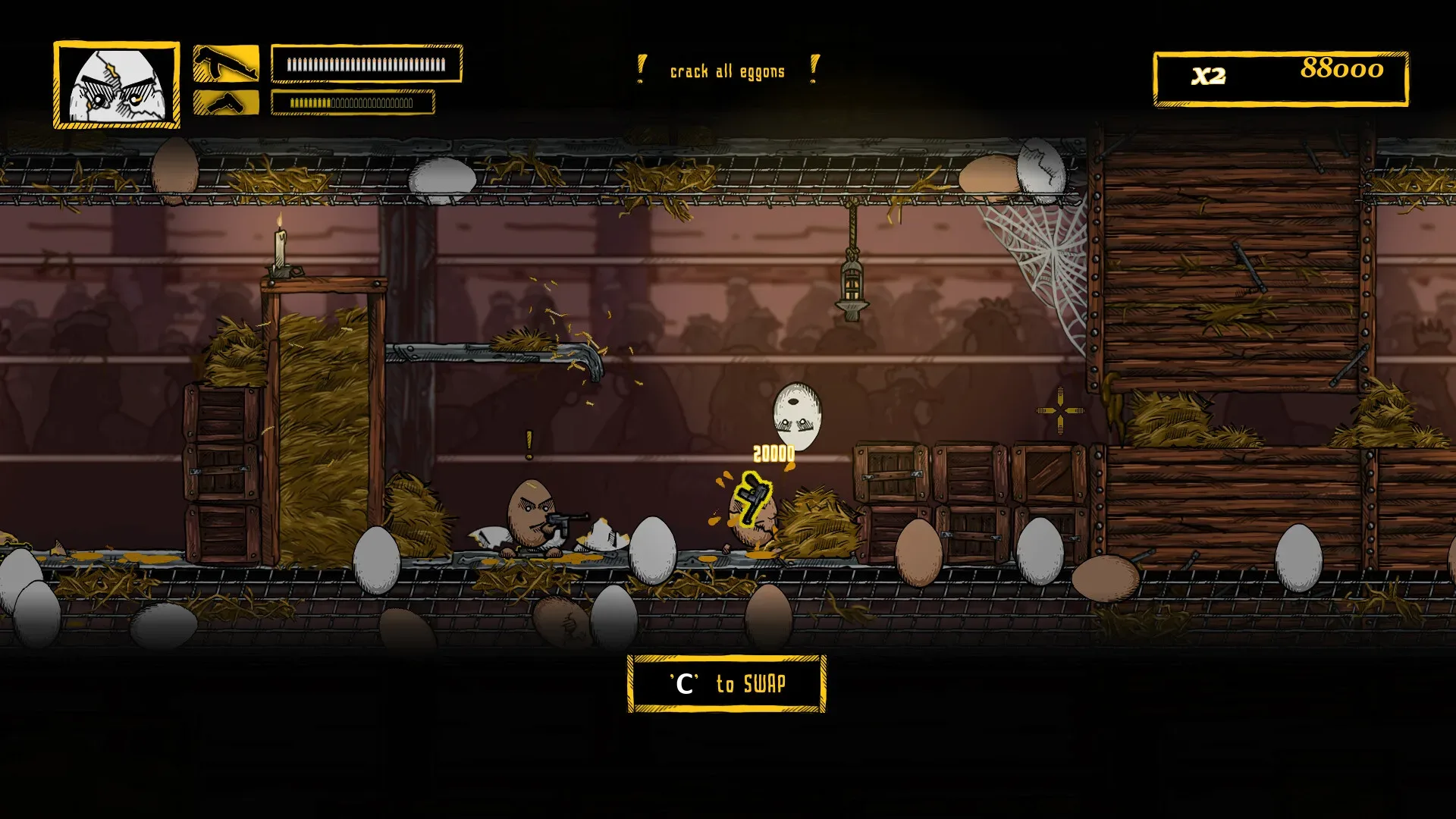
For a reminder of how broad and strange PC gaming can get far away from a yacht’s polished interior, see UNCRACKED’s public Steam demo. Leviathan’s gaming room may be rarefied, but the machines at its center belong to a medium still capable of supporting wonderfully odd ideas.
The “good billionaire” response has limits
Online enthusiasm around Newell often leans on his reputation as one of gaming’s more well-liked business figures. A tour showing high-end crew spaces, meals shared with staff and a room full of gaming PCs is perfectly calibrated to reinforce that image. It offers visible evidence of conduct people want powerful figures to display: sharing resources, declining unnecessary hierarchy and investing in workers as people rather than scenery.
There is nothing contradictory about acknowledging that those choices appear positive while also keeping the scale of the setting in view. Leviathan is described as costing $500 million. The same video that makes crew treatment a focal point is, inevitably, still a tour of extraordinary private wealth. Kindness within a workplace and criticism of the systems that make such extreme luxury possible are not mutually exclusive positions.
The most sensible reading is neither blanket hero worship nor reflexive dismissal. The reported decisions deserve credit on their own terms. A desirable shared space for crew, better accommodation, daily meals together and a room used for both play and development all appear preferable to withholding those things. At the same time, none of them should be treated as a substitute for scrutiny of a billionaire owner, Valve, or the broader economics surrounding private superyachts.
In fact, the praise becomes more meaningful when it avoids turning routine respect into sainthood. The design choices are notable because they are specific. Viewers do not need to imagine hidden virtues: the crew mess, cabin allocation, PC room and retention comparison are concrete enough to discuss.
What Leviathan’s design actually suggests
The clearest lesson from the tour is not that every workplace needs a VIP cabin or 15 gaming PCs. It is that an organization’s priorities become visible in where it places comfort, opportunity and access. On Leviathan, the reported emphasis is on shared experiences rather than a strict guest-and-service divide.
That approach has practical implications. Providing appealing communal areas recognizes that crew members do not stop being people when they are off shift. Offering a place for skills development suggests that time aboard can support more than immediate tasks. Eating together reduces one obvious marker of distance. None of these elements guarantees a healthy workplace, but each is more substantive than a slogan in a staff handbook.
It also makes for a more interesting gaming story than a simple “rich executive has a game room” headline. The unusual thing is not the hardware. It is the claim that the hardware is part of a shared environment aboard a vessel otherwise defined by status and separation.
Newell reportedly stepped back from directly making games at Valve after Portal 2 because, when he tried to join teams and offer ideas, people kept agreeing with him. Whether that anecdote is read as self-awareness, an observation about leadership, or both, the Leviathan tour offers a related image: an owner intentionally making room for other people. A yacht cannot prove a philosophy, but the vessel’s choices give that idea a physical form.