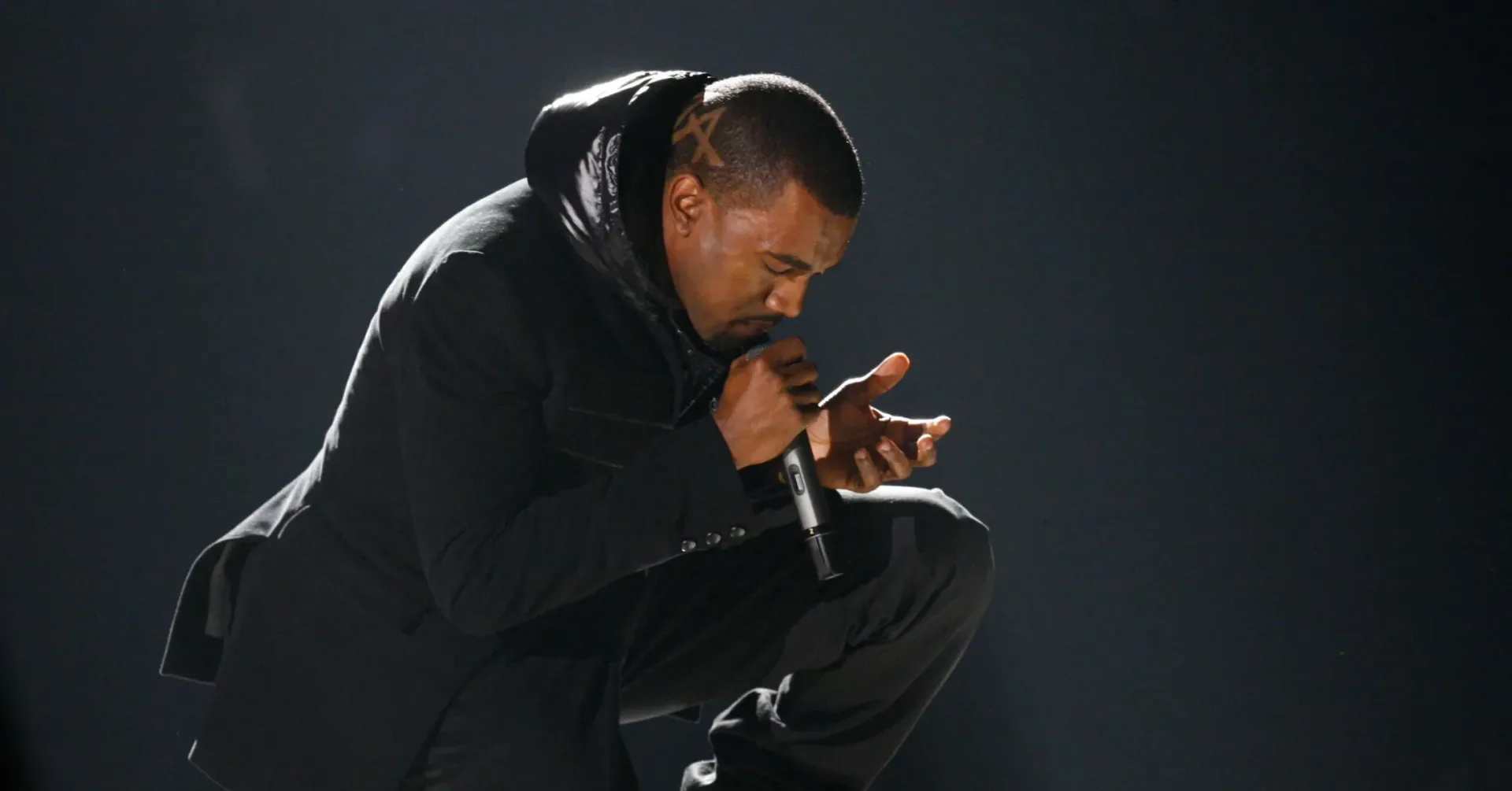

North Carolina musician Chase Taylor has filed a federal lawsuit against Ye, the artist formerly known as Kanye West, centered on allegations arising from the hurried 2019 preparation of Nebuchadnezzar. Taylor’s complaint describes a production in which music allegedly remained unfinished only days before the opera’s presentation, then raises separate disputes over promised compensation, professional credit and the later use of compositions or arrangements.
The case is at the allegation stage. Taylor is seeking damages for fraud, false imprisonment and unfair business practices, as well as copyright-related relief. No public response from Ye’s representatives had been reported as of Friday. None of Taylor’s claims has been proven in court.
What Taylor alleges happened in Wyoming
Taylor says he accepted a starring role believing that Nebuchadnezzar was a completed production. But after arriving in Cody, Wyoming, he says he learned that its music still needed to be written and prepared for performance on a four-day timeline.
According to the 45-page federal complaint, Taylor was brought to a high-school band room and ordered to continue working until the opera was complete. The lawsuit alleges that the room’s door was locked. Taylor further claims that requests to have doors unlocked and to secure food, water and sleep for a group of more than 150 performers were disregarded. The complaint says musicians slept on the floor during breaks between work sessions.
Those assertions are important because they go beyond an account of extreme deadline pressure. A rushed creative process, by itself, does not establish a legal violation. Taylor’s false-imprisonment claim instead turns on his allegation that participants were confined and unable to leave freely. The lawsuit will need to establish the relevant facts and legal standards in the federal court where it was filed.
The distinction also matters for readers encountering dramatic accounts of a late-stage production scramble. Taylor is not simply alleging that rehearsals were long or poorly organized; he alleges restrictions on movement alongside the claimed lack of basic provisions. Those are serious accusations, but they remain allegations in a civil complaint rather than judicial findings.
The compensation and credit claims
The complaint describes a second conflict over why Taylor accepted the work and what he says he was promised. Taylor alleges that he was offered substantial pay, a producer credit and future opportunities. He further contends that Nebuchadnezzar and the subsequent opera Mary were presented to him as nonprofit religious projects, despite ticket sales to audiences.
That point appears to sit at the intersection of Taylor’s fraud and unfair-business-practices allegations. In plain terms, fraud claims commonly concern a claim that a person was induced to act by materially false representations. An unfair-business-practices claim addresses allegedly improper conduct in a commercial setting. The specific elements and available remedies depend on the law governing the case, and the complaint’s accusations must still be tested through the legal process.
Creative credit can carry practical weight even where it is not directly tied to a particular payment. A producer credit may affect a musician’s professional record and future employment prospects. Taylor’s allegation that future work was discussed is therefore distinct from his claim that he was not properly compensated for this project. Both form part of his stated account of the agreement he believed he was entering.
Copyright allegations extend beyond the operas
Taylor also alleges that some of his compositions and arrangements later appeared in commercial releases without payment. The complaint identifies Travis Scott’s “Telekinesis” and songs from Vultures 2 among the releases at issue.
A composition generally refers to the underlying musical work: elements such as melody and musical structure. An arrangement is a particular treatment or adaptation of music for performers or instruments. Those terms should not be confused with a sound recording, which is the fixed recorded performance of a song. The supplied allegations do not resolve what material Taylor says he created, what rights he may have held, or whether any later use was authorized. Those questions are central to any copyright-related claim and will depend on the evidence and legal arguments presented in the case.
The lawsuit’s framing makes the alleged downstream use especially significant. Taylor is not only challenging the terms and conditions under which he says the opera was completed; he is also asserting that work from that period had a commercial afterlife. If the claim proceeds, authorship, ownership, permission and compensation are likely to be key issues.
How Nebuchadnezzar fits into the timeline
Nebuchadnezzar premiered at the Hollywood Bowl in November 2019, weeks after Jesus Is King, and was streamed through Tidal. Taylor’s filing now revisits the work’s preparation in Wyoming before that premiere.
The complaint concerns a production that has already been connected to other legal disputes. New York composer Willie Alexander filed a lawsuit last year alleging that he was brought to Wyoming on short notice and was not paid. That case is pending in Los Angeles County Superior Court, where a settlement conference is scheduled for January 12, 2027.
Separately, a wage dispute involving the same shows reportedly concluded in a $1.35 million settlement. The supplied information does not establish that Taylor’s claims are identical to, or resolved by, either of those matters. They are separate legal developments, though each concerns the operas and helps explain why the productions remain under scrutiny years after their staging.
The broader music world continues to place high value on official recognition and credits, whether through formal industry institutions such as the Grammys’ 2027 Premiere Ceremony or the credits attached to a specific recording. Taylor’s complaint, however, is not a dispute about awards recognition. It is a civil case alleging that promised credit, pay and control over creative work were improperly withheld.
What happens next
For now, the clearest takeaway is the need to separate verified context from contested claims. The Hollywood Bowl premiere, the timing after Jesus Is King, the pending Alexander case and the reported wage settlement provide background. Taylor’s account of locked doors, inadequate conditions, promises made before he traveled to Wyoming, and later use of his work constitutes the central set of claims that has not been adjudicated.
Ye’s representatives had not publicly responded as of Friday. A response, court filings from the defendants, and any eventual rulings will be necessary before there is a legal determination of responsibility. Until then, the lawsuit presents Taylor’s version of events, and its fraud, confinement, compensation and copyright allegations should be understood as unproven.